
Nathan Hale: spy, soldier, and symbol of American sacrifice
Nathan Hale (1755–1776) was an American Revolutionary War officer who volunteered as a spy, was captured and executed in New York City, and became a widely remembered symbol of patriotism.
Overview
Nathan Hale (June 6, 1755 – September 22, 1776) was an officer in the Continental Army who volunteered for intelligence work during the American Revolutionary War. Captured while gathering information in New York City, he was executed by the British. Hale’s reported last words, "I only regret that I have but one life to give for my country," have made him a lasting symbol of devotion to the revolutionary cause.
Image gallery
10 Images


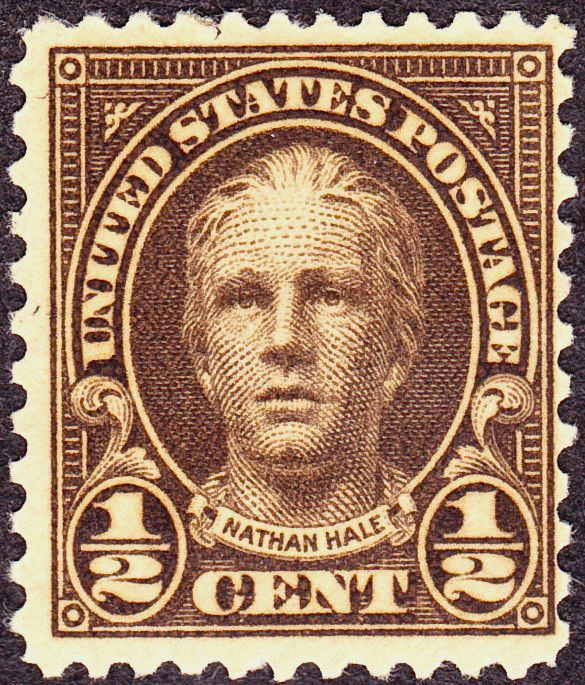

Early life and military service
Born in colonial New England, Hale studied at Yale and worked as a schoolteacher before military service. He joined the Patriot forces early in the conflict and served as an officer, earning a reputation for dedication and courage. His background as an educated teacher and familiarity with local communities were factors in his selection to undertake a reconnaissance assignment.
Mission, capture, and execution
In 1776 Hale volunteered to go behind enemy lines to obtain information about British troop movements and positions. Disguised as a civilian, he attempted to collect intelligence but was arrested in the city and tried by the occupying forces. Found guilty of spying, he was hanged; accounts of his final words circulated quickly and helped shape his image as a martyr to independence.
Legacy and commemoration
Hale’s sacrifice has been commemorated in many ways. He was officially designated the state hero of Connecticut in 1985 and appears in statues, school names, and memorials across the United States. His story is often cited in discussions of sacrifice, civic duty, and the human cost of war.
- State recognition: Honorary designations and ceremonies in Connecticut.
- Monuments: Statues and plaques at civic sites and educational institutions.
- Popular memory: Quotes and portraits used to exemplify patriotic resolve.
Notable facts and distinctions
Details of Hale’s mission and the exact phrasing of his reported last words have been discussed by historians, and some elements of his story are known mainly through secondhand accounts. Nevertheless, his name endures as shorthand for selfless service. For further contextual reading on intelligence in the Revolution and Hale’s role, see introductions to military-history collections and general biographies of early American patriots (on spying in the Revolution).
Hale’s life—teacher, soldier, volunteer for dangerous duty—and his death remind readers that individual stories can shape national memory. For regional histories and official recognitions related to his life, consult state and local commemorations of New York City events and Connecticut records about state honors.
References to Hale and his example appear in many educational and civic contexts; general overviews of the Revolutionary era provide the best background for understanding the circumstances that led him to volunteer for his perilous mission.
Author
AlegsaOnline.com Nathan Hale: spy, soldier, and symbol of American sacrifice Leandro Alegsa
URL: https://en.alegsaonline.com/art/127446