
Nasirul Mulk: Pakistani jurist and former caretaker prime minister
Nasirul Mulk (born 17 August 1950) is a Pakistani jurist who served as the 22nd Chief Justice of Pakistan and led a caretaker federal government to oversee the 2018 national elections.
Overview
Nasirul Mulk (born 17 August 1950) is a Pakistani jurist and public servant who has held senior positions in the country's judiciary and interim government. He is widely recognized for his judicial career culminating in service as the 22nd Chief Justice of Pakistan and for heading the caretaker federal administration that oversaw the 2018 general election. For an official biography and basic facts see biographical profile.
Image gallery
1 Image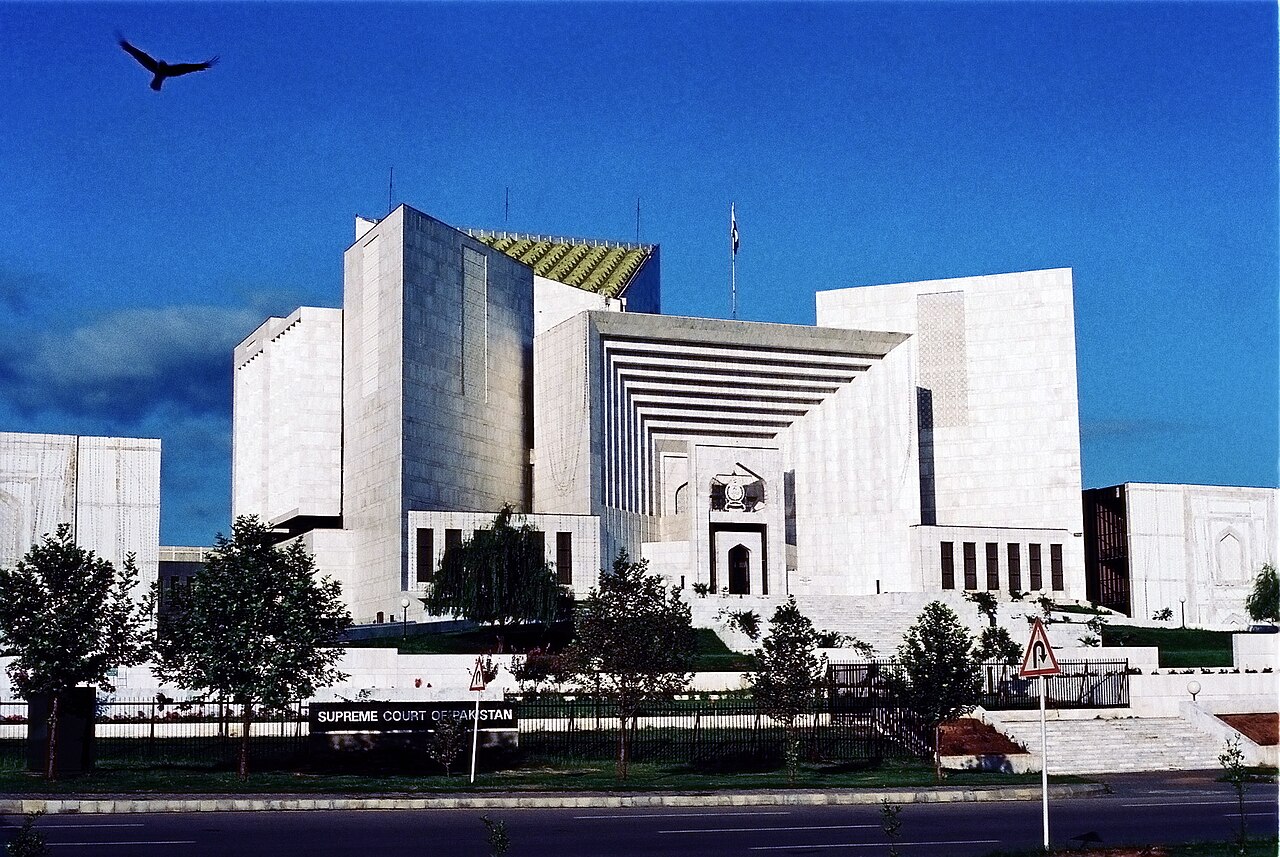
Early life and legal training
Mulk trained in law and entered the legal profession before joining the bench. Over the course of his career he worked within Pakistan's provincial and federal judicial systems, gaining experience as a judge and administrator. His background prepared him for senior judicial office and later for the neutral, non-partisan role required of a caretaker head of government.
Judicial career
He served at multiple levels of the judiciary, including an appointment to the Supreme Court of Pakistan and eventual elevation to Chief Justice. His tenure on the bench was marked by attention to procedure, constitutional issues, and the administration of courts. Records and summaries of key rulings and legal positions are available through judicial archives and commentary on judicial decisions and the Chief Justice office.
Caretaker premiership
In 2018 Mulk was named caretaker Prime Minister to lead a temporary, non-political cabinet tasked with managing the transition to elected government and ensuring that national elections were conducted impartially. The caretaker role traditionally focuses on continuity of day-to-day governance, neutrality, and creating conditions for a free election rather than on long-term policy. Overviews of the caretaker system and his term are summarized at caretaker government resources.
Roles, reputation and significance
- Key positions: senior judge, Supreme Court justice, 22nd Chief Justice, and caretaker Prime Minister.
- Reputation: generally regarded as a consensus-minded jurist who emphasized rule of law and institutional integrity.
- Significance: his appointment to lead a caretaker cabinet reflects the practice of selecting respected, non-partisan figures from the judiciary for interim stewardship during elections.
Mulk's career illustrates the interface between Pakistan's judicial institutions and its constitutional arrangements for non-partisan interim governance. For further reading consult the linked profiles and institutional summaries above.
Author
AlegsaOnline.com Nasirul Mulk: Pakistani jurist and former caretaker prime minister Leandro Alegsa
URL: https://en.alegsaonline.com/art/127412