
Naoto Kan: Japanese politician and prime minister during the 2011 crisis
Overview of Naoto Kan (born 1946), his career in Japanese politics, tenure as prime minister during the 2011 disasters, resignation, and later positions and impact.
Overview
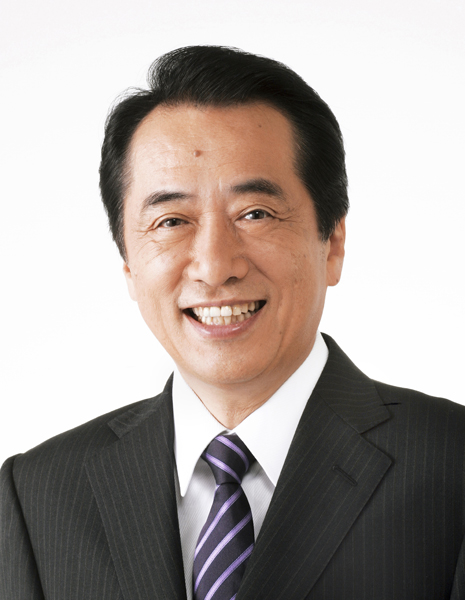
Naoto Kan (born 10 October 1946) is a Japanese public figure best known for serving as Prime Minister of Japan from June 2010 to August 2011. A long-serving member of Japan's legislature, he rose through the ranks of the opposition to lead the Democratic Party of Japan. Before entering politics full time he studied law and trained as a patent attorney. For basic biographical and political context see his profile as a politician and general background on the office of prime minister of Japan.
Image gallery
9 Images



Early life and background
Born in 1946 in the postwar period, Kan pursued legal studies and professional qualification as a patent attorney, a technical legal specialization that preceded his entry into national politics. His legal training informed his approach to policy and legislative work. For a concise summary of his party affiliation and political orientation, consult information on the Democratic Party of Japan.
Political career and government roles
Kan served many years in the Diet and occupied several significant roles within government and his party. He was known for outspoken positions on economic and administrative reform, and he frequently emphasized accountability and transparency. Biographical and career summaries are available through general resources on Japanese politicians and archival accounts of his tenure.
Premiership and the 2011 disasters
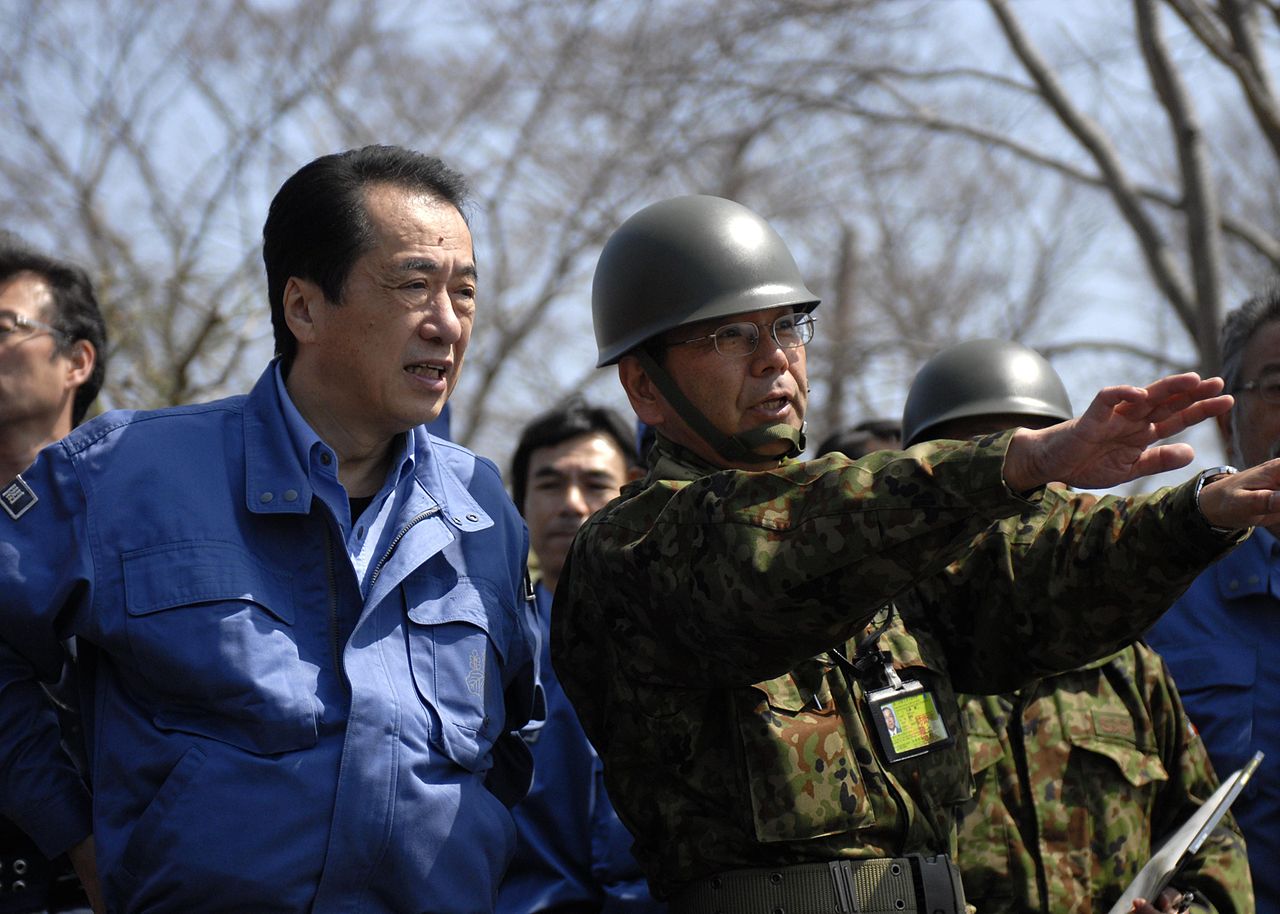
Kan became prime minister in June 2010. His term was dominated by the triple disaster of 11 March 2011: the Tōhoku earthquake, the ensuing tsunami, and the nuclear accident at the Fukushima Daiichi power plant. The scale and complexity of those events placed extraordinary demands on his cabinet and crisis-management systems. His leadership during and after the emergency drew both praise for perseverance and criticism for the government's handling of communication and response operations; this period is widely discussed in analyses of Japan's disaster preparedness and policy reform. For timelines and successor information see accounts of the 2011 earthquake and nuclear crisis and the page on Yoshihiko Noda, who followed him as prime minister.
Resignation and aftermath
Facing sustained public concern and political pressure over the crisis response, Kan announced his resignation in August 2011. He left office on 26 August 2011. After stepping down he remained an active voice on nuclear policy and public safety, advocating changes to energy strategy and stronger regulatory oversight. For summaries of his resignation and policy positions consult legal and policy analyses and broader political commentary at educational reference sources.
Legacy and notable facts
Naoto Kan's time as prime minister is most often evaluated through the lens of crisis leadership and the policy debates that followed. Key themes associated with his career include:
- advocacy for governmental transparency and administrative reform;
- engagement with energy policy and a later emphasis on reducing nuclear dependence;
- a career trajectory from professional law practice to national political leadership.
Readers seeking further perspectives can consult political histories and contemporary analyses that place his premiership in the context of Japan's 21st-century challenges and reforms. For additional resources and biographical materials, see related profiles and official records at political profiles and curated collections of policy commentary at research outlets.
Author
AlegsaOnline.com Naoto Kan: Japanese politician and prime minister during the 2011 crisis Leandro Alegsa
URL: https://en.alegsaonline.com/art/127401