
Mohamed Hussein Tantawi — Egyptian field marshal and interim head of state (1935–2021)
Egyptian military leader Mohamed Hussein Tantawi served as Minister of Defense (1991–2012) and led the Supreme Council of the Armed Forces during Egypt's 2011–2012 transition.
Overview
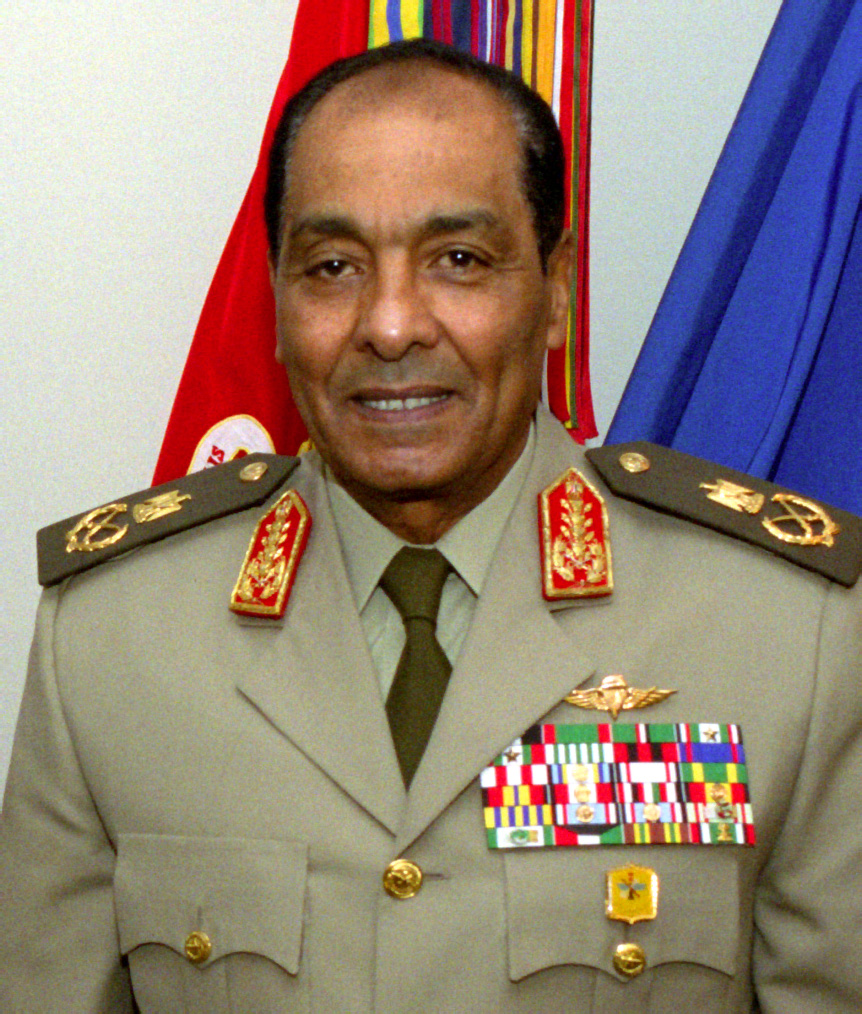
Mohamed Hussein Tantawi (Arabic: محمد حسين طنطاوي سليمان; 31 October 1935 – 21 September 2021) was a senior Egyptian military officer and politician. He reached the rank of field marshal and served for decades in the Egyptian armed services. His most visible role came after the 2011 uprising, when he led the Supreme Council of the Armed Forces and acted as the country's de facto head of state during the transition from Hosni Mubarak's administration to the election of a civilian president.
Image gallery
4 Images


Military career and official posts
Tantawi spent a long career in the Egyptian military, holding a succession of senior posts before being appointed Minister of Defense and Military Production. He occupied that ministerial position from 1991 until 2012, overseeing aspects of Egypt's defense policy, procurement and the armed services. He was also commonly described as commander-in-chief of the Egyptian Armed Forces during the later years of his service and presided over the Supreme Council of the Armed Forces (Egyptian Armed Forces) during moments of national crisis.
Role in the 2011 transition
Following mass protests that led to the resignation of President Hosni Mubarak on 11 February 2011, Tantawi and the military council he chaired assumed executive authority. As Chairman of the Supreme Council of the Armed Forces (SCAF), he oversaw the interim administration that managed security, public order and the preparation of elections. This period culminated in the presidential election and the inauguration of Mohamed Morsi as President of Egypt (President of Egypt) on 30 June 2012, when civilian rule formally resumed.
Controversies and public perception
Tantawi's leadership during the transition was polarizing. Supporters credit him and the military with preventing a power vacuum and protecting key state institutions during a turbulent interval. Critics argued that the military retained too much control, pointing to restrictions on political freedoms, the continued detention of some protesters, and instances where security forces clashed with civilians. International observers and local rights organizations debated the balance the military struck between maintaining order and respecting emerging democratic demands.
Retirement, later life and death
After the transfer of the presidency to Mohamed Morsi, the new administration moved to reconfigure senior military leadership. On 12 August 2012, President Morsi ordered Tantawi to retire from his posts, ending a long period of official duties. Tantawi largely withdrew from public life thereafter. He died in Cairo on 21 September 2021 at the age of 85; accounts of his death noted its significance for contemporary Egyptian civil–military history and prompted reflection on the transitional era of 2011–2012 (Cairo).
Key positions and dates
- Minister of Defense and Military Production: 1991–2012
- Chairman, Supreme Council of the Armed Forces (de facto head of state): 11 February 2011 – 30 June 2012
- Senior commander and field marshal in the Egyptian military
Legacy
Tantawi's tenure is remembered as a defining episode in Egypt's modern civil–military relations. His period in charge of the SCAF remains a reference point in discussions about military influence in politics, the challenges of transitional governance, and the complex trade-offs between stability and democratic reform. For readers seeking additional context and primary material on the 2011–2012 transition and Egypt's armed forces, see related resources and institutional accounts (Arabic name, military institutions, Mubarak era, post‑revolution leadership, presidential transition, events in Cairo).
Author
AlegsaOnline.com Mohamed Hussein Tantawi — Egyptian field marshal and interim head of state (1935–2021) Leandro Alegsa
URL: https://en.alegsaonline.com/art/127151