
Mike Wallace: American journalist and television correspondent
Overview of Myron 'Mike' Wallace (1918–2012), his career in television journalism, interviewing style, major work on 60 Minutes, and his influence on investigative broadcasting.
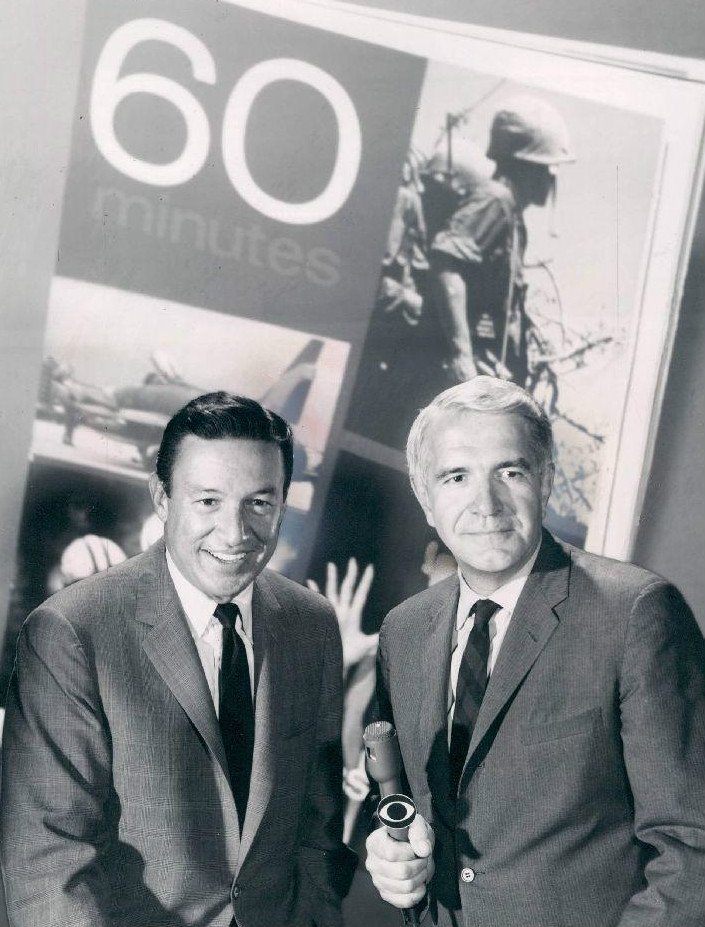
Myron Leon "Mike" Wallace (May 9, 1918 – April 7, 2012) was an American journalist, television correspondent, actor, game show host and public personality. Born in Brookline, Massachusetts, Wallace became widely known for his long association with the CBS news magazine 60 Minutes, and for a probing, persistent interview style that helped define broadcast investigative reporting.
Image gallery
8 Images


Career and reporting style
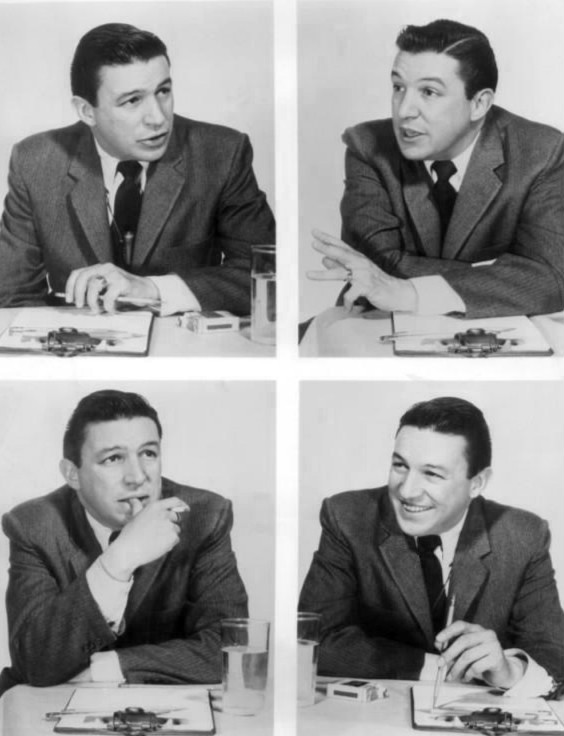
Wallace began his career in the era when radio and early television were closely linked, moving into national television as the medium matured. His work combined long-form interviews, investigative pieces and human-interest reports. He was noted for asking direct, sometimes confrontational questions, pressing interview subjects for clear answers and follow-up details. That approach attracted both praise for rigor and criticism from those who felt it could be adversarial.
Notable work and influence
As one of the most visible correspondents on 60 Minutes, Wallace contributed many in-depth interviews and investigations that reached large audiences. He helped popularize a form of television journalism that emphasized accountability and thorough reporting. Over the course of his career he received widespread recognition within the broadcast industry and won multiple awards for his work.
Roles, recognition and later years
Beyond reporting, Wallace also performed as an actor and served as a host on earlier television programs and panel shows. His versatility as a media figure—moving between reporting, hosting and occasional acting—made him a recognizable presence in American popular culture. In later years he scaled back regular reporting but remained associated with the journalistic community until his death in New Haven, Connecticut, in 2012.
Legacy and notable facts
Wallace is remembered for helping shape modern broadcast investigative journalism. His techniques influenced younger reporters and the expectations of television audiences for hard-hitting interviews. While opinions about his style vary, his role in mainstream television news is widely acknowledged: many journalism textbooks and retrospectives cite his contributions to the form and public conversation about accountability in public life.
Author
AlegsaOnline.com Mike Wallace: American journalist and television correspondent Leandro Alegsa
URL: https://en.alegsaonline.com/art/127030