
Michel de Montaigne
French Renaissance writer and statesman known for developing the personal essay; notable for skeptical humanism, conversational style, and lasting influence on modern thought.
Overview
Michel Eyquem de Montaigne (1533–1592) was a French nobleman, magistrate and writer whose experiments in prose invented and popularized the personal essay. He combined learned citations, anecdote and candid self-examination to explore topics ranging from education and friendship to doubt and mortality. For a concise introduction see biographical overview.
Image gallery
10 Images


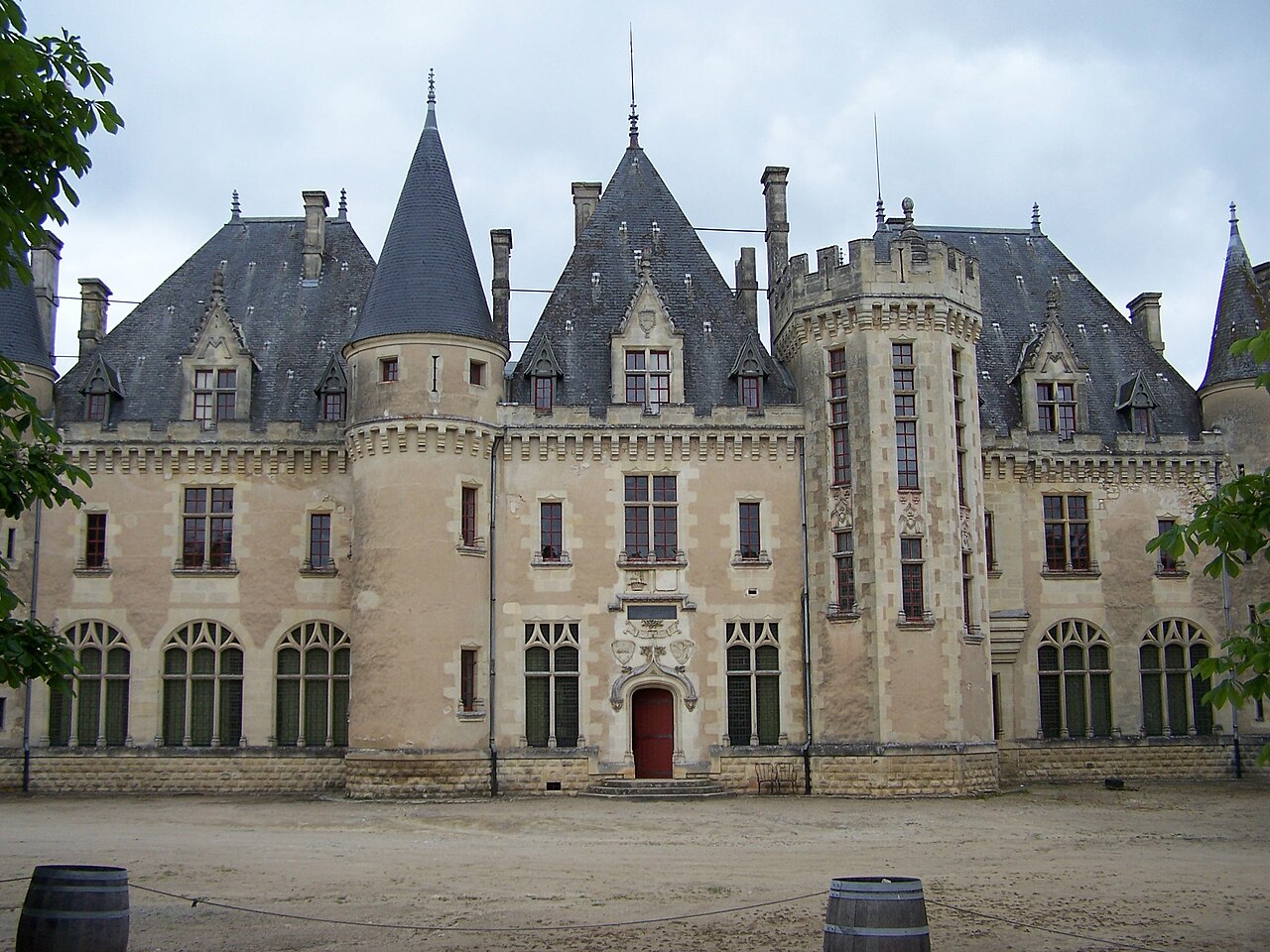


Life and public role
Born into a Bordeaux family of the provincial gentry, Montaigne received a classical education and later served in local and royal offices. He held judicial positions and briefly sat as mayor of Bordeaux. His official duties and social position during the late Valois period informed his perspective on politics and human conduct; further details are available in this career outline. Montaigne also acted as a courtier and diplomat at times, engaging with the intellectual and political currents of his age (court service).
Works and style
Montaigne’s chief work is the collection commonly called the Essays. Begun in the 1570s and revised throughout his life, these short, unevenly organized pieces read like conversations with the self and the reader. He drew on classical authors, travel anecdotes and contemporary events, and his prose is notable for its frankness, rhetorical play and use of digression. Editions and translations are widely annotated; see a representative entry on his writings.
Themes and approach
- Skepticism: Montaigne questioned received dogmas and emphasized the limits of certainty.
- Self-inquiry: He used personal memory and reflection as tools for philosophical investigation.
- Practical morality: Concerned less with abstract systems than with how to live.
These tendencies made his thought adaptable across intellectual traditions; scholars often point to his influence on later essayists and philosophers (essay tradition).
Historical context and influence
Writing in a France troubled by religious wars and political change, Montaigne offered a model of moderate judgment and intellectual tolerance. His mixture of classical learning and personal candor influenced early modern skepticism, Renaissance humanism and later writers in England and beyond. For historical background consult period studies and resources on the French Renaissance (contextual overview).
Legacy and notable facts
Montaigne is often credited with turning reflective prose into a distinct genre and with normalizing the expression of private thought in public writing. He remains widely read for the liveliness of his language and the humane patience of his judgments. For introductions, translations and academic treatments see further reading.
Author
AlegsaOnline.com Michel de Montaigne Leandro Alegsa
URL: https://en.alegsaonline.com/art/126879