
Melvin Laird: U.S. Congressman and Secretary of Defense
Melvin R. Laird (1922–2016) was a Republican congressman from Wisconsin and U.S. Secretary of Defense (1969–1973), known for shaping Vietnam-era policy, managing defense budgets, and later writing about public affairs.
Overview
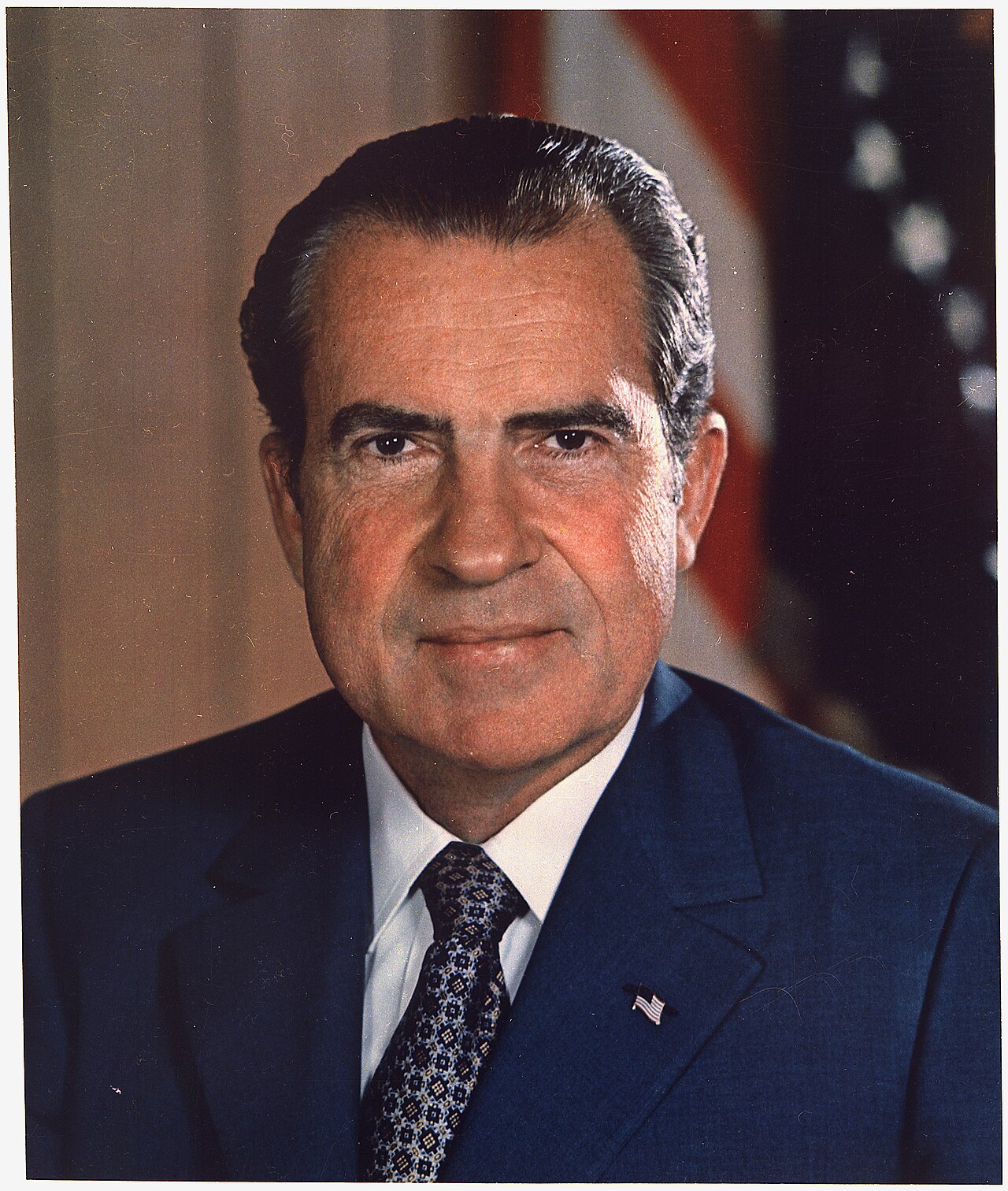
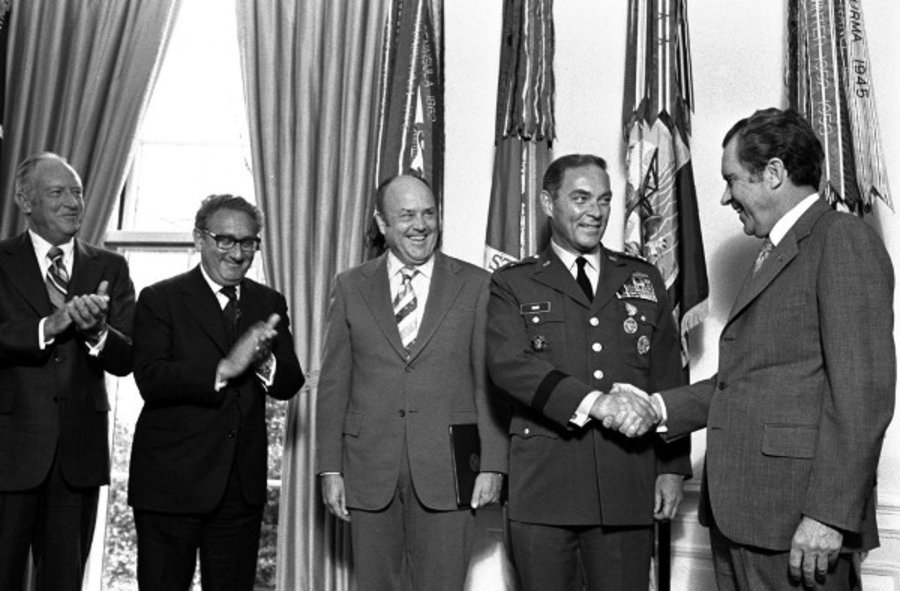
Melvin Robert Laird, often called "Bom," was an American politician and author who played a prominent role in mid-20th century U.S. defense and legislative affairs. A Republican from Wisconsin, he served in the United States House of Representatives and later as Secretary of Defense from 1969 to 1973 under President Richard Nixon. His tenure occurred during a turbulent phase of the Vietnam War and a period of reappraisal of America's military commitments abroad.
Image gallery
10 Images




Early life and political career
Laird was born in 1922 and served in the U.S. Navy during World War II. He entered politics after the war and won election to Congress, representing constituencies in Wisconsin for multiple terms. In the House he became known for his work on national security, appropriations, and conservative policy, building a reputation that paved the way to his Cabinet appointment.
Secretary of Defense: responsibilities and policy
As Secretary of Defense, Laird confronted the twin challenges of managing an ongoing war and controlling defense expenditures. He advocated reducing American ground combat involvement in Vietnam while strengthening South Vietnamese forces — an approach often summarized as "Vietnamization." At the same time, he sought tighter oversight of military spending and organizational reforms within the Department of Defense.
Key initiatives and controversies
- Vietnam policy: Promoted gradual withdrawal of U.S. combat troops and transfer of responsibility to allied forces.
- Budget management: Pushed for efficiency and accountability in defense procurement and operations.
- Management reforms: Worked to improve civil-military coordination and department-wide planning.
His tenure was not without controversy; decisions tied to the expansion of operations and bombing campaigns were debated domestically and internationally, and the period remains intensely scrutinized by historians and policymakers.
Later life, writing and legacy
After resigning in 1973, Laird remained active as a commentator, author, and advisor on public policy and defense issues. He wrote and spoke about the challenges of civil-military relations, presidential leadership, and lessons from the Vietnam era. His influence endures in discussions about force management, withdrawal strategies, and the fiscal oversight of defense programs.
Death and remembrance
Laird died on November 16, 2016, in Fort Myers, Florida, from complications of congestive heart failure at the age of 94. Obituaries and retrospectives highlighted his role in shaping U.S. policy during a consequential decade and his efforts to balance military objectives with political and fiscal realities.
For further reading, consult biographies, Congressional records, and contemporary accounts that place Laird's decisions in the wider context of Cold War policy and American political history. His career illustrates the tensions between wartime strategy, public opinion, and the administrative demands of managing a large defense establishment.
Author
AlegsaOnline.com Melvin Laird: U.S. Congressman and Secretary of Defense Leandro Alegsa
URL: https://en.alegsaonline.com/art/126625