
Maximilien de Robespierre: Revolutionary leader and architect of the Terror
French revolutionary leader (1758–1794). Lawyer from Arras, leading Jacobin, head of the Committee of Public Safety during the Reign of Terror, later overthrown and executed in Thermidor.
Maximilien François de Robespierre (1758–1794) was a prominent and controversial figure of the French Revolution. A lawyer by training, he rose from provincial origins in Arras to become a leading voice in the revolutionary assemblies and the most visible representative of the radical Jacobin movement. His name remains associated with both uncompromising republican virtue and the systematic use of revolutionary justice that marked the later years of the Revolution. For a general context of the upheaval in which he acted, see the French Revolution.
Image gallery
10 Images


Early life and political formation
Robespierre trained in law and entered public life as an advocate for social reform. He won local and national attention for eloquent speeches and for defending the rights of the poor and the legally vulnerable. Early in his public writings he expressed humanitarian views—on issues such as slavery and criminal punishment—and he developed a reputation for personal rectitude. Contemporaries and later historians often mention his sobriquet, the "Incorruptible," which reflected both admiration for his moral rhetoric and criticism of his inflexibility; the sobriquet and its connotations are discussed in many accounts of his life and thought, including material linked at moral and political debates.
Political positions and methods
Robespierre combined a firm commitment to republican government with a belief that virtue and public morality should guide politics. He supported widening political rights for active citizens and promoted measures to aid the poor. At the same time he came to endorse the use of extraordinary powers in defense of the Revolution, arguing that severe measures could be necessary to preserve republican institutions. Key positions associated with him include:
- Advocacy for democratic reforms and social welfare.
- Opposition to the old monarchical privileges and a sustained critique of counter-revolutionary activity.
- Early humanitarian stances—later complicated by his role in authorizing state violence when the Revolution was threatened.
He emerged as a leading member of the Jacobin Club and at times presided over its meetings; the club played a central role in organizing radical legislation and popular support, see Jacobin politics.
Committee of Public Safety and the Reign of Terror
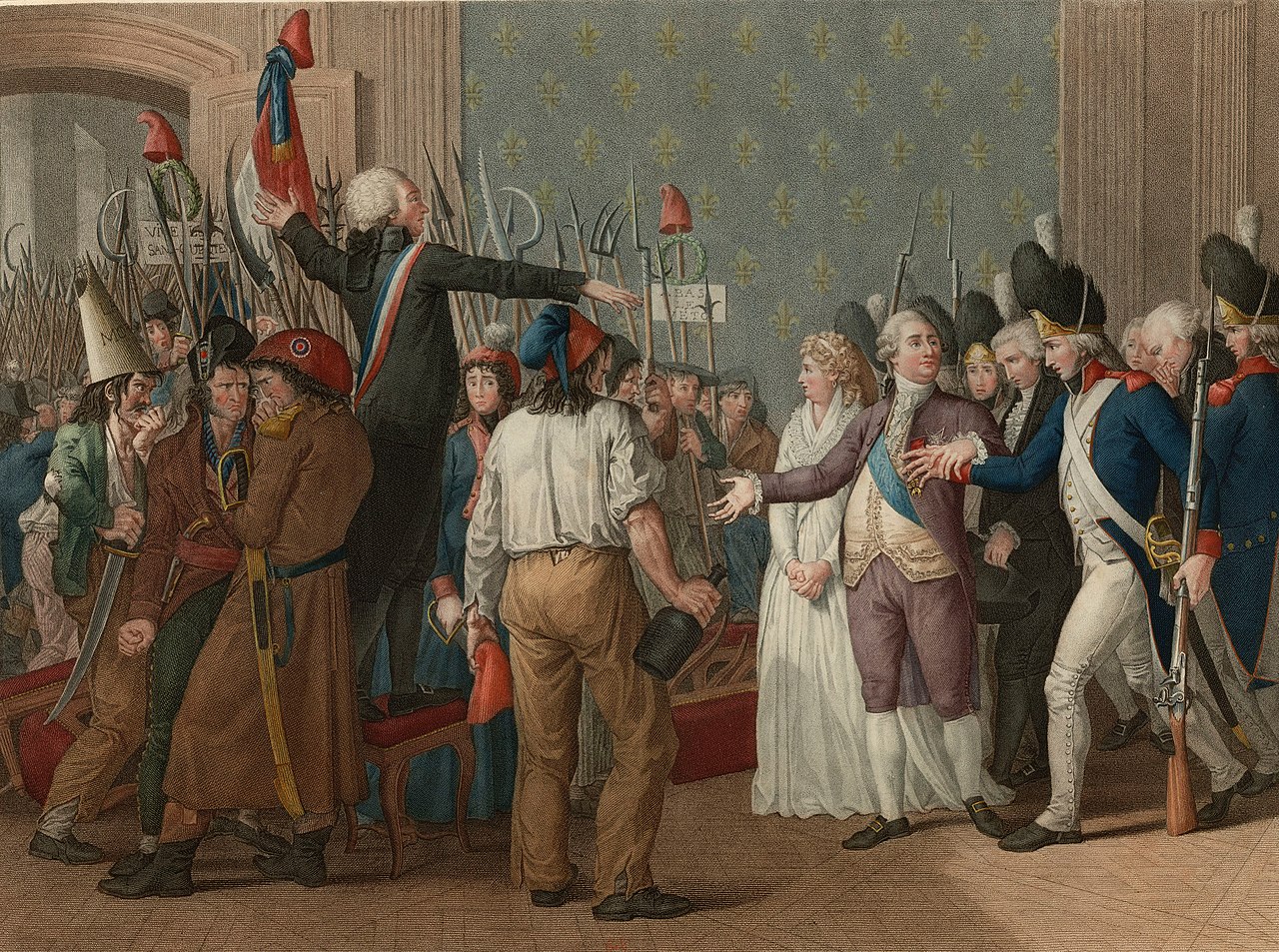
In 1793 Robespierre became a dominant figure on the Committee of Public Safety, the executive body charged with defending the Revolution. Under circumstances of war, internal revolt, and economic crisis, the Committee centralized authority and supervised emergency measures. The period in which revolutionary courts and emergency governance were used extensively is often called the Reign of Terror. One of the Revolution’s most dramatic legal episodes was the trial and execution of King Louis XVI after he was convicted of treason, a decision that transformed the Revolution and clarified its republican direction.
During this phase, thousands of people were condemned by revolutionary tribunals—reports from the time describe both devoted supporters of the revolutionary government and critics who later condemned the excesses. The guillotine became a frequent instrument of capital punishment and a potent symbol of the era; descriptions of its use appear in primary and secondary accounts (see guillotine).
Downfall, death and legacy
Opposition to the Committee’s methods grew within the Convention and among sections of Parisian opinion. In July 1794 (a month known in revolutionary chronology as Thermidor), Robespierre and several associates were arrested during what is called the Thermidorian Reaction. The Convention that had earlier empowered the Committee—called the National Convention—voted to remove him from power; Robespierre was executed on 28 July 1794. His fall marked a decisive turn away from the centralized emergency government that had dominated the preceding year.
Assessments of Robespierre remain divided. Some historians emphasize his commitment to civic virtue, social equality, and the creation of a republic; others focus on the authoritarian and violent dimensions of his leadership. He is widely studied as a figure who embodied the tensions between revolutionary ideals and the measures taken to defend them, and his career continues to be a subject of historical debate and public interest in histories of revolution and political ethics.
Author
AlegsaOnline.com Maximilien de Robespierre: Revolutionary leader and architect of the Terror Leandro Alegsa
URL: https://en.alegsaonline.com/art/126496