
Maurice Papon
Maurice Papon (1910–2007) was a French civil servant who held senior police and prefectural posts during and after WWII and was convicted in 1998 for involvement in deportations of Jews.
Overview
Maurice Papon was a senior French administrator whose career spanned the Vichy period, the Fourth Republic and the early Fifth Republic. He served in several prefectural and policing posts, including as head of the Paris police force, and later became the subject of a high‑profile criminal trial. In 1998 he was convicted of crimes against humanity for his role in arranging the deportation of Jews during the German occupation of France.
Image gallery
3 Images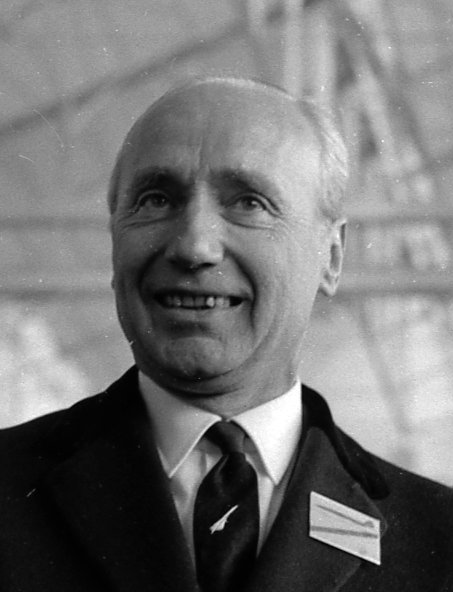


Career and wartime role
Papon began a long career in the French civil service in the 1930s and held regional administrative positions during World War II. While serving in the prefectural administration in southwestern France, he was involved in actions that led to the removal and deportation of Jews from that region to Nazi camps. Histories and court decisions state that these measures resulted in the deportation of more than 1,600 people to the camps during the Occupation of World War II. His wartime role was later central to criminal proceedings.
Postwar advancement and controversies
After the war Papon continued to serve in government, rising to prominent posts including leadership of the Paris police. During the 1950s and 1960s his name became associated with a range of controversial episodes, including aggressive policing of demonstrations and actions against Algerian nationalists. These episodes contributed to public unease about continuity between Vichy‑era administration and postwar institutions. For contemporary reporting on his police leadership see accounts of his Paris tenure.
Trial, conviction and legacy
Decades after the war, Papon was prosecuted. The long trial focused on his responsibility for the deportations from the region where he served in the 1940s; in 1998 a French court found him guilty of crimes against humanity. The conviction, which is discussed in many legal and historical sources, was widely viewed as a landmark in holding state officials accountable for participation in mass deportations. Summaries of the judgment and discussion of legal implications appear in analyses of crimes against humanity.
Notable facts and dates
- Born 1910; died in 2007 of a heart condition — reported as congestive heart failure.
- Convicted in 1998 for facilitating deportations to concentration camps.
- The convictions related to the deportation of more than 1,600 Jews from areas under his authority.
Papon's life and trial continue to be studied as part of broader examinations of collaboration, responsibility and the postwar administration of France. For further reading and primary sources consult archival collections and contemporary press reports linked in specialized bibliographies and legal reviews (police records, trial summaries).
Author
AlegsaOnline.com Maurice Papon Leandro Alegsa
URL: https://en.alegsaonline.com/art/126469