
Mateusz Morawiecki: Polish prime minister, banker and politician
Mateusz Morawiecki (born 20 June 1968) is a Polish politician, economist and former banker who has served as Prime Minister since December 2017. This entry outlines his background, career, policies and public reception.
Mateusz Jakub Morawiecki (born 20 June 1968) is a prominent Polish public figure, known as a politician, former senior manager and experienced economist. He has been the 17th Prime Minister of Poland since 11 December 2017. Before becoming head of government, he held senior cabinet posts, including Deputy Prime Minister and Minister of Finance and Minister of Development in the government of Beata Szydło.
Image gallery
10 Images





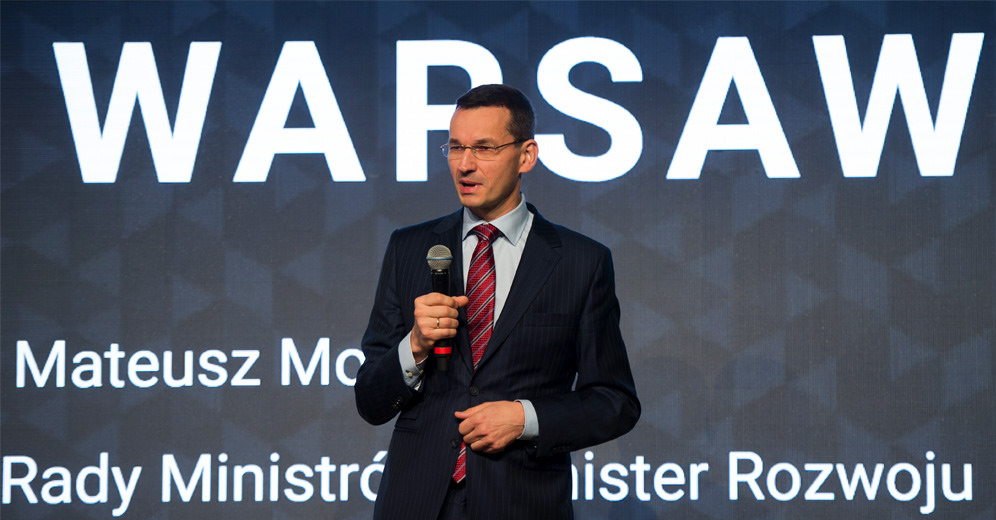
Early life and education
Born into a family with a history of opposition activity, Morawiecki is the son of Kornel Morawiecki, a noted anti-communist activist and later politician. He studied history and later undertook further study in law, economics and management, creating a multidisciplinary profile that he has cited in both business and political roles. His background blends academic training in the humanities with professional qualifications in economics and corporate management.
Banking and private-sector career
Morawiecki spent many years in the banking and financial sector, rising to senior executive positions and becoming widely known as a practical corporate leader. His private-sector career included leadership roles in major Polish financial institutions, where he focused on modernisation, consolidation and integration with international banking networks. This experience shaped his reputation as a technocrat with knowledge of markets and corporate governance.
Entry into government and rise to prime minister
He entered government in the mid-2010s and served in portfolios covering finance and economic development. On 8 December 2017 he was designated to succeed the previous prime minister and was sworn in on 11 December. In his early parliamentary statements he presented his appointment as a continuation of government priorities rather than a sharp break, emphasising economic stability and delivery of electoral commitments.
Policy priorities and notable actions
Morawiecki's administrations have prioritised economic growth, fiscal management, infrastructure investment and family-oriented social measures. His governments have pursued digital transformation initiatives, state support for selected industries and measures aimed at energy security. During the COVID-19 pandemic and the security crisis following Russia's invasion of Ukraine, his government implemented support packages for businesses and households and worked with EU and NATO partners on regional responses.
Domestic controversies and international relations
The government under Morawiecki has been involved in debates over judicial reform and the rule of law, matters that attracted scrutiny and criticism from some European institutions. At the same time, his foreign policy has emphasised close ties with NATO and a strong security posture in response to regional tensions. Observers note a mix of technocratic management and partisan political strategy in his approach.
Image and legacy
Supporters point to his financial and managerial experience as strengths in economic stewardship; critics have raised questions about particular policy decisions and aspects of governance. He is frequently described as having training in law (lawyer) and education in history (historian), reflecting the varied strands of his background. His tenure has influenced Poland's economic orientation and its role in European security debates.
- Principal roles: Prime Minister, Deputy Prime Minister, Minister of Finance and Minister of Development.
- Background: extensive private-sector experience in banking and management, multidisciplinary academic training.
- Themes: economic policy, social programmes, infrastructure, energy security and international cooperation.
For further reading and official documents consult government and academic sources linked in bibliographies and public records. Short biographies and dossiers on his career appear in many English-language summaries and Polish-language profiles, where readers can find detailed timelines and policy descriptions.
Author
AlegsaOnline.com Mateusz Morawiecki: Polish prime minister, banker and politician Leandro Alegsa
URL: https://en.alegsaonline.com/art/126381