
Mary Soames, Baroness Soames — life, work and legacy
An overview of Mary Soames (1922–2014), youngest child of Winston and Clementine Churchill: her family, public service, writings, honours and role in preserving the Churchill legacy.
Mary Soames, Baroness Soames (born Mary Spencer‑Churchill; 15 September 1922 – 31 May 2014) was the youngest child of Prime Minister Winston Churchill and his wife Clementine Churchill. Born at the family home, Chartwell in Kent, she became a public figure in her own right through service during wartime, a long marriage and a lifetime spent curating and recounting the family’s history.
Image gallery
8 Images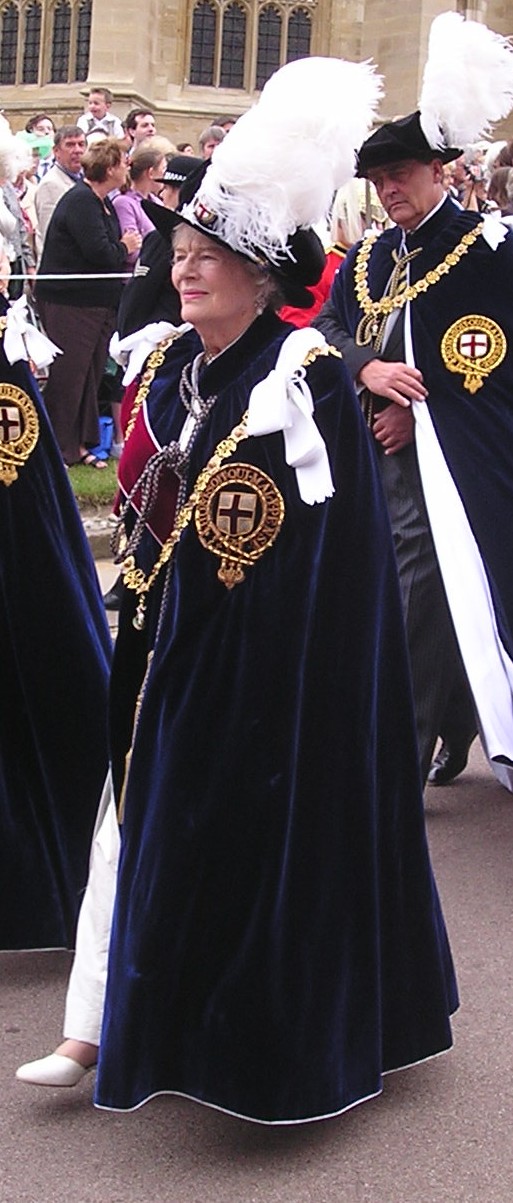


Early life and wartime service
Raised in an environment shaped by politics, writing and public duty, Soames came of age as Europe moved into the Second World War. She undertook wartime duties and later described those experiences in memoirs and essays. Her accounts, and the material she helped preserve, provide personal perspective on a household at the centre of 20th‑century British life.
Family, marriage and children
In 1947 she married Christopher Soames, a British Conservative politician and diplomat who later took a seat in the House of Lords as Baron Soames. The couple had five children: Nicholas, Emma, Jeremy, Charlotte and Rupert. Mary Soames combined family responsibilities with public roles, and her marriage made her part of a political household distinct from, but connected to, her birth family.
Writings, preservation and public role
Soames wrote memoirs and edited or contributed to publications about her parents and their circle, and she played an active part in preserving family papers, letters and Chartwell for historical and public use. Her work as a custodian of material helped scholars and the public understand private aspects of a very public family. She also took part in public ceremonies and events relating to her father’s memory.
Honours and distinctions
- She was appointed Dame Commander of the Order of the British Empire (DBE).
- She held other recognitions for her literary and public contributions and was associated with cultural and historical organisations.
Death and legacy
Baroness Soames died in London on 31 May 2014 after a short illness, aged 91. As the last surviving child of Winston and Clementine Churchill at the time of her death, she left a legacy as a recorder and guardian of family history, and as a figure who bridged private memory and public commemoration. Her life is frequently cited in studies of the Churchill family and in accounts of Britain’s wartime generation.
Author
AlegsaOnline.com Mary Soames, Baroness Soames — life, work and legacy Leandro Alegsa
URL: https://en.alegsaonline.com/art/126342