
Marcel Paquet (1947–2014) — Belgian philosopher of ontology and aesthetics
Marcel Paquet, Belgian philosopher (1947–2014), wrote on ontology, aesthetics and political thought. Born in Charleroi, he published essays and lectured across Europe on art, subjectivity and modernity.
Marcel Paquet was a noted Belgian philosopher whose work explored questions of being, art and political life. Writing in the continental tradition, he addressed how ontology and aesthetics intersect with contemporary social concerns. His publications and lectures engaged readers and audiences across Europe and contributed to debates about modernity and the role of art.
Image gallery
2 Images
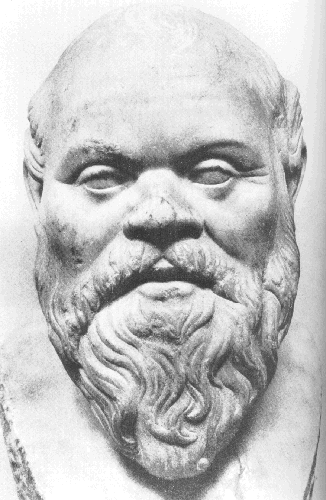
Main themes and approach
Paquet concentrated on several recurring themes. He examined the nature of existence, the conditions of perception and the status of artistic creation. Rather than treating these topics in isolation, he emphasized their mutual influence: how philosophical accounts of being inform aesthetic judgment and how art can reshape political imagination. His inquiries into ontology sought to clarify how thought and material reality relate.
His style combined rigorous argument with attention to cultural examples. He argued for the importance of concrete artistic practice in philosophical reflection and often used painting and visual arts as case studies. At the same time he engaged questions of collective life and governance, contributing to discussions labeled broadly as Belgian political philosophy.
Life and career
Paquet was born on 21 February 1947 in Charleroi, Belgium. Over several decades he wrote essays and books, participated in public debates and gave lectures and seminars in academic and cultural settings. His intellectual presence was felt beyond Belgium through translations, conferences and collaborations with artists and thinkers.
He died on 22 November 2014 in Poznań, Poland, at the age of 67. After his death, scholars and cultural institutions continued to assess his influence on contemporary continental philosophy and on the intersection between art and thought.
Legacy and significance
- Known for bridging ontology and aesthetics, bringing philosophical tools to bear on artistic practice.
- Contributed to public intellectual life in Belgium and Europe through essays and lectures.
- Regarded as part of late 20th-century continental debates about subjectivity, modernity and the role of culture.
Paquet's work remains a reference for those interested in how philosophical reflection can remain attentive to sensory experience and the transformative power of art, while still addressing civic and political questions.
Author
AlegsaOnline.com Marcel Paquet (1947–2014) — Belgian philosopher of ontology and aesthetics Leandro Alegsa
URL: https://en.alegsaonline.com/art/125837