
Marcello Mastroianni: Italian film actor and symbol of postwar cinema
Italian actor Marcello Mastroianni (1924–1996) was a leading figure of 20th-century cinema, admired for his charm, versatility and collaborations with directors such as Federico Fellini and Vittorio De Sica.
Overview
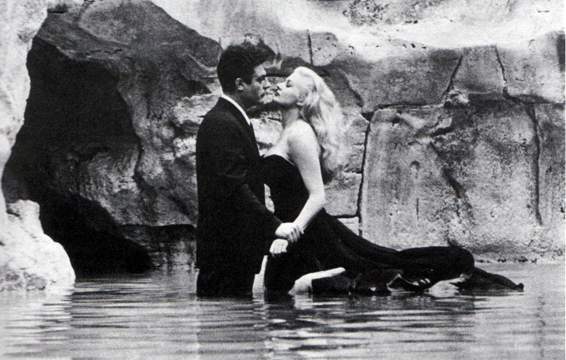
Marcello Mastroianni was an Italian film actor whose career spanned more than four decades. Born in Fontana Liri in 1924, he became one of the most recognizable faces of postwar European cinema, often embodying a mix of elegance, melancholy and ironic distance. He is widely remembered for his central role as Marcello Rubini in La Dolce Vita and for his turn as Ferdinando in Divorce Italian Style.
Image gallery
4 Images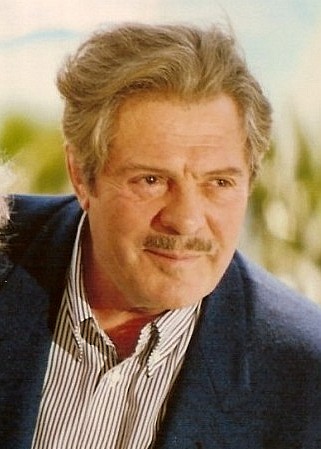


Career and acting style
Mastroianni trained in theatre and worked in radio and the Italian film industry before rising to international prominence. Directors praised his naturalism, dry wit and capacity to convey complex inner lives with minimal gesture. He was equally at home in comedic parts and in introspective, modernist films; critics often noted his skill in playing an urbane everyman who conceals vulnerability beneath a composed exterior. He developed productive collaborations with auteurs and was a fixture of Italian art-house cinema and mainstream popular films alike. See an overview of his cinematic context at related resources.
Selected films and collaborations
- La Dolce Vita — Federico Fellini: the role that made him an international emblem of modern Rome.
- 8½ — another key Fellini collaboration showcasing a more introspective, self-referential side.
- Divorce Italian Style — a celebrated comedy that highlighted his comic timing and social satire.
- Several films opposite Sophia Loren and work with directors such as Vittorio De Sica and Ettore Scola, which broadened his range and popular appeal.
Legacy and final years
Mastroianni left a lasting influence on both Italian and international cinema. He is often cited as an icon of a particular era of Italian filmmaking and remembered for his collaborations with leading directors and performers. Later in life he received critical honors and festival recognition and continued to act until the 1990s. He died in Paris in 1996 from pancreatic cancer, leaving a filmography that remains essential to studies of European film history.
Notable facts
- Regular collaborator of Federico Fellini and frequent co-star with Sophia Loren.
- Praised for a screen persona that combined charisma, subtle irony and emotional depth.
- Often described as a symbol of postwar Italian cinema and its international reach.
Author
AlegsaOnline.com Marcello Mastroianni: Italian film actor and symbol of postwar cinema Leandro Alegsa
URL: https://en.alegsaonline.com/art/125817