
Tony Abbott
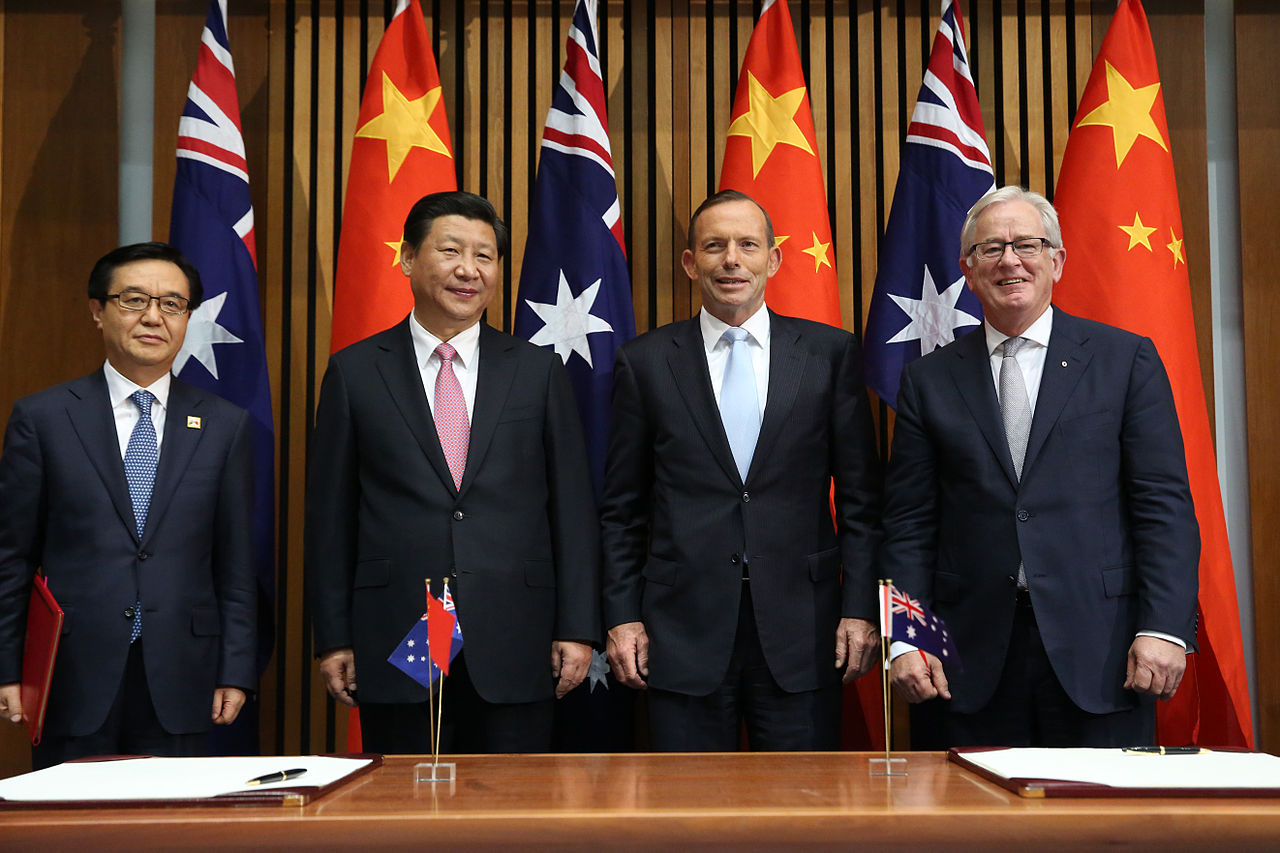
Tony Abbott (born 1957) is an Australian politician who led the Liberal Party and served as Prime Minister from 2013 to 2015. His term emphasized conservative economic policy, border protection and social conservatism.
Overview
Tony Abbott (born 4 November 1957) is a prominent Australian political figure best known for leading the Liberal Party and serving as Prime Minister of Australia from 2013 to 2015. He represented a suburban Sydney electorate in the House of Representatives until he lost his seat at the 2019 federal election. His public profile combines a strongly conservative outlook on social issues with a focus on economic management and national security.
Image gallery
10 Images




Early life and political rise
Abbott's early years and professional background gave him experience in public debate and politics before he entered parliament. He rose through Liberal Party ranks and became party leader in December 2009 after an internal leadership contest. Over the next few years he positioned himself as the party’s prospective prime minister, campaigning on economic competence and a reversal of several policies enacted by the previous government.
Prime ministership (2013–2015)
Following the 2013 election Abbott led a coalition government and took office with a program that emphasized budget repair, smaller government intervention in some areas, and tougher border protection measures. His administration moved quickly on a number of priorities, including repealing a carbon pricing mechanism and strengthening immigration controls. His style of leadership and a number of policy decisions provoked both support and sustained criticism from opponents and sections of the public.
Policies and public positions
- Economic policy: advocated fiscal discipline, deficit reduction and business-friendly measures.
- Environment and climate: opposed carbon pricing and favoured alternative approaches to emissions and energy policy.
- Immigration and borders: supported firm asylum seeker policies and measures intended to deter maritime people-smuggling.
- Social issues: known for socially conservative positions on topics such as marriage and family policy.
Leadership change, later career and legacy
Internal dissatisfaction within his party led to a leadership challenge and a change of Liberal leadership in September 2015, when Malcolm Turnbull replaced him as party leader and prime minister. After leaving the prime ministership Abbott continued to contribute to public debate and remained an influential figure within conservative circles. He ultimately lost his seat in the House of Representatives at the 2019 election, marking a significant turn in his parliamentary career.
Abbott remains a polarising but consequential figure in recent Australian politics: supporters credit him with decisive action on economic and border issues, while critics point to divisive rhetoric and internal party turmoil during his tenure. For further official biographies and records see prime ministerial and parliamentary resources via links such as official government pages.
Questions and answers
Q: Who is Tony Abbott?
A: Tony Abbott is an Australian politician who was the Prime Minister of Australia from 2013-2015.
Q: When did Abbott become the leader of the Liberal Party?
A: Abbott became the leader of the Liberal Party on December 1st, 2009.
Q: Who did Abbott take over from as the leader of the Liberal Party?
A: Abbott took over from Malcolm Turnbull as the leader of the Liberal Party.
Q: How long was Abbott in office as Prime Minister?
A: Abbott served as Prime Minister for just under 2 years, from September 2013 until September 2015.
Q: Who succeeded Abbott as the leader of the Liberal Party and Prime Minister?
A: Turnbull succeeded Abbott as the leader of the Liberal Party and Prime Minister on September 15th, 2015.
Q: Did Abbott win or lose his parliament seat in the 2019 election?
A: Abbott lost his parliament seat in the 2019 election.
Q: What is Abbott's full name?
A: Abbott's full name is Anthony John "Tony" Abbott.
Author
AlegsaOnline.com Tony Abbott Leandro Alegsa
URL: https://en.alegsaonline.com/art/132165