
Bobo-Dioulasso: Overview, History, Culture, and Urban Profile
Bobo-Dioulasso is Burkina Faso’s second largest city and a regional cultural and economic center. This article covers its overview, history, population, economy, landmarks, and transport links.
Overview
Bobo-Dioulasso is the principal city of the Hauts-Bassins region in southwestern Burkina Faso and the country’s second largest urban area after Ouagadougou. Often called simply "Bobo," it functions as an important commercial hub for the surrounding agricultural plain and a focal point for regional culture. A national census in 2006 recorded a population of about 435,543 people, and more recent estimates indicate continued growth tied to trade and internal migration.
Image gallery
10 Images




History and origins
The city’s name reflects the presence of multiple ethnic communities, principally the Bobo and various Dioula groups. Its growth accelerated during the late 19th and early 20th centuries when regional trade networks expanded and colonial infrastructure—roads and rail—began connecting inland towns to coastal ports. Bobo-Dioulasso developed as a market town and administrative center under French colonial rule and later became a key regional capital after Burkina Faso gained independence.
Geography and population
Located in a wooded savanna zone, the city sits on trade routes that link agricultural areas with larger national and international markets. The climate is tropical with distinct wet and dry seasons, which influences cropping patterns in nearby rural districts. The population is ethnically diverse and multilingual, with social life shaped by a mix of traditional practices and urban modernity. For data and municipal information see the city profile: city profile and recent demographic summaries: demographic data.
Economy, culture and daily life
Bobo-Dioulasso’s economy combines trade, services, artisanal crafts and agro-processing. Markets sell cotton, cereals and local crafts; small industry and informal commerce employ many residents. The city is widely recognised for its vibrant cultural scene, including popular music, dance, and artisan workshops in textiles and carving. Cultural events and music venues attract visitors from across the country and the region. For cultural programming and event listings consult local resources: cultural events.
Landmarks and transport
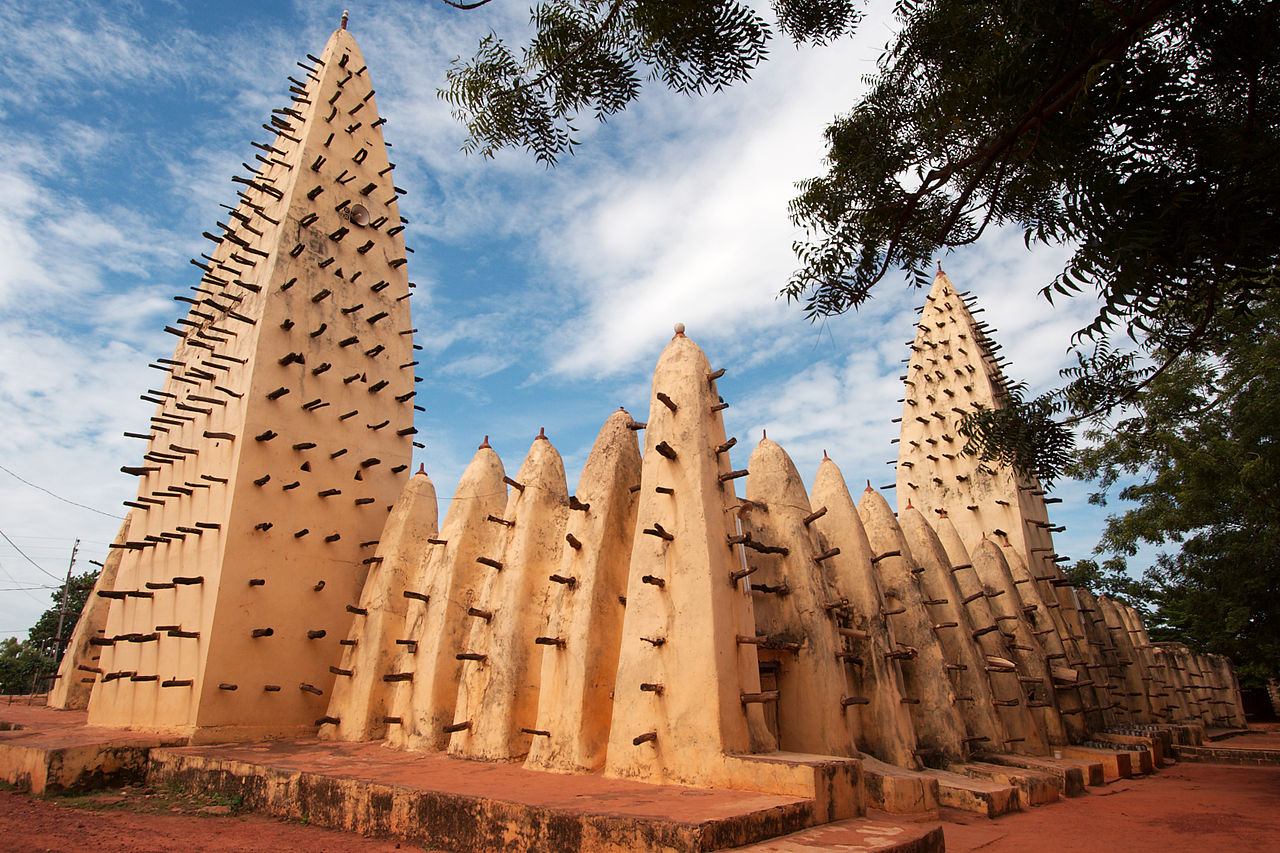
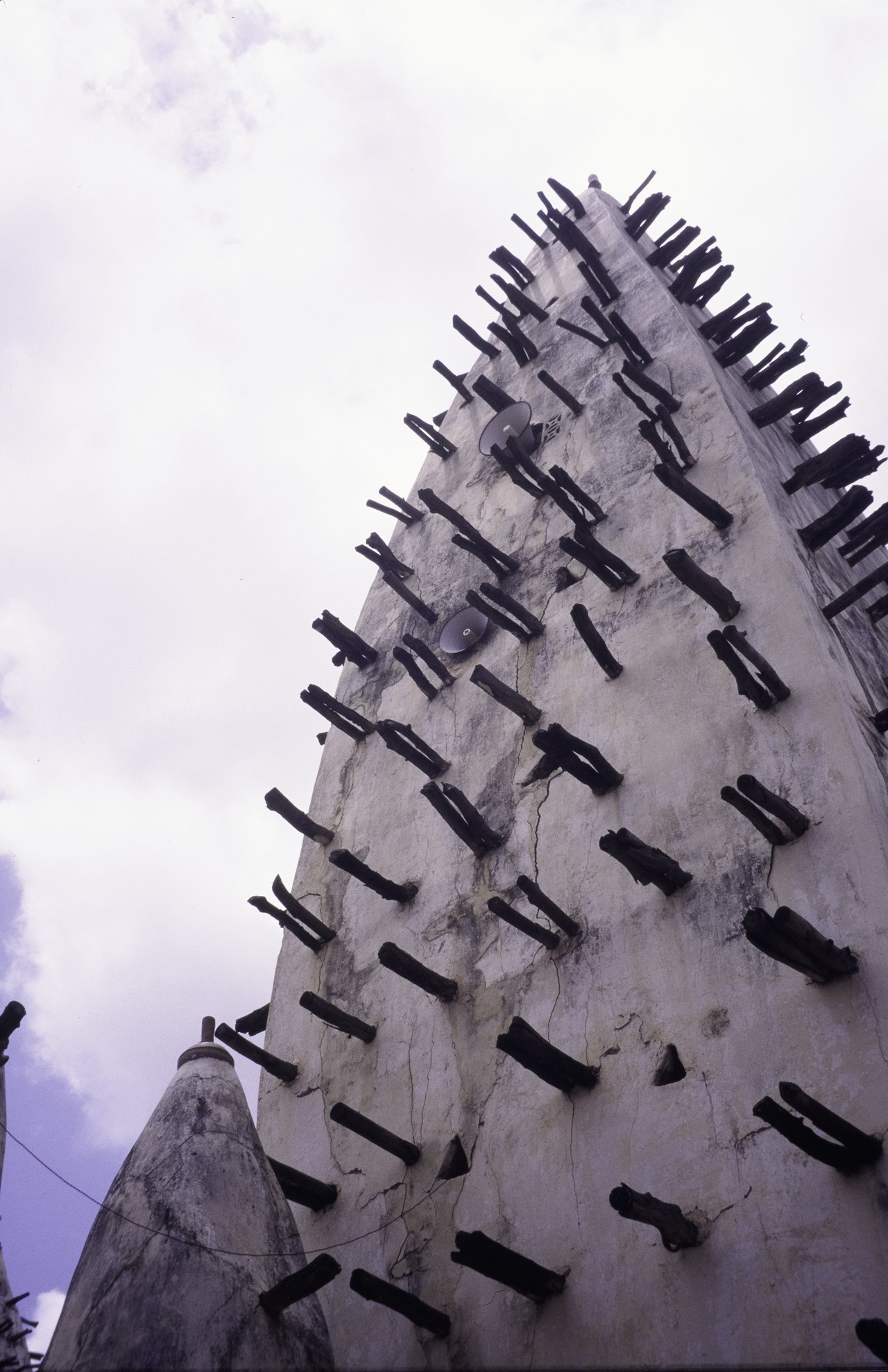
Key landmarks include a historic mosque notable for its Sudano-Sahelian architectural features, lively central markets, and neighborhoods that display a mix of colonial-era buildings and contemporary construction. The city has long served as a transport node, linked by road and by rail lines established during the colonial period that connect inland Burkina Faso with coastal ports. Travelers and researchers can find practical transport and visitor information here: visitor and transport info.
Notable distinctions
- Second largest city in Burkina Faso and an administrative capital of its region.
- Known as a center for music and cultural life in the country.
- Historic trade and transport hub with a large central market and artisanal economy.
Taken together, these features make Bobo-Dioulasso a city of national significance: economically dynamic, culturally rich, and historically shaped by its role at the crossroads of regional trade and ethnic communities.
Related articles
Author
AlegsaOnline.com Bobo-Dioulasso: Overview, History, Culture, and Urban Profile Leandro Alegsa
URL: https://en.alegsaonline.com/art/12571
Sources
- insd.bf : "Burkina Faso Census 2006"
- commons.wikimedia.org : Bobo-Dioulasso