
Mahmud I — Ottoman Sultan (1730–1754)
Mahmud I (1696–1754) was Sultan of the Ottoman Empire from 1730 to 1754, who restored stability after the 1730 rebellion, led the state through wars and diplomacy in the 1730s–1740s, and governed by delegation to powerful viziers.
Overview
Mahmud I (born 2 August 1696, died 13 December 1754) served as Sultan of the Ottoman realm from 1730 until his death in 1754. He was a son of Mustafa II and came to the throne at the age of 34 after the uprising that ended the previous reign. His mother, Emetullah Sultan (born Evemia), was of Greek origin. Mahmud’s rule followed a turbulent period and he spent much of his reign rebuilding central authority and managing foreign conflicts.
Image gallery
3 Images

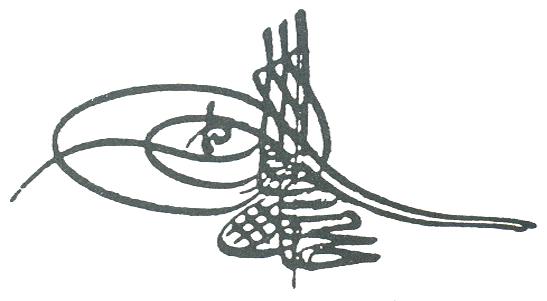
Accession and early rule
Mahmud I became sultan in the aftermath of the Patrona Halil rebellion, which had toppled Ahmed III and concluded the so‑called Tulip Era. His accession marked a return to more conservative court politics. Rather than rule directly in all matters, Mahmud relied heavily on his grand viziers and senior ministers to administer the empire’s affairs, a common practice for Ottoman sultans of the period.
Foreign affairs and military conflicts
During his reign the empire faced military pressure on several fronts. Ottoman forces engaged in campaigns and diplomatic negotiations with Habsburg Austria and with Persian forces in the east. The 1730s saw fighting and subsequent settlements that altered territorial control in the Balkans and the Caucasus region. A major diplomatic outcome of these conflicts was the 1739 settlement with the Habsburgs that recovered key territories lost earlier in the century and eased pressure on the empire’s European frontier.
Administration, culture, and legacy
Mahmud’s government emphasized administrative competence and fiscal recovery after years of instability. He patronized religious foundations and palace institutions while delegating military and fiscal reforms to trusted officials. Culturally, his reign maintained continuities with Ottoman court life and artistic patronage, though it marked the end of the extravagant Tulip fashions associated with the previous era.
Notable facts
- Mahmud succeeded following a popular uprising and reestablished relative order within the capital.
- He presided over significant diplomatic settlements in the 1730s that reshaped parts of the Balkans.
- Mahmud was the elder brother of Osman III, who succeeded him in 1754.
Further reading
For names and versions of his Arabic title see Mahmud’s Arabic name. For background on the Ottoman office he held, consult material on the Sultan, and for broader context on the state he ruled see sources on the Ottoman Empire.
Related articles
Author
AlegsaOnline.com Mahmud I — Ottoman Sultan (1730–1754) Leandro Alegsa
URL: https://en.alegsaonline.com/art/125698