
Mahinda Rajapaksa
Sri Lankan politician who served as President (2005–2015) and multiple times as Prime Minister; a dominant figure in Sri Lankan politics associated with the end of the civil war and later political controversies.
Overview
Mahinda Rajapaksa (born 18 November 1945) is a prominent Sri Lankan politician and member of the Rajapaksa family. He served as the country’s sixth President from 19 November 2005 to 9 January 2015 and later held the office of Prime Minister in several non-consecutive terms, most recently from 21 November 2019 until his resignation on 9 May 2022. He has been a long-serving parliamentarian and a central figure in Sri Lanka’s political life for decades.
Image gallery
8 Images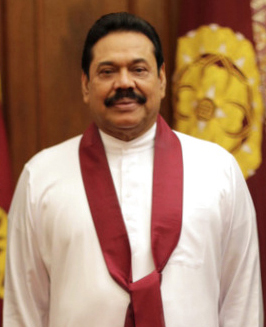


Political career and presidency
Rajapaksa’s presidency is best remembered for its role in the final military defeat of the Liberation Tigers of Tamil Eelam (LTTE) in 2009, which ended a nearly three-decade separatist war. His administration emphasized strong executive control, expanded infrastructure projects, and assertive national security policies. He remained influential in national politics after leaving the presidency, including a disputed brief claim to the prime ministership in late 2018 and a return to the post in 2019 under a government led by a family member.
Major initiatives and projects
- Large-scale infrastructure and development projects across the island, often financed with foreign loans.
- Military reconstruction and post-war resettlement efforts following the 2009 end of hostilities.
- Strengthening of executive institutions and centralised decision-making in government.
Controversies and criticism
Rajapaksa’s tenure drew criticism and scrutiny on several fronts. Human rights groups and some international observers raised concerns about conduct during the closing stages of the civil war and about accountability for alleged abuses. His government was also accused of nepotism as multiple family members held senior posts. Large infrastructure deals, including projects with foreign financing, prompted debate over debt, transparency and long-term economic effects.
2018–2022 developments and resignation
In October 2018 Rajapaksa was at the centre of a constitutionally disputed episode when he was briefly sworn in as prime minister; the episode was resolved in December of that year amid legal and parliamentary challenges. He returned as prime minister in November 2019. Amid an acute economic crisis, widespread public protests and a parliamentary no-confidence motion by opposition leaders, Rajapaksa and his cabinet faced intense pressure. He resigned on 9 May 2022 following mass demonstrations aimed at the government. His later years in office highlighted deep political divisions and the economic vulnerabilities facing Sri Lanka.
Legacy and significance
Mahinda Rajapaksa remains a polarising but undeniably influential figure in modern Sri Lankan history: credited by supporters for ending the civil war and expanding infrastructure, while criticised by opponents for centralising power and for governance issues linked to transparency and human rights. Discussions about his legacy continue to shape Sri Lanka’s political debates and reform efforts.
Related articles
Author
AlegsaOnline.com Mahinda Rajapaksa Leandro Alegsa
URL: https://en.alegsaonline.com/art/125692