
Mário Soares: Portuguese statesman who shaped modern democracy
Mário Soares (1924–2017) was a leading Portuguese politician, co‑founder of the Socialist Party, two‑time prime minister and president (1986–1996) who helped guide Portugal through democratization and European integration.
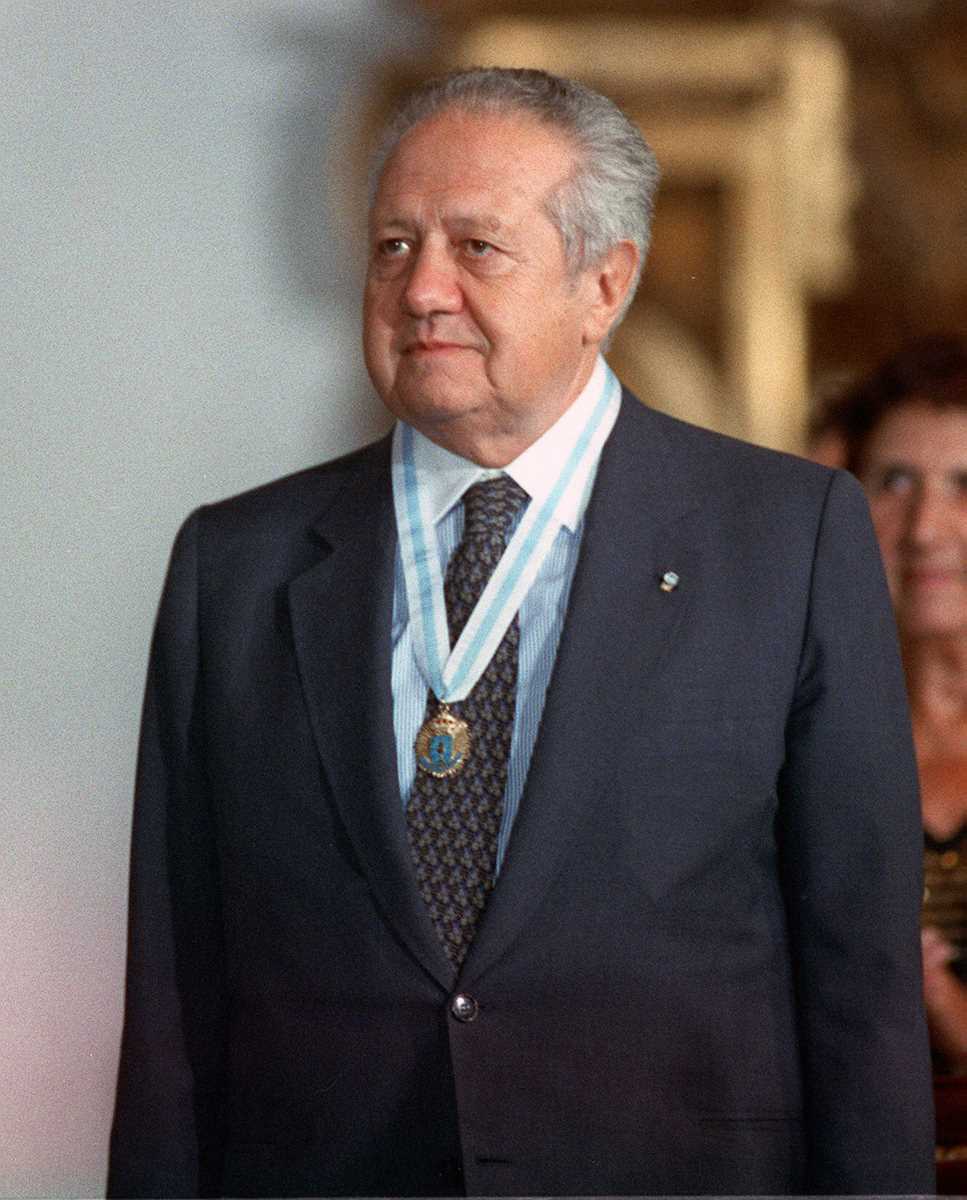
Mário Soares (7 December 1924 – 7 January 2017) was a prominent Portuguese statesman and opposition leader who played a central role in Portugal's transition from authoritarian rule to parliamentary democracy. He served twice as Prime Minister and for two terms as President of Portugal. His long public career is associated with advocacy for pluralism, European integration and the consolidation of democratic institutions.
Image gallery
10 Images



Early life and opposition to Estado Novo
Trained as a lawyer, Soares became an active opponent of the Estado Novo regime that governed Portugal for decades in the mid‑20th century. He was repeatedly targeted for his political activities, and spent periods in detention and in exile. During those years he helped organize political resistance abroad and at home, becoming one of the founders of the Socialist Party (Partido Socialista), which became a major force in Portuguese politics after 1974.
Role after the Carnation Revolution
The 1974 Carnation Revolution ended authoritarian rule and opened a rapid process of political change. Soares returned to a central role in the new democratic system, participating in government and parliamentary life. He led governments in the 1970s and again in the 1980s, confronting the challenges of economic recovery, political fragmentation and the task of building stable democratic practices.
Presidency and European integration
Elected president in 1986, Soares presided over a period when Portugal moved decisively toward closer ties with Western Europe. His presidency coincided with Portugal's entry into the European Economic Community, and he championed modernization policies and Portugal's role within European institutions. As a public figure he combined a strong command of political debate with an emphasis on national reconciliation.
Legacy and assessment
Soares is widely regarded as one of the architects of contemporary Portuguese democracy. Supporters credit him with shepherding the country through a delicate democratic transition and securing a European future; critics sometimes pointed to his combative style or political alliances. After leaving the presidency he remained an influential voice in public affairs for many years.
Key facts
- Political career: founder of a major social‑democratic party and holder of top executive offices.
- Historical role: advocate of decolonization and democratic governance after authoritarian rule.
- European focus: supporter of Portugal's integration into European institutions.
For researchers and readers, Soares's life illuminates Portugal's 20th‑century shift from dictatorship to a pluralist, European‑oriented republic and remains a reference point in discussions about political transition and national identity.
Related articles
Author
AlegsaOnline.com Mário Soares: Portuguese statesman who shaped modern democracy Leandro Alegsa
URL: https://en.alegsaonline.com/art/125606