
Luigi Russolo: Futurist Painter and Pioneer of Noise Music
Italian Futurist painter and composer Luigi Russolo promoted noise as musical material, built 'intonarumori' noise-machines, wrote The Art of Noises, and influenced 20th-century experimental music.
Overview
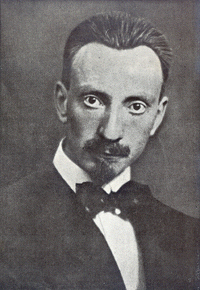
Luigi Russolo was an Italian artist associated with the Futurist movement who combined visual art and experimental sound practice. Best known for arguing that modern life’s sounds should be accepted as musical material, he promoted a new aesthetics of noise and built mechanical sound devices to realize it. For concise biographical information see biographical summaries and general studies of Futurism at relevant resources.
Image gallery
10 Images


Artistic practice and ideas
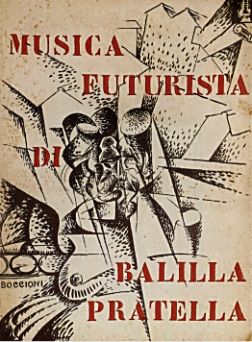
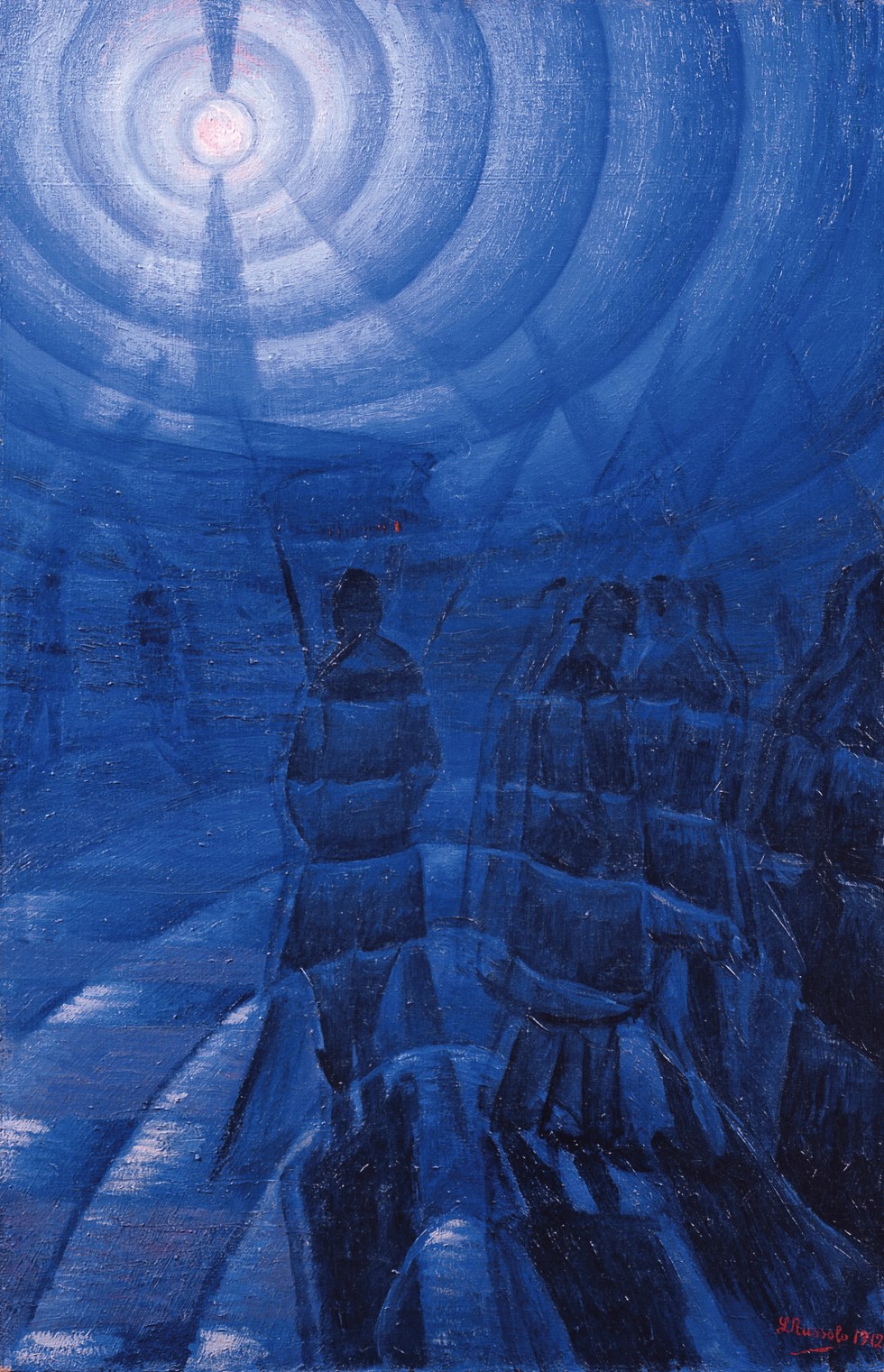
Russolo trained first as a painter and participated in Futurist exhibitions. He published an influential manifesto arguing that industrialization and urban life produced novel soundscapes that traditional music could not represent. This text, commonly referred to by its English title The Art of Noises, outlined categories of noise and proposed instruments capable of widening the palette of musical timbre. His writings and performances linked painting, performance and machine aesthetics; for editions and translations consult document collections.
Instruments and performances
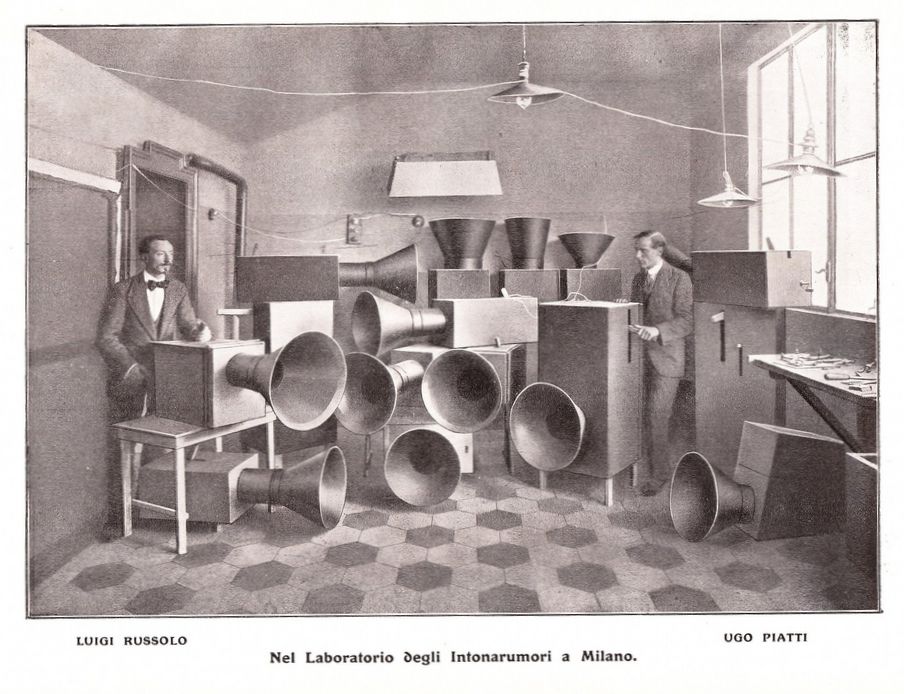
To put theory into practice, Russolo designed and built a family of noise-generating devices often called "intonarumori." These were boxes with acoustic outlets and mechanical means to produce steady or evolving noises—buzzes, roars, rumbles and whistles—controlled by the performer. He staged concerts of noise that attracted both fascination and controversy, influencing later experimental composers and instrument builders. Contemporary reconstructions and descriptions of these devices are available via scholarly projects and museum catalogues; see an overview at instrument studies.
History, loss, and legacy
Many of Russolo’s original instruments did not survive the upheavals of the mid-20th century. Some were destroyed or disappeared during World War II—reports often mention losses in Paris and elsewhere—while others were dispersed. In later decades instrument builders, historians and composers reconstructed the intonarumori from sketches and photographs, reviving Russolo’s sound ideas for new audiences. For research on the wartime history and postwar reconstructions see archival notes at historical resources and conservation reports at museum pages.
Significance and distinctions
Russolo is remembered both as a painter who participated in Futurist visual programs and as an early theorist of electroacoustic and noise-based music. His insistence that everyday sound could be musical helped open paths to musique concrète, industrial music, and many strands of sound art. For examples of modern performances inspired by his work, consult contemporary festivals and recordings referenced at performance listings.
- Main contributions: manifesto on noise, construction of intonarumori, early noise concerts.
- Context: part of Futurism’s interest in speed, technology and modernity.
- Legacy: influence on experimental, electronic and sound art practices.
Russolo’s interdisciplinary experiment combined image, word and machine, leaving a legacy that continues to provoke discussion about what counts as music and how technology reshapes aesthetic categories.
Related articles
Author
AlegsaOnline.com Luigi Russolo: Futurist Painter and Pioneer of Noise Music Leandro Alegsa
URL: https://en.alegsaonline.com/art/125514