
Lucien Clergue: French photographer, festival founder, and visual chronicler
Biography and overview of Lucien Clergue, a French photographer known for black-and-white images of Arles, bulls and nudes, co‑founder of the Rencontres d'Arles and member of the Académie des Beaux‑Arts.
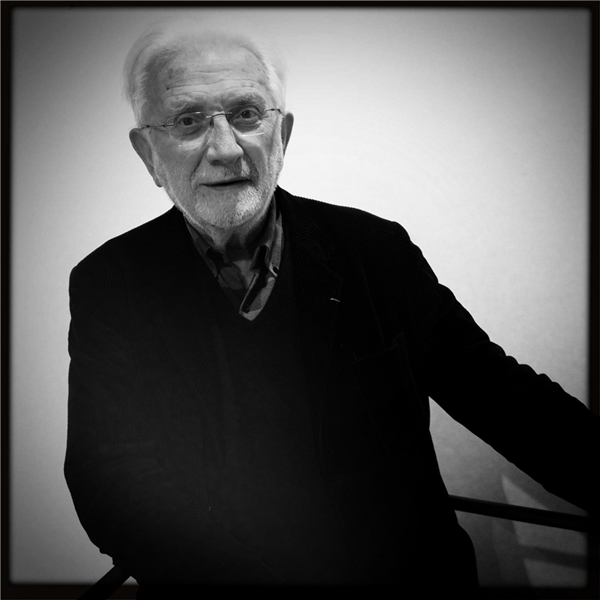
Lucien Clergue (14 August 1934 – 15 November 2014) was a French photographer whose work helped broaden acceptance of photography as a fine art. Born near Arles in southern France, Clergue produced a large body of black‑and‑white images that documented Mediterranean life, portraits of artists, and studies of the human figure. He died after a long illness in Nîmes.
Image gallery
3 Images

Artistic approach and subjects
Clergue is best known for high-contrast silver gelatin photographs that combine documentary observation with formal composition. Recurring subjects include the political and popular rituals of the Camargue—most notably bulls and bullfighting traditions—intimate studies of nudes and the human body, as well as portraits of fellow artists. His prints often emphasize texture, silhouette and dramatic light, and he worked both in camera and in the darkroom to shape final images.
Career and public work
During his career Clergue exhibited widely in Europe and beyond and published numerous monographs. He gained particular recognition for collaborations with painters and writers, producing dialogue between photography and other arts. Clergue also played an important institutional role: he was a founder of the annual photographic festival Rencontres d'Arles, which created a lasting platform for contemporary photography.
Contributions and honors
Clergue's advocacy helped raise photography's profile within the French cultural establishment. He became the first photographer to win a seat at the Académie des Beaux‑Arts and later held its presidency, a sign of the medium's changing status in French artistic life. For more on his role in institutions and awards see Académie des Beaux‑Arts and accounts of the Rencontres festival.
Legacy and influence
Clergue left a legacy as both an image-maker and an organiser: his photographs continue to be shown in museums and private collections, and the photography festival he helped found remains a major international event. His prints are often cited in discussions about the photographic depiction of ritual, the body and regional identity in southern France.
Examples and further reading
- Collections of his prints and exhibition catalogues illustrate his interests in portraiture, nudes and bullfighting scenes.
- Biographical summaries and retrospectives discuss his Arles origins and contributions to French visual culture; see general entries on photography for context and regional histories of Arles for local background.
Clergue remains a significant figure for those studying 20th‑century European photography, both for the stylistic qualities of his work and for his efforts to institutionalize photography within the arts.
Related articles
Author
AlegsaOnline.com Lucien Clergue: French photographer, festival founder, and visual chronicler Leandro Alegsa
URL: https://en.alegsaonline.com/art/125466