
Bobby "Blue" Bland
American blues and soul singer noted for his rich, dramatic voice and hits such as "I Pity the Fool"; a leading figure who blended gospel, blues and R&B and influenced generations of vocalists.
Overview
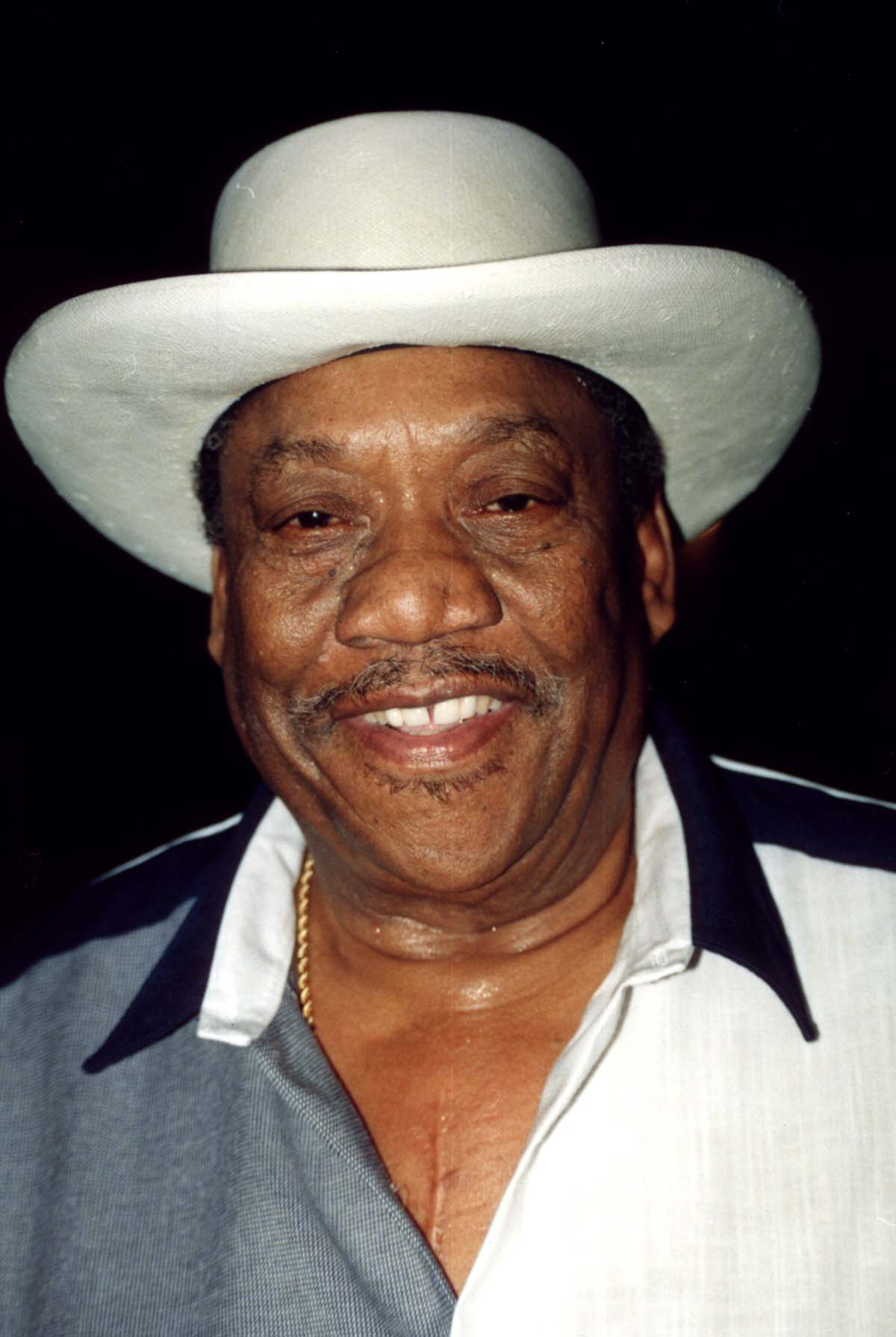
Robert Calvin "Bobby" Bland (January 27, 1930 – June 23, 2013), commonly known as Bobby "Blue" Bland, was an American singer whose career bridged traditional blues and modern soul. With a smooth, dramatic voice and an ability to convey a wide range of feeling, he became one of the most respected interpreters of rhythm and blues in the mid-20th century. Bland's work is characterized by a blend of gospel intensity, blues storytelling and polished R&B arrangements.
Image gallery
4 Images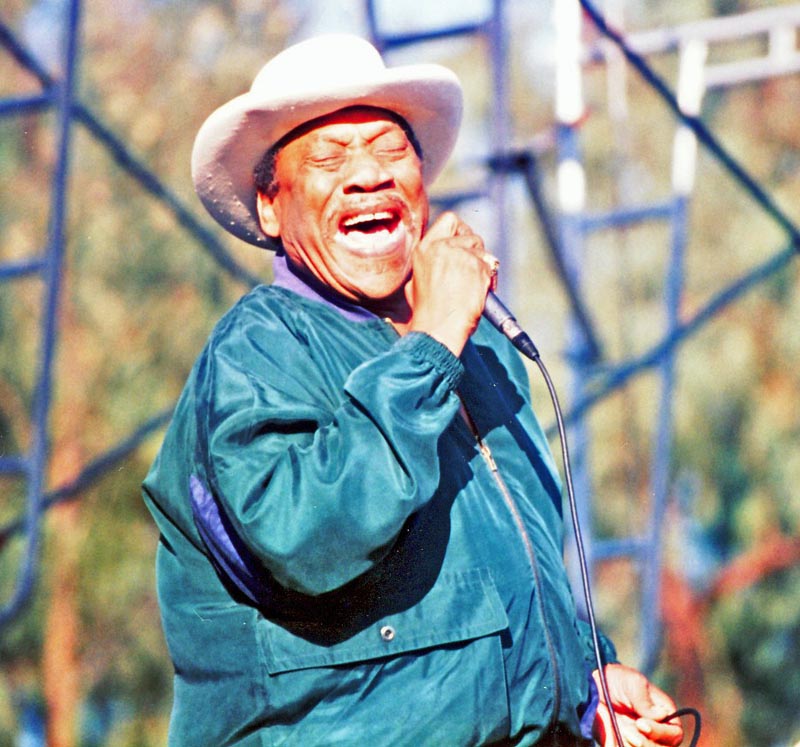


Early life and beginnings
Bland was born in Rosemark, Tennessee, and was raised in the Memphis area, a region long associated with a rich musical tradition. In Memphis he became associated with the loose collective of performers known as the Beale Streeters, musicians who shared stages and recording sessions and helped shape one another's styles. Those early years in the Memphis scene informed Bland's phrasing and performance approach.
Musical style and approach
Bland developed a sound that mixed elements of gospel call-and-response, blues phrasing and carefully arranged horn sections typical of contemporary R&B. His delivery often combined controlled restraint with sudden bursts of emotion, and many of his records relied on tight arrangements and strong instrumental support. Guitarists and horn players provided accents and solos that framed his vocal narratives, while studio production emphasized clarity and dramatic effect.
Career highlights and recordings
Bland recorded several songs that became standards of the R&B repertoire. Signature numbers such as "I Pity the Fool," "Turn On Your Love Light" and "Farther Up the Road" demonstrated his ability to turn songs into extended performance pieces that worked equally well on record and in concert. He recorded for prominent independent labels of the period and worked with producers and arrangers who tailored material to his strengths. Bland's recordings enjoyed widespread play on R&B radio and continued to be reissued and anthologized in later decades.
Collaborations and peers
He was often mentioned alongside other artists who bridged sacred and secular singing styles, such as Sam Cooke and Ray Charles. Bland's connection to gospel tradition is noted by observers who trace how church-rooted phrasing shaped popular African American vocal styles. His work intersected with other strands of Memphis and Southern music, and he maintained ties with performers who emerged from the same milieu.
Awards, recognition and legacy
Throughout his career Bland received honors from popular and blues institutions and is widely recognized as a major influence on later singers. He was honored by major music bodies and cited in histories that document the movement from blues to soul. Musicians and critics have praised his phrasing, emotional directness and the way he brought a refined, dramatic sensibility to blues-based material.
Personal life and later years
Bland lived much of his life in the Memphis area and remained connected to the region's musical community. He was often called the "Lion of the Blues" for his commanding stage presence. Bland died in Germantown, Tennessee, in 2013 at the age of 83. After his death it was reported that he had recently learned that harmonica player James Cotton was a half-brother, a detail noted in media accounts of his later life.
Influence and continuing interest
Music historians and performers continue to study Bland's recordings for their vocal technique and emotional power. His blending of gospel-derived expression, blues storytelling and R&B arrangement provided a template that influenced singers across genres. Scholarly and popular writing about mid-20th-century American music frequently cites Bland in discussions of how African American vocal styles adapted to changing commercial and artistic contexts.
Notable facts
- Early associations: part of the Beale Streeters, a Memphis circle of performers who shared stages and sessions.
- Signature songs: "I Pity the Fool," "Turn On Your Love Light," and "Farther Up the Road" are among his best-known recordings.
- Hybrid style: his music fused gospel feeling with blues storytelling and R&B arrangements.
- Regional roots: born in Rosemark, Tennessee, and raised in Memphis, central to his musical identity.
- Peer recognition: frequently compared with contemporaries such as Ray Charles and mentioned alongside Sam Cooke and Junior Parker in accounts of the era.
For readers seeking further context, many introductory music histories and artist profiles discuss Bland's role in the evolution of American popular singing and the Memphis music scene. Those sources document how his recordings and performances helped shape the bridge between blues, soul and mainstream R&B, and they continue to reassess his influence on later generations of vocalists and bands.
Tags
Related articles
Author
AlegsaOnline.com Bobby "Blue" Bland Leandro Alegsa
URL: https://en.alegsaonline.com/art/12541
Sources
- livinblues.com : "Bobby 'Blue' Bland"
- nytimes.com : "Bobby (Blue) Bland, Soul and Blues Balladeer, Dies at 83"
- americanbluesscene.com : "BREAKING: Bobby "Blue" Bland Passes Away"
- windsorstar.com : "Bobby 'Blue' Bland, known for 'Further On Up the Road' and 'Turn on Your Love Light,' dies"
- wreg.com : "Blues legend Bobby "Blue" Bland died"