
Sam Cooke: Singer, Songwriter, and Architect of Soul
Overview of Sam Cooke's life, music, business ventures, civil rights role, major songs, and the circumstances of his 1964 death and lasting legacy.
Sam Cooke (January 22, 1931 – December 11, 1964) was an American singer and songwriter widely regarded as a founding figure in soul music. Rising from gospel roots, Cooke blended secular pop, rhythm and blues, and spiritual phrasing to create a smooth, emotive vocal style that influenced generations of vocalists. His recordings in the 1950s and early 1960s produced a string of popular hits and a reputation for elegant songwriting and crossover appeal.
Image gallery
4 Images


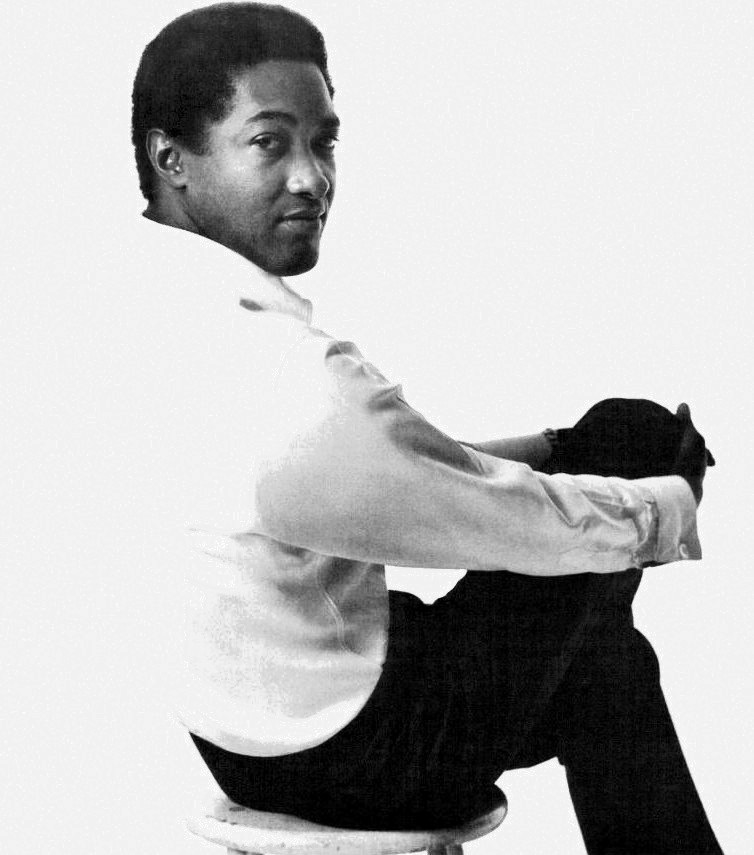
Early life and rise to prominence
Born Samuel Cook in Clarksdale, Mississippi and raised in Chicago and later in the American South, he shortened and later respelled his name as Sam Cooke. He began singing in church choirs and gained early recognition as lead vocalist for a successful gospel group. By the mid-1950s he had moved into secular music, achieving mainstream success with a breakthrough single that topped pop and R&B charts. His career combined commercial success with artistic ambition, enabling him to tour widely and appear on major radio and television programs of the era.
Musical style and notable recordings
Cooke's music is noted for its lyrical clarity, graceful delivery, and the way it fused sacred and popular idioms. He wrote and interpreted songs that ranged from romantic ballads to socially conscious statements. Among his best-known recordings are:
- "You Send Me" — a chart-topping love song that brought him mainstream fame;
- "Wonderful World" — a warm, pedagogical ballad often associated with his public image;
- "Chain Gang" — a rhythmic, lyrically vivid track drawing on everyday experience;
- "Bring It on Home to Me" — a soulful call-and-response ballad often covered by later artists;
- "A Change Is Gonna Come" — a reflective, powerful song that came to be linked with the civil rights era.
Business activities and civil rights involvement
Beyond performing, Cooke pursued ownership and control of his work at a time when many Black artists had little leverage in the music industry. He founded his own record label and a publishing company to retain creative and financial rights to his songs. He also used his visibility to support broader social causes; several of his songs and actions resonated with the civil rights movement, and he associated with activists and community leaders. These efforts are commonly cited as part of his legacy both as an artist and as a businessman.
Death, controversy, and legacy
Cooke died in December 1964 at the age of 33. The circumstances surrounding his death were contested: he was shot and killed at a Los Angeles motel by the motel manager, who reported that the shooting was in self-defense. The incident produced official investigations and public debate, and some aspects of what happened remain a matter of discussion among historians and fans. He was buried in Southern California.
- Musical influence: Cooke's phrasing and songwriting shaped soul, pop, and R&B vocal traditions.
- Covers and tributes: Many later artists across genres have covered his songs or cited him as an influence.
- Industry impact: His efforts to form a label and publishing concern set an example for artist entrepreneurship.
- Historical recognition: Posthumous honors, retrospectives, and scholarly work have examined his music and social role.
- Continuing relevance: Songs like "A Change Is Gonna Come" remain culturally resonant and are frequently referenced in discussions of social change.
Sam Cooke's concise, melodic writing and smooth vocal presence helped bridge musical worlds and opened avenues for Black artists in popular music. While his life ended prematurely, his recordings and the business choices he made endure as part of the broader story of American music in the 20th century.
Questions and answers
Q: Who was Sam Cooke?
A: Sam Cooke was an American soul singer and songwriter who was very important in the beginning of soul music.
Q: What were some of Sam Cooke's most famous songs?
A: Some of Sam Cooke's most famous songs were "You Send Me", "A Change Is Gonna Come", "Chain Gang", "Wonderful World", and "Bring It on Home to Me".
Q: Did Sam Cooke have his own record label?
A: Yes, Sam Cooke started his own record label and publishing company.
Q: Was Sam Cooke involved in the Civil Rights Movement?
A: Yes, Sam Cooke was an important part of the Civil Rights Movement, helping African-American people to get civil rights.
Q: How did Sam Cooke die?
A: Sam Cooke was shot and killed by a hotel manageress called Bertha Franklin in 1964.
Q: Did Bertha Franklin have a reason for shooting Sam Cooke?
A: Bertha Franklin told the police that she shot Cooke in self-defense.
Q: Where was Sam Cooke buried?
A: Sam Cooke was buried in Glendale, California.
Author
AlegsaOnline.com Sam Cooke: Singer, Songwriter, and Architect of Soul Leandro Alegsa
URL: https://en.alegsaonline.com/art/130420