
Loretta Young: American film and television actress (1913–2000)
Overview of Loretta Young’s life and career: child actress turned Oscar-winning film star and Emmy-winning television host, noted for her screen presence, The Loretta Young Show, faith, and legacy.
Overview
Loretta Young (born Gretchen Young; January 6, 1913 – August 12, 2000) was an American actress whose career spanned the silent era through the golden age of Hollywood and into early television. She became known for a refined screen image, versatility in both dramatic and romantic roles, and later for presenting and starring in her own televised anthology series. For contemporary readers she remains an emblematic figure of mid-20th-century American entertainment and studio-era stardom. Read more about her career as an actress: career overview.
Image gallery
7 Images


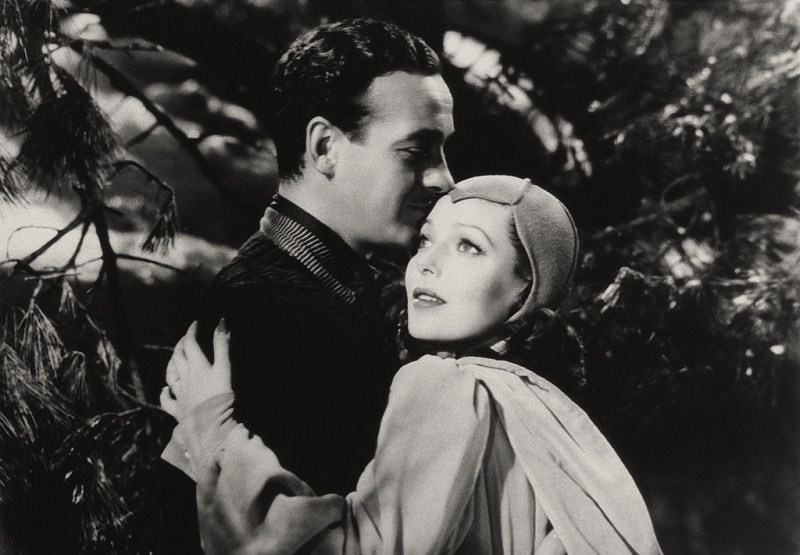


Early life and family
Born in Salt Lake City, Utah, Young moved with her family to southern California as a child and began appearing in films at an early age. Her birth name was Gretchen Young; she and two of her sisters became actors, creating a small family presence in Hollywood. Details about her birthplace and childhood are discussed in regional biographies: Salt Lake City background and early family history. The family relocated to Los Angeles during her preschool years, which placed her within reach of the burgeoning film industry: move to Hollywood, Los Angeles context, California film scene.
Film career and screen persona
Young worked steadily in motion pictures from childhood into adulthood, making the transition from silent films to sound with relative ease. She cultivated an elegant, wholesome image that studios promoted for romantic leads and morally upright characters, but she also took on more complex dramatic parts. Her most celebrated film performance earned her the Academy Award for Best Actress for The Farmer's Daughter, a role that showcased both comic timing and emotional warmth. For information on that honor see: Academy recognition.
Television, awards, and later recognition
In the 1950s Young reinvented herself as a television performer and host. She created and starred in an anthology program that ran for several seasons, blending dramatic storytelling with carefully staged on-screen introductions. Her work in television was widely praised, resulting in multiple Emmy Awards during that decade. For details of her television accolades: Emmy history.
Legacy, personal life, and death
Off screen, Young was noted for her devout Roman Catholic faith and a guarded private life. She remained a recognizable public figure into her later years and received a Golden Globe in the mid-1980s in recognition of her contributions to entertainment. In 2000 she died in Los Angeles of ovarian cancer; obituaries and remembrances summarized her long professional life and charitable pursuits: reports of her death.
Selected films and honors
- The Farmer's Daughter — Academy Award (Best Actress)
- Various feature films spanning late silent era through 1940s — leading and supporting roles
- The Loretta Young Show — Emmy-winning television anthology, 1950s
- Later lifetime honors including a Golden Globe
Young's long career illustrates the adaptability required of performers across changing media and studio practices. She is remembered both for specific award-winning performances and for embodying a particular studio-era ideal of femininity and professionalism.
Further resources and archival materials provide deeper information on her films, television work, and public life: biography, regional archives, family records, Hollywood history, Los Angeles cultural context, California cinema, Oscar details, Emmy archives, final notices.
Related articles
Author
AlegsaOnline.com Loretta Young: American film and television actress (1913–2000) Leandro Alegsa
URL: https://en.alegsaonline.com/art/125327