
Lee Teng-hui — Taiwanese statesman and architect of Taiwan's democracy
Lee Teng-hui (1923–2020) was President of the Republic of China (Taiwan) from 1988 to 2000, known for leading democratic reforms, promoting a distinct Taiwanese identity and guiding the island's first direct presidential election.
Lee Teng-hui (15 January 1923 – 30 July 2020) was a prominent political figure in postwar Taiwan who served as President of the Republic of China from 1988 to 2000. Often described in media and scholarship as an important driver of Taiwan's transition to democracy, Lee combined technocratic training and political experience to oversee a period of constitutional change, electoral reform and reorientation of national identity.
Image gallery
10 Images


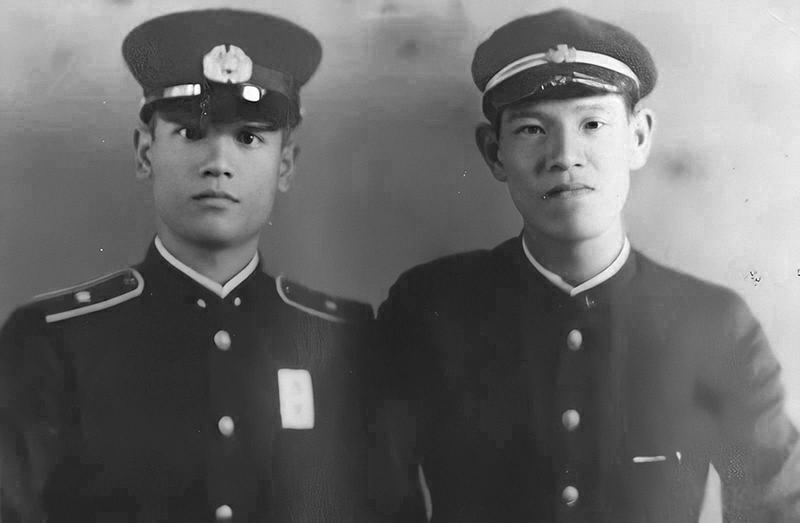
Early life and education
Born during the period of Japanese rule in Taiwan, Lee's early years and education took place in a context distinct from mainland China. He later pursued higher education abroad, including advanced study in the United States where he completed doctoral work in agricultural economics. These international experiences influenced his technocratic approach to governance and his emphasis on economic and administrative modernization.
Political career and offices
Lee rose through academic and public-administration ranks before entering national politics. He served in senior government posts and as Vice President, and became head of state upon the death of his predecessor. During his tenure he also led Taiwan's major ruling party as chairman.
- Name and transliteration note
- Personal background and family name
- Information about family name usage
- Republic of China (official name)
- Taiwan (common name)
- Presidency 1988–2000
- Kuomintang chairmanship
Presidency: reforms and policies
Lee presided over a series of political changes that deepened pluralism and competitive elections. He championed constitutional amendments that reformed legislative and electoral systems, promoted the first direct presidential election on the island, and supported measures that broadened civil liberties and party competition. At the same time, his policies emphasized market-oriented economic management and pragmatic diplomacy amid complex relations with neighboring states.
Legacy and notable facts
Lee is widely recognized for shifting Taiwan's political discourse toward a stronger sense of local identity and for guiding peaceful democratization. His record remains the subject of debate: admirers credit him with consolidating democratic institutions, while critics point to contentious party struggles and the political polarization that accompanied identity politics. He remained an influential public figure after leaving office.
Lee died in Taipei on 30 July 2020 from sepsis associated with multiple organ failure at the age of 97. News accounts and obituaries noted both his role in Taiwan's democratic evolution and the controversies that marked his long public life. For further reading, see additional resources and profiles linked here:
- Health and death reports
- Reports from Taipei and contemporary accounts
- Official name and status of the Republic
Note: This article offers a concise, neutral overview of Lee Teng-hui's life and public career, emphasizing widely reported facts and scholarly consensus about his role in Taiwan's late-20th-century political transformation.
Related articles
Author
AlegsaOnline.com Lee Teng-hui — Taiwanese statesman and architect of Taiwan's democracy Leandro Alegsa
URL: https://en.alegsaonline.com/art/124169
Sources
- usatoday30.usatoday.com : "Ex-Taiwan president Lee indicted on graft charge"
- atimes.com : "Lee charges stir Taiwan"
- taipeitimes.com : "Former president Lee Teng-hui dies"
- focustaiwan.tw : "Lee Teng-hui dies; pivotal figure in Taiwan's transition to democracy"