
Liz Cheney
Elizabeth "Liz" Cheney is an American attorney and politician, served as U.S. Representative for Wyoming (2017–2023), held GOP leadership, and became a prominent Republican critic of Donald Trump after 2020.
Elizabeth Lynne Cheney, commonly known as Liz Cheney (born July 28, 1966), is an American lawyer and politician who represented Wyoming's at-large congressional district in the U.S. House of Representatives beginning in 2017. A member of the Republican Party, she rose to a senior leadership post in the House GOP and later became widely known for breaking with many in her party over the 2020 presidential election and the events of January 6, 2021.
Image gallery
6 Images


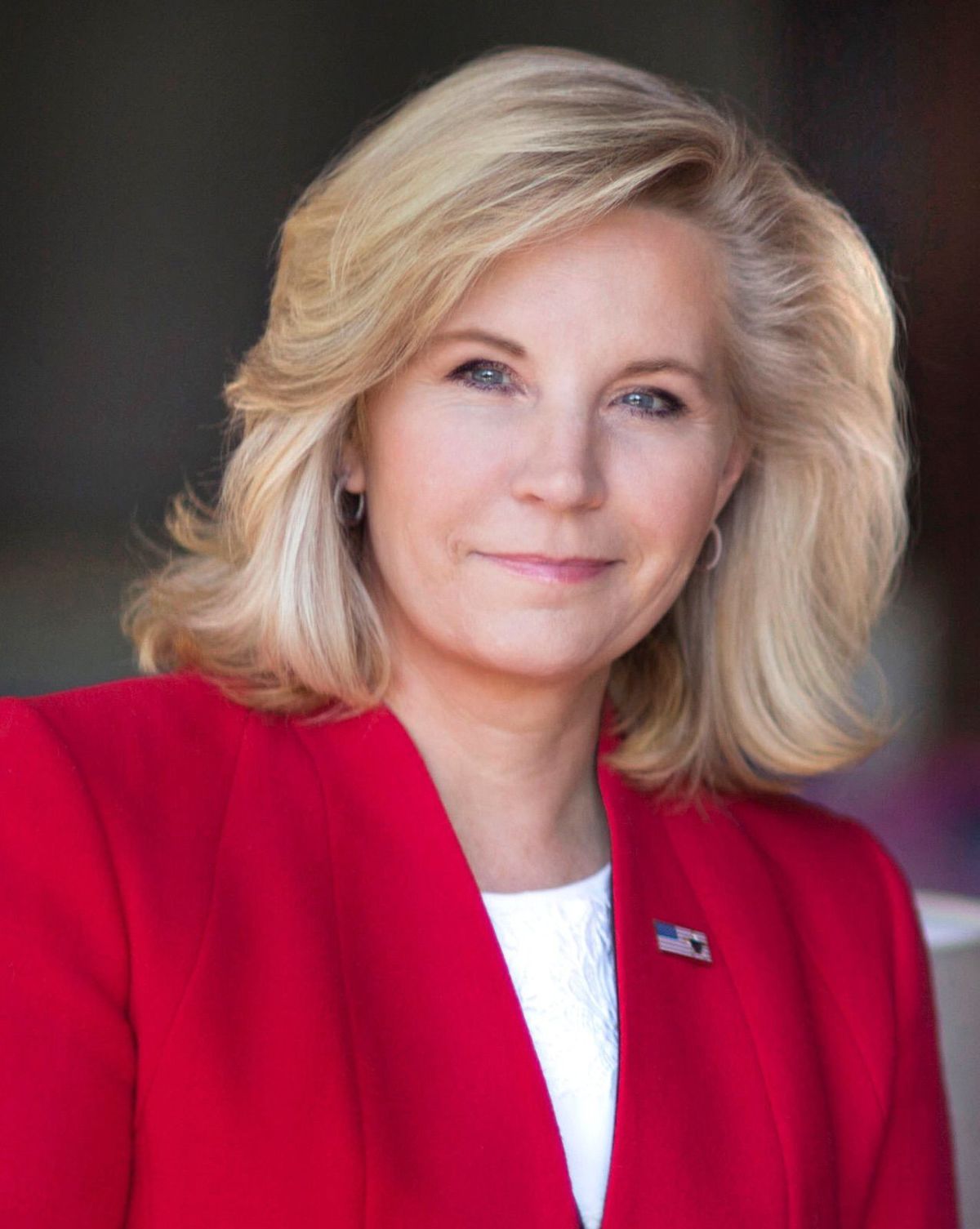
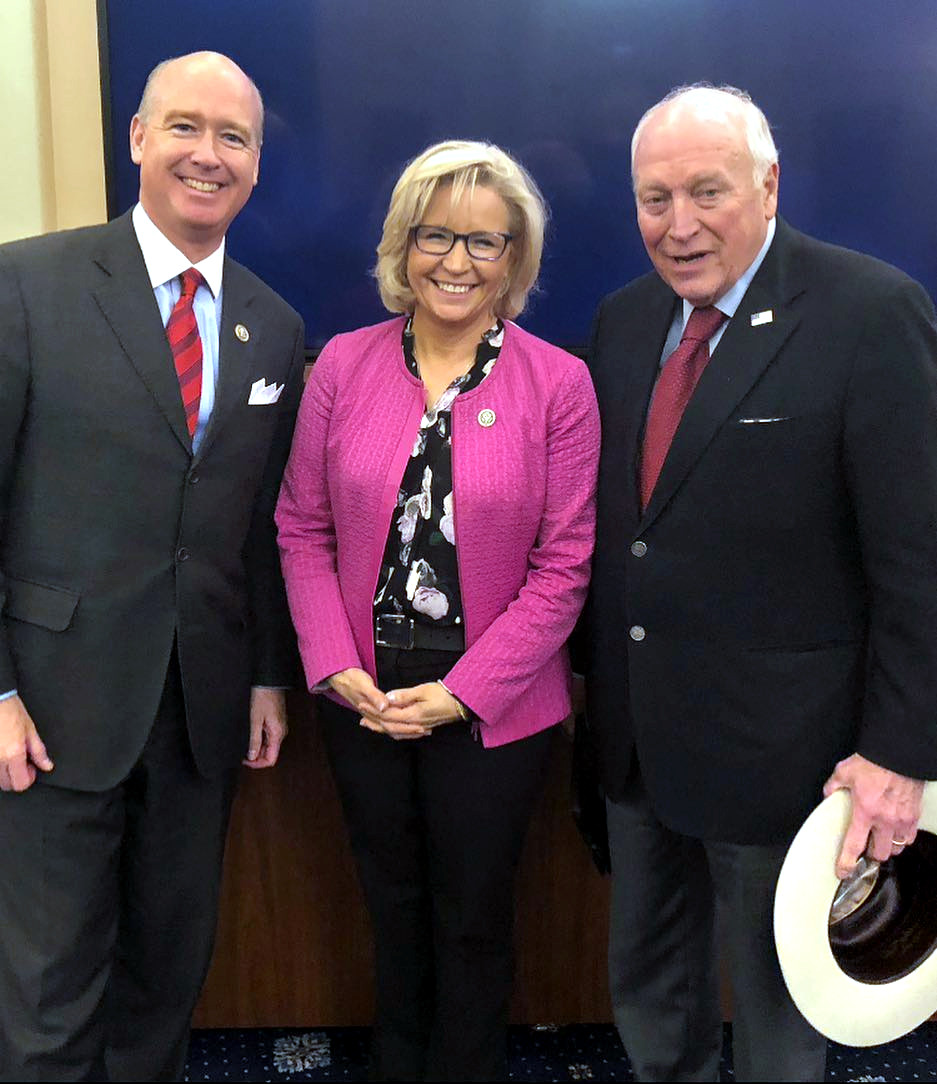

Background and early career
Cheney comes from a politically active family and is the elder daughter of former Vice President Dick Cheney and author and public intellectual Lynne Cheney. Trained as an attorney, she worked in legal and policy roles before seeking elective office. Her early career included private legal practice and positions in Republican policy circles and government, where she developed experience in national security and legislative matters.
Congressional service and leadership
Cheney was first elected to the House in 2016 and took office in January 2017. During her tenure she was elected House Republican Conference Chair, a role that placed her among the top three Republican leaders in the chamber. In that leadership capacity she had responsibilities for messaging and organizing party policy discussions. On May 12, 2021, the House Republican Conference removed her from that post after she supported the second impeachment of President Donald Trump and declined to back efforts to overturn the 2020 election results; that action reflected deep intraparty conflict over the post-election period and accountability for the Capitol attack (see related action).
Positions, public role, and the post-2020 period
Although generally associated with conservative positions on many policy areas, Cheney gained national attention for her public insistence on defending constitutional norms and election integrity. After the 2020 election she became one of the most visible Republican critics of Mr. Trump, arguing that attempts to change the outcome undermined democratic institutions. Her statements and actions placed her at odds with the dominant faction of her party and made her a polarizing figure both in Wyoming and nationally.
Defeat and continuing relevance
Cheney sought renomination in 2022 but was defeated in the Republican primary on August 16, 2022, by a candidate supported by former President Trump. Her loss highlighted the strength of pro-Trump sentiment among many Republican primary voters. Despite the electoral setback, Cheney remained a notable voice in debates about the Republican Party's direction, the limits of party loyalty, and the responsibilities of elected officials to defend democratic processes.
Notable facts and distinctions
- She served as the House Republican Conference Chair, a senior GOP leadership office.
- Her removal from party leadership was tied directly to her stance on the 2020 election and the second impeachment.
- Cheney's career illustrates tensions between traditional conservative foreign-policy views and the populist-nationalist turn in parts of the Republican Party.
Whether viewed as a defender of institutional norms or as a dissenter within her party, Liz Cheney's public service has had a lasting effect on contemporary American political debates about accountability, leadership, and the meaning of party allegiance.
Related articles
Author
AlegsaOnline.com Liz Cheney Leandro Alegsa
URL: https://en.alegsaonline.com/art/125272