
Urdu Poets: Notable Figures, Forms, and Historical Development
Survey of Urdu-language poets, major poetic forms (ghazal, nazm, marsiya), historical development from classical to contemporary, and a categorized list of influential poets.
Overview
Urdu poetry is a major strand of South Asian literary tradition written primarily in the Urdu language, which developed under strong Persian and Arabic influences. Renowned for its lyrical intensity and refined diction, Urdu verse has long played a central role in cultural, social, and political life across South Asia and in diasporic communities. Poets working in Urdu range from classical court poets to modern writers and performance artists.
Image gallery
10 Images


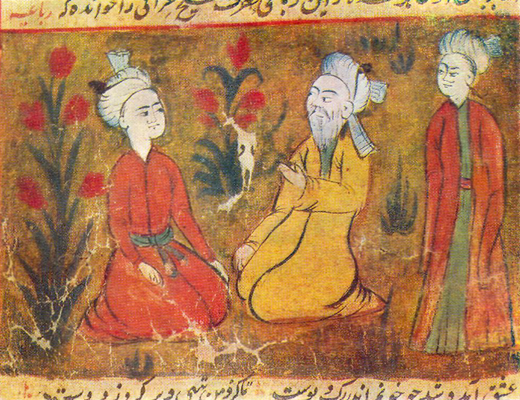


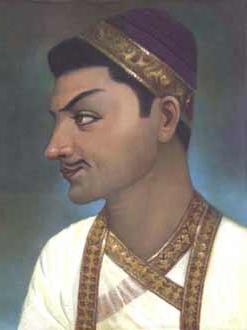
Forms and characteristics
Common forms include the ghazal (a sequence of couplets often focused on love, loss or metaphysical themes), the nazm (a more flexible, often narrative or topical poem), the marsiya (elegy, particularly associated with Shia mourning), the qasida (panegyric ode), and short forms like rubai. Urdu poetry is noted for its use of metaphors, imagery drawn from nature and courtly life, and a tradition of couplet-based wit and aphorism.
Historical development
Urdu verse emerged in the early modern period and gained prominence in courtly centers of North India. Over time it absorbed Persian poetic meters and vocabulary while developing distinct regional idioms. The 19th century saw the flourishing of classical masters. The 20th century brought new directions: philosophical and Romantic heights, politically engaged writing associated with social movements, and later modernist and experimental tendencies. In the late 20th and 21st centuries poets have worked across print, radio, film and live performance (mushaira).
Themes and social role
Urdu poets have addressed love, spirituality, social justice, nationalism, mourning and personal angst. Poetry has been a vehicle for reformist and revolutionary thought, a source of popular song lyrics, and a ritualized element of literary gatherings. The mushaira — a public assembly for recitation — remains an important site for the circulation and appreciation of new work.
Notable figures by tendency
- Classical and early modern: Mir Taqi Mir, Mirza Ghalib, Sheikh Quli, Zauq (among others)
- Elegy and religious verse: Mir Anees, Mirza Dabeer
- Philosophical and national: Allama Muhammad Iqbal
- Progressive and political: Faiz Ahmad Faiz, Josh Malihabadi
- Modernist and iconoclastic: Jaun Elia, Noon Meem Rashid
- Women and contemporary voices: Parveen Shakir, Kishwar Naheed, Zehra Nigah, Ada Jafri
- Lyricists and cross-over writers: Sahir Ludhianvi, Gulzar, Javed Akhtar
Legacy and distinctions
Urdu poets have produced a rich corpus crossing national boundaries and continuing to influence film, music and political discourse. Some writers straddle standard categories—moving between ghazal and long-form poems or working as songwriters—while others expanded the language’s expressive range by introducing colloquial speech, feminist perspectives, or diasporic experience. The tradition remains dynamic, with new generations reinterpreting classical forms for contemporary audiences.
Related articles
Author
AlegsaOnline.com Urdu Poets: Notable Figures, Forms, and Historical Development Leandro Alegsa
URL: https://en.alegsaonline.com/art/125218