
Lois Lowry: Life, major works, themes, and influence
Overview of Lois Lowry, American author of children's and young adult fiction; biography, major works (The Giver, Number the Stars, Anastasia), themes, awards, adaptations and influence.
Lois Lowry (born Lois Ann Hammersberg; March 20, 1937) is an American writer best known for novels for children and young adults. Her work ranges from gently comic contemporary tales about family life to spare, thought‑provoking novels that explore ethical dilemmas, loss, identity, and social order. Lowry's clear, economical prose and willingness to treat young readers as serious thinkers have made her one of the most influential figures in late‑20th and early‑21st century children's literature.
Image gallery
4 Images
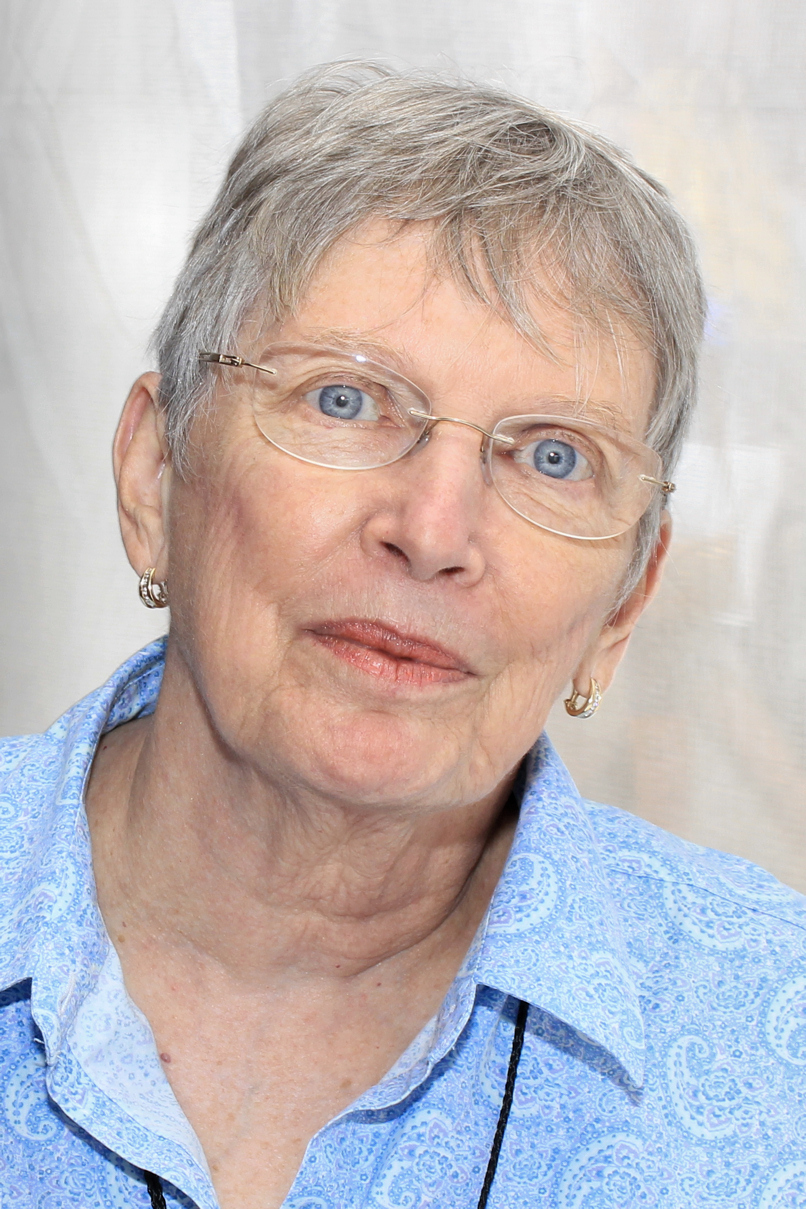


Early life and development as a writer
Born in Honolulu, Hawaii, Lowry discovered reading and storytelling at an early age. Personal experience — including an upbringing marked by the absence of her father — informed some recurring motifs in her fiction, such as searching for parental figures and negotiating fractured families. She has spoken about finding comfort and purpose in books and writing while experiencing ordinary childhood challenges, including difficulty with subjects like mathematics. Writing became a lifelong vocation and outlet for exploring emotional truth.
Career, style, and recurring themes
Lowry wrote across age ranges and genres: humorous realistic series for younger readers, stand‑alone historical novels, and speculative works that have become central to discussions of young adult dystopia. Her style is often direct and unadorned, favoring clarity and tight narrative focus. Recurring themes include memory and its role in identity, moral choice, courage in the face of danger or injustice, the meaning of family and belonging, and the tension between conformity and individuality.
Notable works
- The Giver — A restrained dystopian novel that examines memory, freedom, and the costs of social stability. It launched extended discussion about ethics and the role of memory in society and inspired further books set in the same imagined world.
- Number the Stars — A historical novel set in World War II that portrays courage, compassion, and resistance through the perspective of a child caught up in extraordinary events.
- Anastasia Krupnik series — A set of humorous, character‑driven books about a perceptive, spirited girl and family life in contemporary settings.
Awards, adaptations, and reception
Lowry has received major recognition for her contribution to children's literature, including two Newbery Medals, awarded for distinct achievement. Her books — especially The Giver and Number the Stars — have been widely taught in schools, adapted in various forms, and have generated public debate. The Giver in particular has been both celebrated for its moral seriousness and frequently challenged in some school districts, which has prompted classroom discussions about censorship, curriculum, and age‑appropriate topics.
Legacy and influence
Lois Lowry's influence rests on her insistence that young readers can engage with difficult subjects and complex emotions. Her accessible prose, memorable protagonists, and moral seriousness helped to expand the subject matter considered acceptable for children's and young adult fiction. By combining intimate character work with broader ethical questions, Lowry's books continue to be read, taught, adapted, and debated, securing her place as a central figure in contemporary literature for young readers.
Selected bibliography
- Number the Stars
- The Giver
- Gathering Blue; Messenger; Son (related novels)
- Anastasia Krupnik and other contemporary titles
Readers and educators continue to turn to Lowry's work for its emotional honesty and willingness to address moral complexity, making her books enduring fixtures in childhood and adolescent reading.
Questions and answers
Q: Who is Lois Lowry?
A: Lois Lowry is an American author born on March 20, 1937 in Honolulu, Hawaii.
Q: Why did Lois Lowry write about strong father figures in her books?
A: Lois Lowry liked to write about strong father figures in her books because her own father wasn't present in her childhood.
Q: What was Lois Lowry interested in when she was very young?
A: Lois Lowry became interested in reading when she was very young.
Q: What is a struggle that Lois Lowry had in her childhood?
A: Lois Lowry had a lot of trouble with math in her childhood.
Q: When was Lois Lowry born?
A: Lois Lowry was born on March 20, 1937.
Q: What is the birth name of Lois Lowry?
A: The birth name of Lois Lowry is Lois Ann Hammersberg.
Q: Where was Lois Lowry born?
A: Lois Lowry was born in Honolulu, Hawaii.
Related articles
Author
AlegsaOnline.com Lois Lowry: Life, major works, themes, and influence Leandro Alegsa
URL: https://en.alegsaonline.com/art/125298