
List of rivers of Albania: major waterways, basins and names
Overview and organized list of Albania's rivers, their geographic roles, notable features and groups by basin, with an alphabetical list of named rivers found in Albania.
Overview
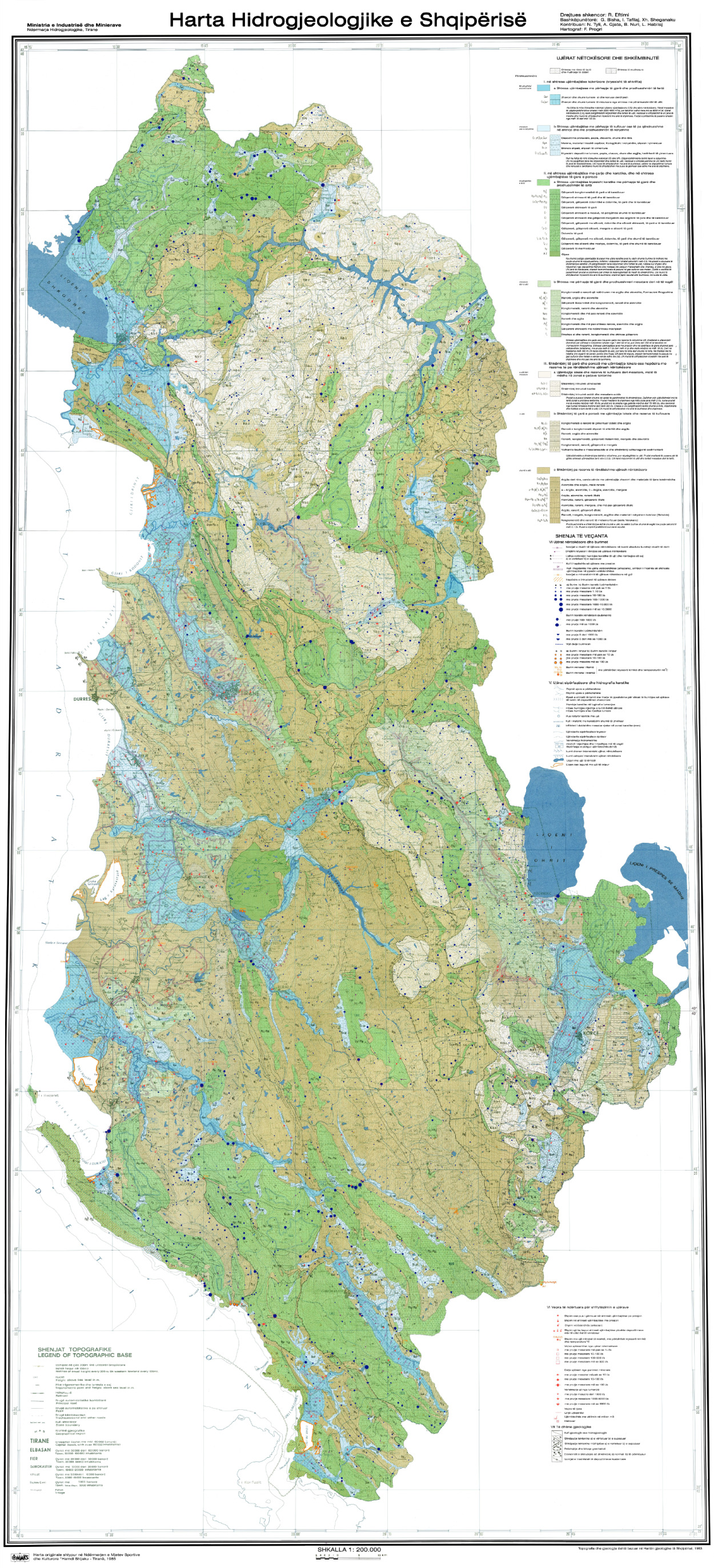
Albania is drained by numerous rivers that flow from the interior mountains to the Adriatic and Ionian seas or cross international borders. These waterways range from short coastal streams to extensive river systems that gather tributaries across northern and southern Albania. Rivers are important for freshwater supply, irrigation, hydropower and local ecosystems. For general reference and mapping, consult national lists and resources via further listings.
Image gallery
10 Images


Characteristics and major systems
Several river systems dominate Albania's hydrography. The Drin system in the north is the largest network and integrates major tributaries often referred to as the White Drin (Drini i Bardhë) and the Black Drin (Drini i Zi). The Vjosa is celebrated for its largely free‑flowing, dynamic character. In the central and southern regions, the Seman and Shkumbin systems drain sizable basins and collect waters from tributaries such as the Osum and Devoll. Coastal rivers such as the Buna (Bojana) connect inland lakes and wetlands to the Adriatic and form important border and estuarine environments.
History, geology and notable features
The course and behavior of Albanian rivers have been shaped by tectonic uplift, karst limestone landscapes and glacial processes in mountainous headwaters. River valleys have long supported settlements, trade routes and agriculture; several rivers pass through deep canyons or carve terraces that are locally important for tourism and biodiversity. The Osumi canyon and Vjosa valley are examples often cited for their scenic and geomorphological significance. Hydrological modification for dams and reservoirs has affected some basins, while others remain relatively intact.
Uses, ecology and conservation
Rivers in Albania supply municipal water, irrigate farmland, produce hydropower and sustain fisheries and wetlands. Many riparian zones harbor diverse plant and animal communities and act as migration corridors for fish. Conservation interest has been particularly high for near‑natural rivers like the Vjosa; awareness of ecological values has led to national and international attention on river protection and sustainable management. For more on conservation and policy discussions, see coverage related to the Vjosa river here.
Distinctions and practical notes
Names may vary in local usage and transliteration; some rivers are known by alternative or historic names. Several rivers form part of international catchments, crossing or bordering neighboring countries. When consulting older maps or different languages, expect variant spellings. Smaller streams and seasonal rivers are numerous but less consistently named in broad listings.
List of rivers (alphabetical)
- Berisha River
- Bistrica River
- Bushtrica River
- Buna River
- Drini River
- Drini i Zi River
- Devolli River
- Drino River
- Dunaveci River
- Fani River
- Fani i Madh River
- Fani i Vogël River
- Erzeni River
- Gomsiqja River
- Gostima River
- Gjadri River
- Gjanica River
- Gjolja River
- Ishmi River
- Kalasa River
- Kiri River
- Lana River
- Lesniqja River
- Mati River
- Nikaj River
- Osumi River
- Qarishta River
- Rapuni River
- Semani River
- Shkumbini River
- Shushica River
- Vjosa River
- Pavllo River
- Drini i Bardhë River
- Tërkuza River
- Tirana River
- Zeza River
This listing presents named rivers that appear in common references for Albania. For local hydrological details, watershed boundaries, or the status of specific tributaries consult specialized hydrology maps and national water agencies.
Related articles
Author
AlegsaOnline.com List of rivers of Albania: major waterways, basins and names Leandro Alegsa
URL: https://en.alegsaonline.com/art/124962