
List of rivers of Alaska
Overview and notable rivers of Alaska, organized by drainage basin, with information on geography, ecology, history, and human use.
Overview
Alaska's river systems form a complex network that drains vast mountains, tundra and coastal plains into the Arctic Ocean, Bering Sea and North Pacific. Rivers in Alaska range from broad, navigable waterways used for commerce and subsistence to remote braided streams that flow only seasonally. Many originate in the state’s glaciated highlands or in neighboring Canada and support diverse fish and wildlife populations.
Image gallery
7 Images



Characteristics and seasonality
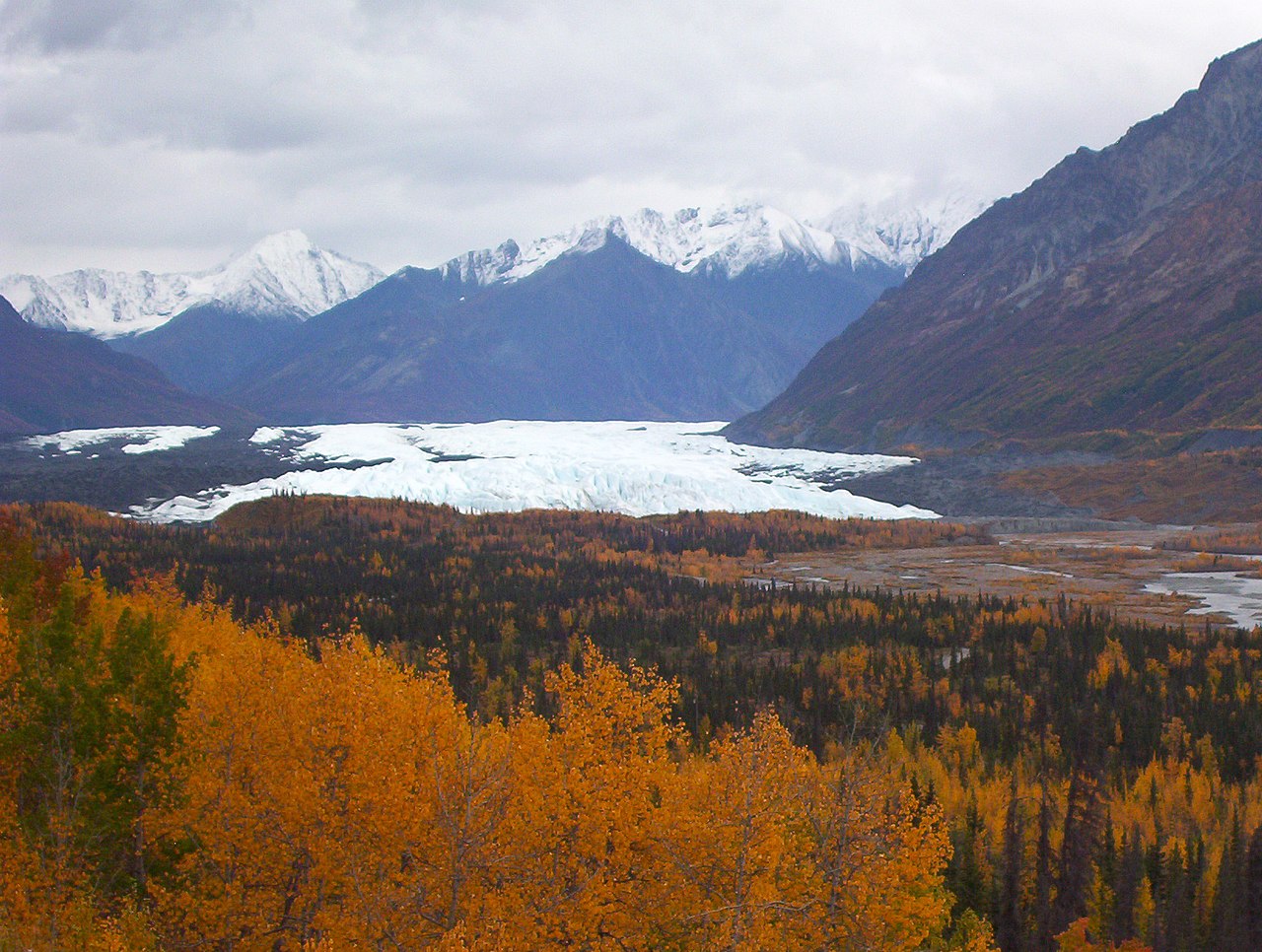
Alaskan rivers show strong seasonal cycles driven by snowmelt, glacier melt and spring thaw. Ice cover and breakup have powerful effects on flow and navigation. In interior and northern regions, permafrost and frozen ground influence bank stability and drainage patterns, producing meandering channels and expansive deltas where sediment accumulates.
History and names
Indigenous peoples named rivers for generations, and these waterways remain central to cultural identity, travel and subsistence. Russian explorers and later American prospectors added new names or renamed features during the 18th–20th centuries. Rivers were vital corridors during the gold rushes and for early trade and communication across vast distances.
Ecology and human uses
Rivers sustain salmon runs, freshwater fish, migratory birds and mammals. They are crucial for subsistence fishing and hunting in many communities. Some rivers support commercial fisheries, limited hydroelectric development, recreation and seasonal transport of goods where roads are absent. Environmental concerns include habitat protection, effects of development, and changing runoff patterns with climate warming.
Notable rivers by drainage basin
- Arctic Ocean basin: Colville River — a major North Slope stream flowing east–west across tundra; Kuparuk and Noatak — important for remote wildlife habitats.
- Bering Sea and Yukon-Kuskokwim basins: Yukon River — the largest river system in Alaska and a principal artery for interior communities; Kuskokwim River — entirely within Alaska and essential for southwestern villages; Tanana — a major Yukon tributary.
- Gulf of Alaska and Pacific basins: Copper (also called Chitina) — drains part of the Wrangell Mountains; Susitna — southcentral river flowing toward Cook Inlet; coastal streams such as the Situk support rich salmon fisheries.
Distinctions and notable facts
Some Alaskan rivers are among North America’s longest and most remote. They shape regional economies and cultures more than roads in many places. Changing climate alters timing of flow and glacier contributions, with implications for navigation, fish runs and coastal erosion. Many rivers remain protected within national parks, wildlife refuges and wilderness areas, maintaining important ecological functions.
Related articles
Author
AlegsaOnline.com List of rivers of Alaska Leandro Alegsa
URL: https://en.alegsaonline.com/art/124961