
Police forces in the United Kingdom: territorial, specialist and national services
Overview of the main police forces and constabularies in the United Kingdom, their categories, examples, governance, powers, volunteers and how they cooperate on cross‑border and specialist policing.
The United Kingdom's law enforcement landscape comprises a variety of police forces and constabularies with differing geographic or subject‑matter responsibilities. These range from local territorial forces that provide everyday policing to specialist national constabularies and other bodies with limited powers. Understanding the categories and examples clarifies who investigates crime, provides armed response, polices transport networks or secures critical sites.
Image gallery
10 Images




Main categories and examples
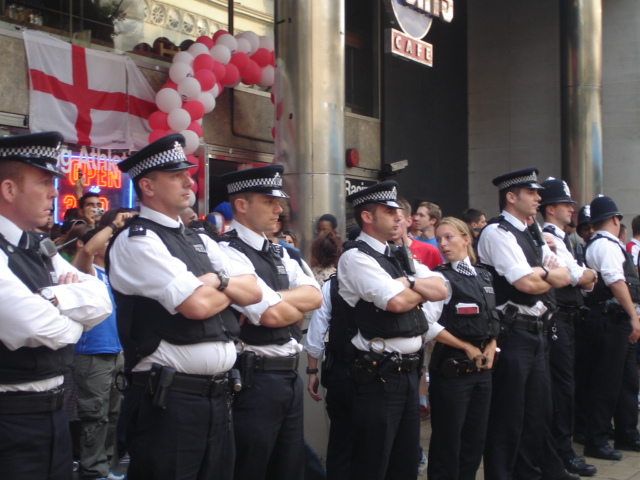
- Territorial forces — local police services responsible for general policing in defined areas. Examples include the Metropolitan Police Service and City of London Police in London, large regional forces such as Greater Manchester Police and West Midlands Police, plus a single national territorial force in Scotland (Police Scotland) and one in Northern Ireland (Police Service of Northern Ireland).
- Specialist national constabularies — bodies with a focused remit across wider areas, for example the British Transport Police (rail network), the Ministry of Defence Police (defence sites) and the Civil Nuclear Constabulary (nuclear sites).
- Other constables and policing bodies — bodies with limited or specific powers, including some port and harbour police, cathedral and parks constables, university constables, and various private or local security teams with delegated powers.
Powers, personnel and governance
Police officers hold the office of constable and exercise powers such as arrest and search; the exact operational remit can be shaped by statute and local agreements. In England and Wales most territorial forces are overseen by elected Police and Crime Commissioners, while national oversight structures govern Police Scotland and the Police Service of Northern Ireland. Professional and inspection bodies — including the College of Policing, HM Inspectorate and independent complaint investigators — set standards and examine performance.
Volunteers, specialists and cooperation
Volunteers and specialist roles support policing: special constables (volunteer warranted officers), police community support officers (PCSOs), and designated investigators or firearms teams. Forces routinely collaborate through mutual aid arrangements, regional organised crime units and national taskforces to tackle terrorism, serious organised crime and incidents that cross force boundaries. National agencies and joint units assist intelligence sharing, forensic support and cross‑jurisdictional investigations.
History and contemporary role
Modern policing in the UK developed from 19th‑century reforms that created organised professional forces. Today the mix of local autonomy, national coordination and specialist units aims to balance community policing with response to large‑scale and technical threats.
Related articles
Author
AlegsaOnline.com Police forces in the United Kingdom: territorial, specialist and national services Leandro Alegsa
URL: https://en.alegsaonline.com/art/124913
Sources
- shaws.co.uk : shaws.co.uk