
List of cities in Arkansas
An organized overview of Arkansas cities: definitions and classifications, historical development, major examples, and ways lists are arranged and used for reference.
This article describes lists of cities in the U.S. state of Arkansas, explains how municipalities are categorized, and highlights practical ways these lists are used. A full alphabetical index of places is maintained for reference and can be consulted for names, county locations, and incorporation status: complete alphabetical list.
Image gallery
10 Images
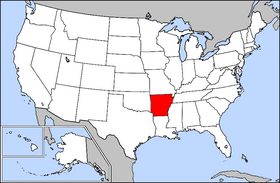

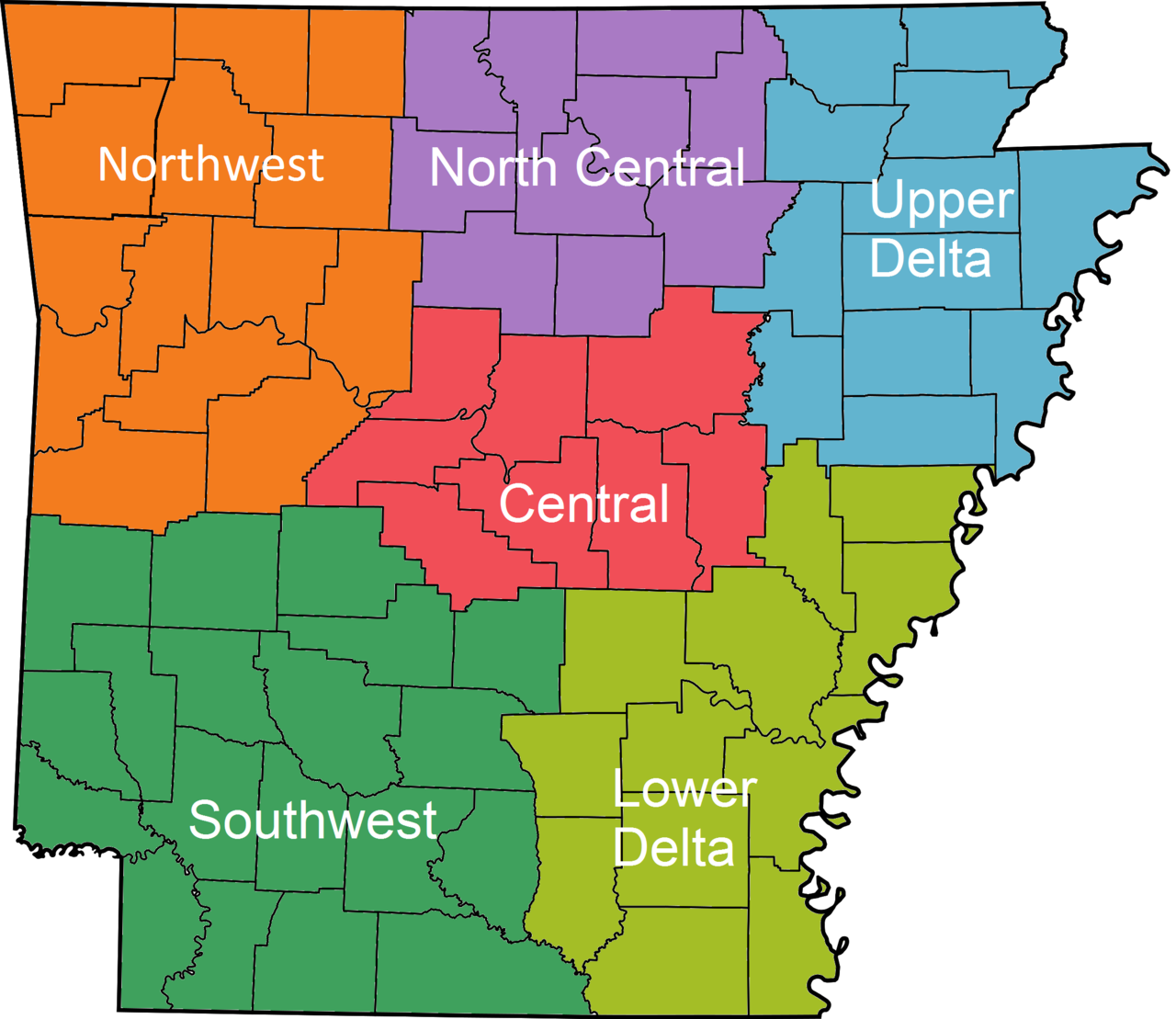


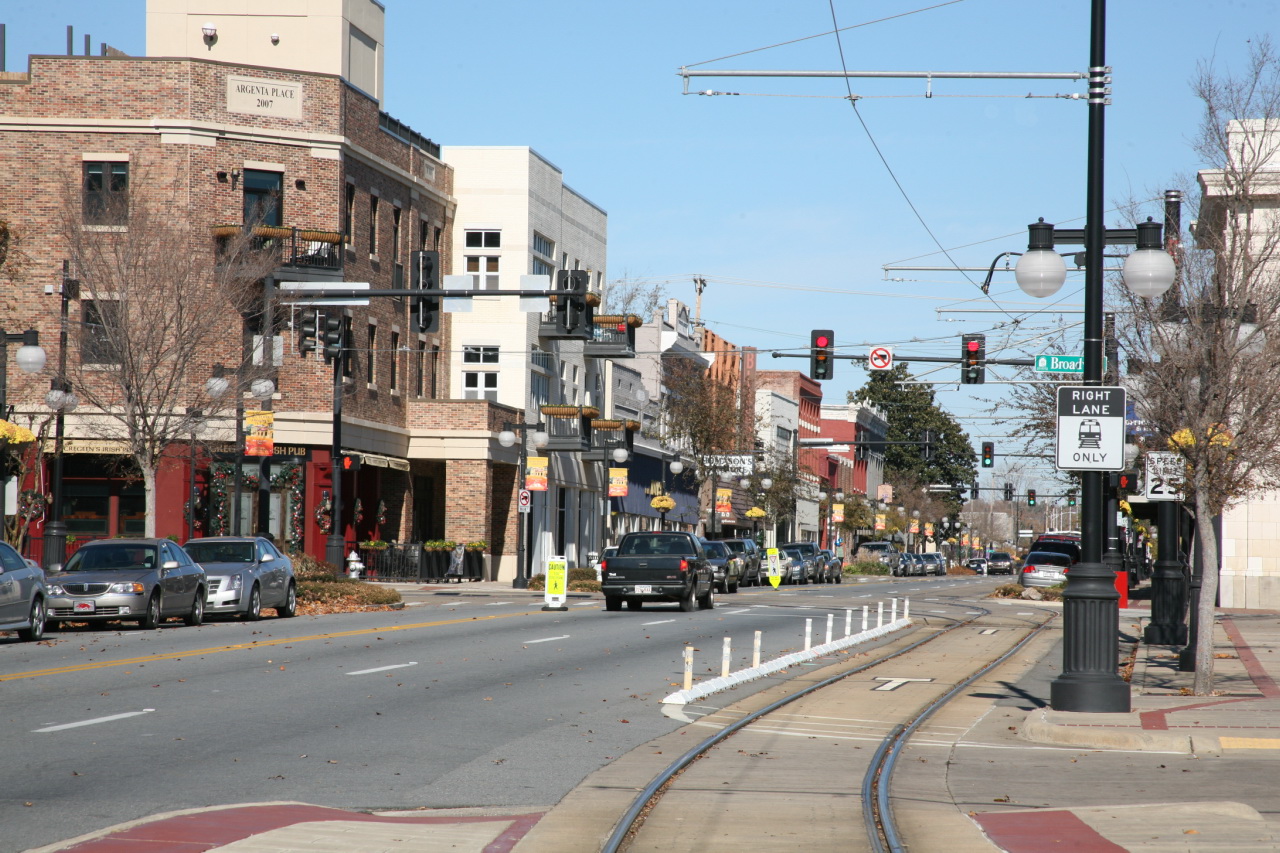
Overview and purpose
Lists of Arkansas cities serve as compact reference tools for residents, researchers, planners, and travelers. They typically include incorporated municipalities officially designated as cities or towns, and they may be presented alphabetically, by population, by county, or by metropolitan region. Such lists support civic planning, postal addressing, emergency services, and educational projects.
Classification and characteristics
In Arkansas, communities are incorporated as municipalities and are commonly referred to as cities or towns. Classification systems historically have depended on population thresholds and affect local government structure, powers, and election procedures. Municipal boundaries, services, and responsibilities differ from county jurisdictions.
Examples of larger municipalities
- Little Rock — the state capital and principal city of central Arkansas.
- Fort Smith — a historically important river and transportation city in the west.
- Fayetteville, Springdale, and Jonesboro — key regional centers in northwest and northeast Arkansas.
- North Little Rock, Conway, and Rogers — notable for education, industry, and suburban growth.
History and development
Settlement and growth of Arkansas cities followed rivers, railroads, and later highways. Agricultural trade, timber, mining, manufacturing, and more recently services and education shaped urban development. Many towns became incorporated as populations increased; over time some municipalities expanded across county lines or merged into larger urban areas.
Uses, organization, and notable distinctions
Researchers and officials rely on different list formats: alphabetical lists for quick lookup, county-organized lists for jurisdictional matters, and population-ranked lists for statistical analysis. Distinctions between a "city" and a "town" vary by statute and tradition; anyone using a list should check the legal status and current boundaries, accessible through state and local records or the linked index: municipal listing.
Related articles
Author
AlegsaOnline.com List of cities in Arkansas Leandro Alegsa
URL: https://en.alegsaonline.com/art/124553