
List of cities in Bolivia
Overview of Bolivian cities, their administrative context, major urban centers, historical development, economic and cultural roles, and notable distinctions among urban areas.
Overview
Bolivia's urban network is diverse, spanning high Andean plateaus, temperate valleys and Amazon lowlands. Cities in Bolivia range from colonial centers with centuries of recorded history to rapidly expanding metropolitan areas. They serve as political seats, cultural hubs, commercial nodes and regional service centers for surrounding rural territory.
Image gallery
8 Images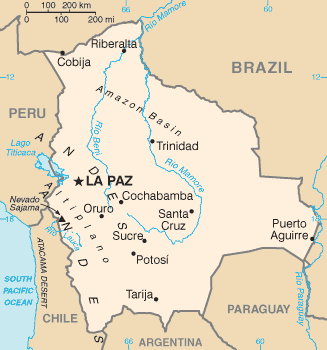



Administrative context
Officially, Bolivian urban centres are organized within a three-tier administrative framework: departments, provinces and municipalities. A municipality may contain one or more urban settlements and rural communities; the municipal seat is generally considered the city for administrative purposes. City status is often linked to municipal law and historical precedent rather than a single population threshold.
Major cities
- Santa Cruz de la Sierra — Bolivia's largest and fastest-growing city, principal economic and industrial center in the lowlands.
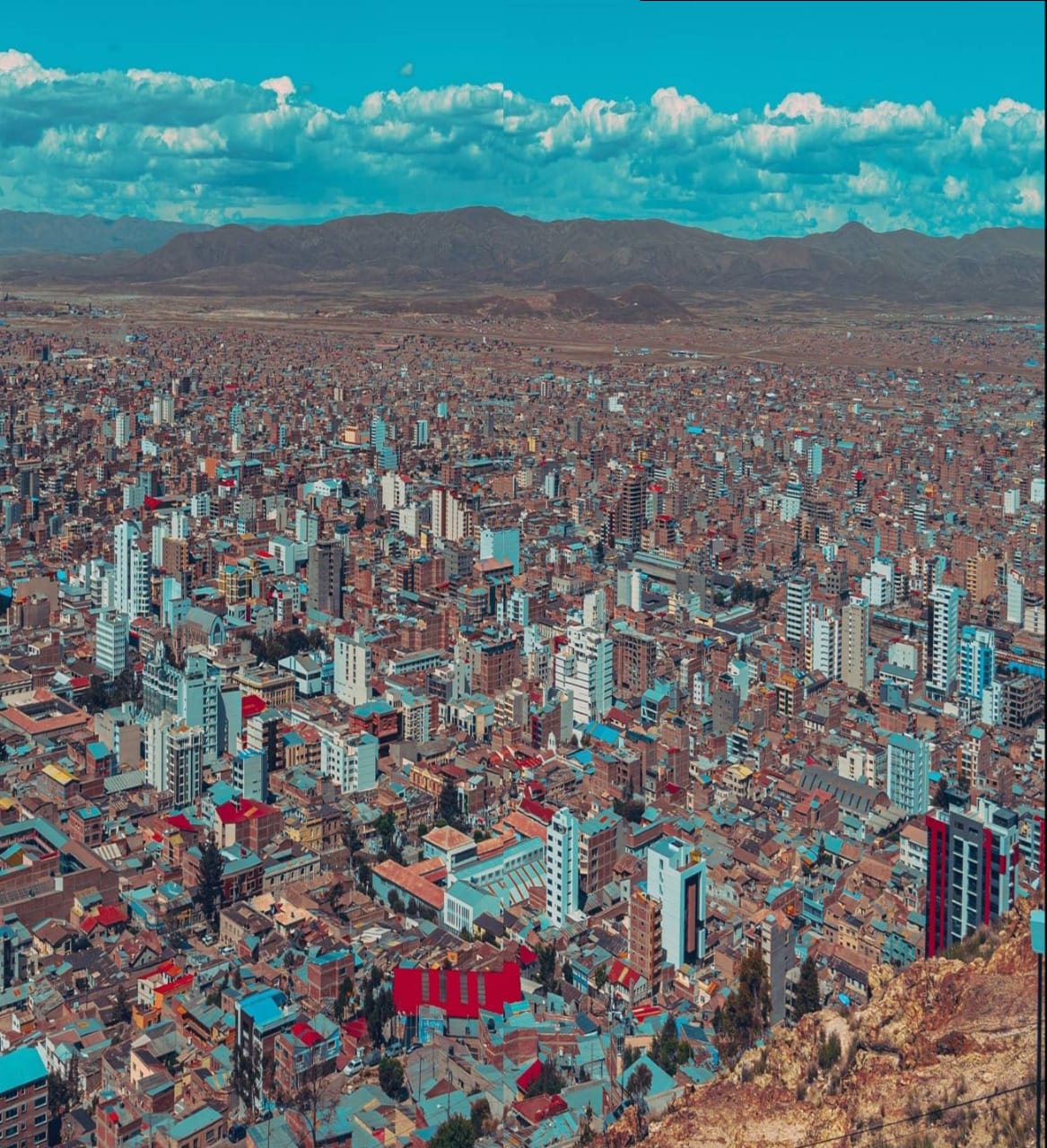
- La Paz — Seat of government and executive institutions, notable for its dramatic topography and high altitude.
- Sucre — Constitutional capital and historic center with colonial architecture and legal institutions.
- El Alto — Adjacent to La Paz, a rapidly expanding highland city with strong indigenous identity and commerce.
- Cochabamba — Central valley city known for agriculture, industry and a temperate climate.
- Potosí, Oruro, Tarija, Trinidad, Cobija — Regional capitals with distinct economic bases: mining, cultural festivals, wine production, riverine services and Amazonian trade.
History and development
Many Bolivian cities grew from colonial mining towns, missionary settlements or indigenous market centers. The 20th and 21st centuries brought internal migration, urban sprawl and the rise of new metropolitan areas, especially in eastern lowlands where economic liberalization and agribusiness stimulated growth.
Economic, cultural and social roles
Cities concentrate government services, education, industry and cultural institutions. Urban areas are linguistically diverse: Spanish is dominant in administration, while Quechua, Aymara and Guaraní remain important in daily life and local politics. Cities host national festivals, markets and transportation hubs linking Bolivia to regional trade routes.
Notable distinctions
Bolivia is unusual in having separate constitutional and governmental capitals (Sucre and La Paz). Altitude differentiates urban life markedly—highland cities face unique climatic and health conditions, while lowland cities emphasize tropical agriculture and forest economies. Urbanization continues to reshape demographics and regional balances across the country.
Questions and answers
Q: What is the text about?
A: The text is a list of cities in Bolivia.
Q: Are there any other types of locations mentioned in the text?
A: No, only cities are mentioned in the text.
Q: Does the text provide any additional information about each city?
A: No, the text only lists the names of the cities.
Q: What is the significance of having a list of cities in Bolivia?
A: The list of cities in Bolivia can be useful for people who are planning to travel to or study the geography of Bolivia.
Q: What are some of the largest cities in Bolivia?
A: Some of the largest cities in Bolivia include Santa Cruz de la Sierra, La Paz, Cochabamba, and Sucre.
Q: How many cities are listed in the text?
A: The text does not provide an exact number, but it lists several cities.
Q: Is this list comprehensive and does it include all the cities in Bolivia?
A: It is unclear whether the list is comprehensive and includes all the cities in Bolivia or only a selection of them.
Related articles
Author
AlegsaOnline.com List of cities in Bolivia Leandro Alegsa
URL: https://en.alegsaonline.com/art/124555