
List of dinosaurs: overview, classification, and notable examples
An organized overview of dinosaurs: definition, major groups, representative genera (including birds), how lists are compiled, doubtful entries, and their scientific importance.
Dinosaurs are members of the clade Dinosauria, a diverse group of archosaurian reptiles that dominated terrestrial ecosystems during the Mesozoic Era. Modern birds are nested within this clade, so many lists of dinosaurs include both traditional non‑avian genera and avian lineages. Comprehensive lists serve as reference tools for taxonomy, paleobiogeography and evolutionary studies.
Image gallery
10 Images

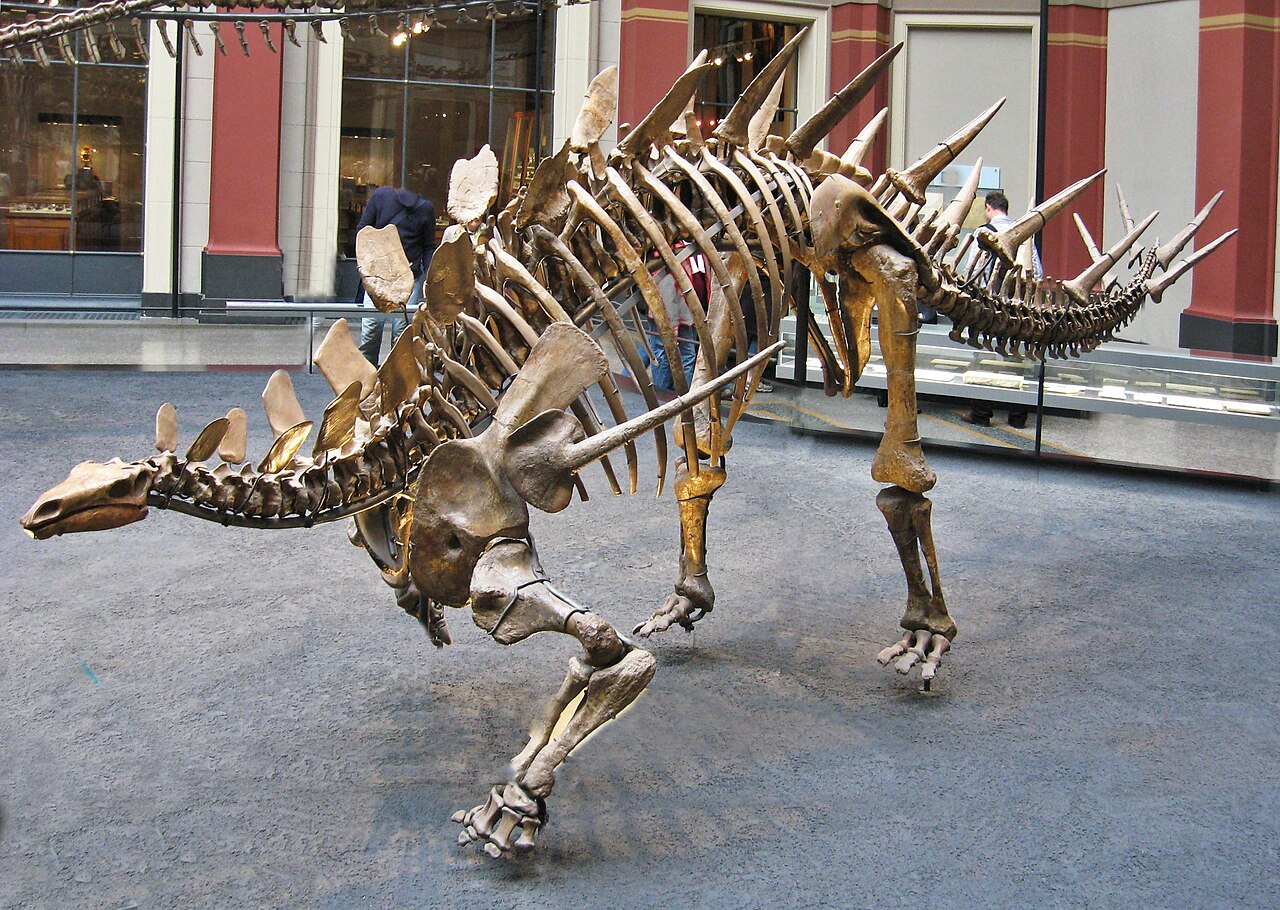


Major groups and characteristics
Dinosaurs are commonly sorted into two large branches based on hip structure and other features: Saurischia and Ornithischia. Within these are familiar subgroups with distinct anatomies, diets and life habits.
- Saurischia — includes theropods (mostly bipedal predators and the ancestors of birds) and sauropodomorphs (long‑necked herbivores).
- Ornithischia — a diverse clade of primarily herbivorous dinosaurs such as horned, plated and armored forms.
Representative genera
Well known genera often appear in general lists because they illustrate key body plans and ecological roles. Examples include Tyrannosaurus, Velociraptor, Triceratops, Stegosaurus and large sauropods such as Brachiosaurus. Early transitional birds such as Archaeopteryx are frequently included because they bridge non‑avian theropods and modern birds.
How lists are organized
Published lists vary by purpose. Common arrangements are alphabetical, by clade or by geological period (Triassic, Jurassic, Cretaceous). Some compilations emphasize geographic occurrence or the completeness of the fossil material. Curators and researchers also flag names that are doubtful or historically misapplied.
Doubtful entries and avian taxa
Not all names are equally secure: fragmentary remains, poorly preserved specimens or outdated naming practices can produce nomen dubium or misidentified taxa. Some Mesozoic birds and birdlike fossils complicate lists because preservation is limited or because classification between avian and non‑avian theropods is debated; such examples are sometimes listed with caution or linked to broader reviews of early birds and avifaunal evolution (see Mesozoic birds).
Beyond serving as inventories, dinosaur lists underpin research into evolution, paleobiology and mass extinction. They help track diversity through time, map ancient ecosystems and document the deep evolutionary roots of birds, feathers and other traits first recognized in fossil taxa.
Related articles
Author
AlegsaOnline.com List of dinosaurs: overview, classification, and notable examples Leandro Alegsa
URL: https://en.alegsaonline.com/art/124663
Sources
- polychora.com : Dinosaur Genera List