
BMW 3 Series: compact executive car introduced in 1975
Overview, development, body styles, engines and the high-performance M3 variant of BMW's long-running compact executive 3 Series, produced since 1975 and now in its seventh generation.
Overview
The BMW 3 Series is a compact executive car introduced by BMW in 1975. Positioned below the 5 Series in BMW's line-up, it combines sporting handling with everyday usability. Over successive redesigns the model has evolved through multiple platforms and powertrains and, as of its most recent redesign, is in its seventh generation. The 3 Series is one of BMW's best-known and most widely sold nameplates worldwide.

Image gallery
10 Images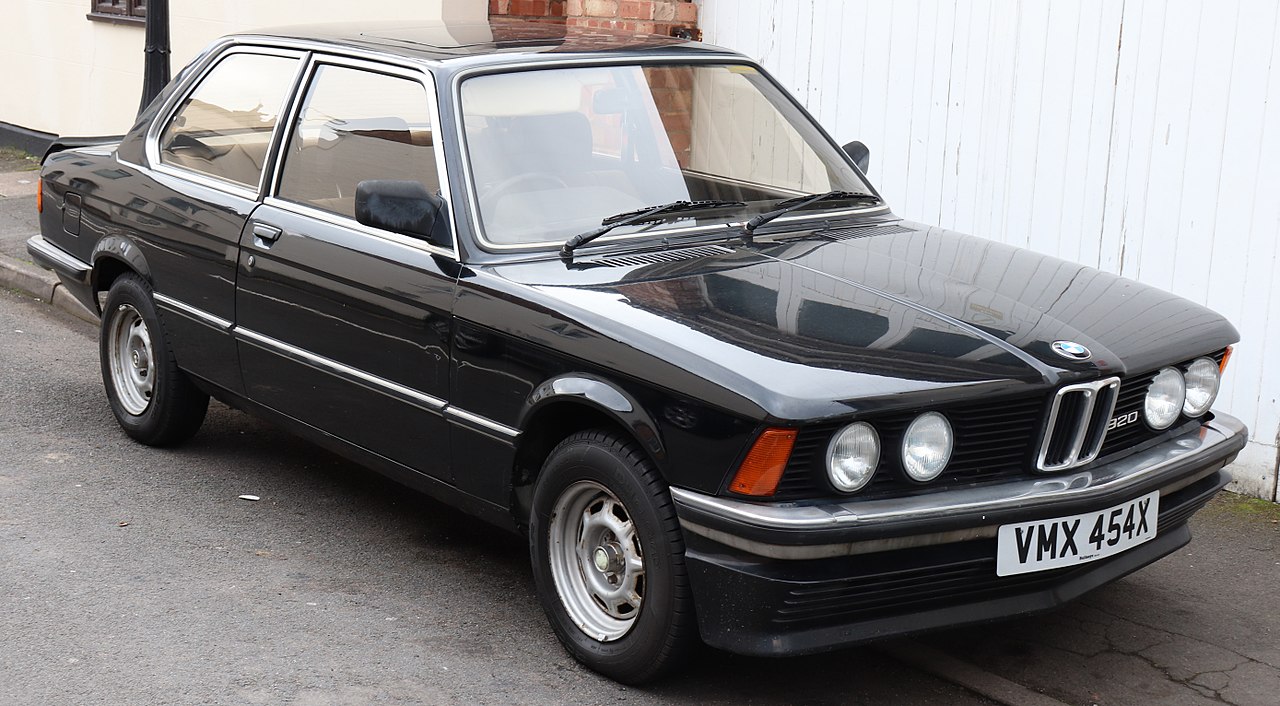


Generations and development
The 3 Series has been produced through a sequence of generational platforms, commonly referred to by their development codes. Each generation updated styling, chassis, safety and drivetrain technology while retaining the model's focus on driver engagement. Major generations include:
- First generation (E21, 1975–1983) – introduced the compact, driver-focused saloon concept; early models established the 3 Series character.
- Second generation (E30, 1982–1994) – broadened the range with coupe and convertible forms and is remembered for its motorsport success.
- Third generation (E36, 1990s) – applied more modern aerodynamics and interior refinements.
- Fourth generation (E46, late 1990s–2006) – praised for balanced handling and strong sales; served as a benchmark for its class.
- Fifth generation (E90 family, mid-2000s) – included sedan, touring (estate), coupe and convertible derivatives; gradually introduced more electronic aids.
- Sixth generation (F30 family) – further emphasis on efficiency, turbocharged engines and expanded technology features.
- Seventh generation (G20 family) – the latest mainstream 3 Series iteration, with modern infotainment, safety systems and available electrified powertrains.
- In parallel with these, several facelifts and special editions refreshed the range during each generation. The two-door coupe and convertible bodystyles were in later years split into the separate 4 Series line.


Design, chassis and powertrains
Throughout its lifespan the 3 Series has been offered in multiple body styles: saloon (sedan), coupe, convertible, and estate (Touring). Engines initially emphasized naturally aspirated petrol units, later expanding to include diesel options, turbocharged petrol and diesel engines, and, in recent generations, plug-in hybrid variants. Rear-wheel drive has been the traditional layout, with all-wheel-drive versions also made available for improved traction. Over time the model has incorporated electronic stability control, advanced infotainment and driver-assistance technologies as they became industry standards.
Variants and the M3
A distinctive strand in 3 Series history is the M3, a high-performance variant developed by BMW's M division. The M3 has traditionally featured more powerful engines, upgraded suspensions, stronger brakes and unique styling cues to deliver track-capable performance in a road-legal package. BMW has produced M-badged versions across multiple 3 Series generations, and the M3 name is strongly associated with motorsport and enthusiast communities. For more on the factory performance models see M3.
Market position and legacy
The 3 Series competes in the compact executive segment against rivals from other premium marques. Its balance of dynamics, refinement and everyday practicality has helped it maintain strong market presence for decades. It has been used as company cars, family transport and enthusiast vehicles, and it has a significant presence in touring car racing and private motorsport. The model's influence extends to BMW's design language and engineering priorities, shaping the brand's identity as a maker of driver-oriented luxury cars. Historical details and model timelines are available through BMW's heritage resources: history and archives.
Notable distinctions
- The 3 Series is widely regarded as a benchmark for handling in its class.
- It spawned the M3 performance subline, which has its own devoted following.
- Across generations it illustrates broader industry trends: downsizing and turbocharging, growing electronic assistance, and the introduction of electrified drivetrains.
As an enduring product line, the BMW 3 Series demonstrates how a model can evolve technologically and stylistically while maintaining a clear identity centered on driving dynamics and everyday usability.
Related articles
Author
AlegsaOnline.com BMW 3 Series: compact executive car introduced in 1975 Leandro Alegsa
URL: https://en.alegsaonline.com/art/12436