
Les Paul: guitarist, recording innovator and creator of the solid-body electric guitar
Les Paul (Lester William Polsfuss, 1915–2009) was an American guitarist and inventor whose designs and studio techniques shaped modern electric guitar sound and multitrack recording.
Les Paul (born Lester William Polsfuss) was an American musician and innovator whose work bridged performance, instrument design and studio engineering. Born in Waukesha, Wisconsin in 1915, he became widely known both for pioneering recording techniques and for the solid‑body guitar that bears his name. He remained active in performance and advocacy for the instrument throughout his life.
Image gallery
9 Images







Recording innovations
Paul was an early experimenter with techniques that are now standard in studios. He developed methods for overdubbing, multi‑track recording, and tape delay—approaches that allow a single performer to layer multiple parts and create new textures. His hands‑on work in home and commercial studios helped move recording from a live, single‑take art toward the layered, produced recordings common today.
Guitar design and the Gibson Les Paul
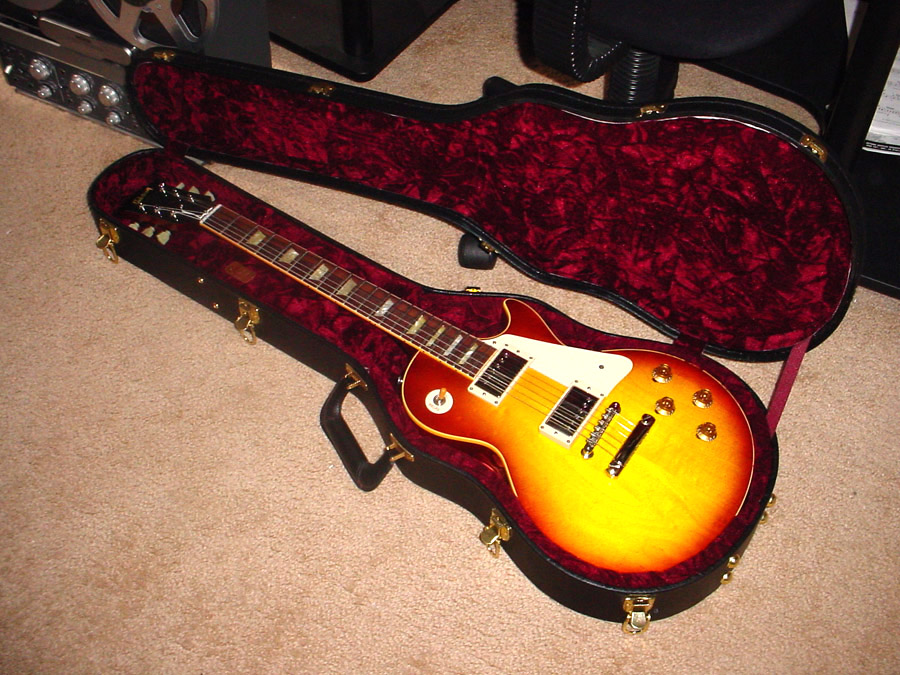
Concerned with feedback and sustain issues faced by hollow‑body instruments, Paul created prototypes of a solid‑body electric guitar—most famously a design nicknamed "The Log"—that emphasized sustain and reduced unwanted resonance. The American company Gibson later produced a signature model, the Gibson Les Paul, which became one of the most recognized electric guitars in popular music. Typical characteristics associated with Les Paul–style instruments include a solid mahogany body (often with a maple top), set neck construction and a tone favored for rock, blues and jazz.
Career and collaborations
Paul performed in a variety of musical settings, from early jazz and country bands to popular recordings and television. He achieved commercial success in the 1950s with his wife and musical partner Mary Ford; their records showcased both his playing and his studio innovations. Throughout his career he continued to appear as a solo performer, session player and public advocate for guitarists and recording technology.
Legacy and later life
Les Paul's influence is evident in instrument design, recording practice and the sound of modern electric music. The guitar that carries his name remains a standard model for many players, and his studio techniques are foundational to contemporary production. Paul died at age 94 of complications from pneumonia at White Plains Hospital in New York in 2009, leaving a legacy celebrated by musicians, engineers and instrument makers.
Notable facts
- Born Lester William Polsfuss in 1915; performed professionally under the name Les Paul.
- Developed early multitrack and overdubbing methods that changed studio practice.
- Collaborated with manufacturers to produce a commercially successful solid‑body guitar still associated with rock music.
- Worked across genres, from jazz and country to popular recorded music, influencing generations of players.
For further reading on his life, recordings and instruments see dedicated music histories and instrument reference works; contemporary summaries and archival collections preserve recordings, photographs and technical notes documenting his experiments and designs.
Related articles
Author
AlegsaOnline.com Les Paul: guitarist, recording innovator and creator of the solid-body electric guitar Leandro Alegsa
URL: https://en.alegsaonline.com/art/124307
Sources
- idiomag.com : "Music Great Les Paul Dies at 94"