
LeRoy Neiman: American Painter Known for Vibrant Sports and Entertainment Art
Profile of LeRoy Neiman (1921–2012), an American artist famed for colorful, energetic paintings and screen prints of athletes, musicians and sporting events, and his popular influence on visual culture.
Overview
LeRoy Neiman (born Leroy Leslie Runquist; June 8, 1921 – June 20, 2012) was an American artist celebrated for bold, exuberant imagery that captured the motion and spectacle of contemporary sport and entertainment. He adopted the professional name LeRoy Neiman and built a career marked by vivid color, graphic composition and wide public recognition. He was born in St. Paul, Minnesota and later worked extensively in major cultural centers.
Image gallery
2 Images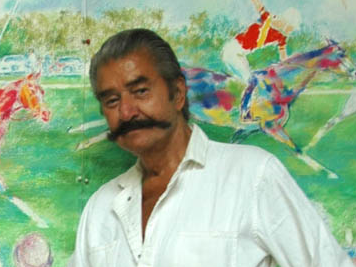

Style and Technique
Neiman's work is often described as expressionist and highly chromatic. He favored energetic brushstrokes, layered paint, and techniques that translated well into editions and reproductions. In addition to oil paintings he produced numerous screen prints and serigraphs, which helped bring his work into homes, commercial spaces and institutions. Reproduction processes were central to his reach: many collectors encountered Neiman through prints, posters and magazine illustrations rather than only through one-of-a-kind canvases. See examples of his printmaking approach in discussions of screen prints.
Subjects and Characteristic Elements
Neiman concentrated on subjects that emphasize movement, color contrasts and atmosphere. His most frequent themes include athletes and sporting events, live music, and scenes from leisure and nightlife. He rendered performers and competitors with simplified forms and animated lines to convey speed and excitement.
- Sports: boxing, horse racing, football and basketball among recurring motifs.
- Music and nightlife: jazz musicians, concert scenes and club interiors.
- Commercial art crossover: posters, magazine work and commissioned event paintings.
His portrayals of athletes are notable for emphasizing the drama of competition rather than strict photographic realism.
Career and Development
Neiman emerged in the mid-20th century art world at a moment when mass media and popular culture were reshaping visual consumption. He found a niche between fine art and illustration, producing work that appealed to both art buyers and a broad public audience. His imagery was widely circulated in galleries, commercial prints and public displays, contributing to his reputation as an accessible, populist figure in American art. His origins in St. Paul and his chosen professional identity reflect a personal reinvention common among artists seeking broader recognition.
Legacy and Reception
LeRoy Neiman's legacy is twofold: he is remembered for a distinctive visual language that celebrated motion and spectacle, and for bringing art about sport and entertainment into mainstream visibility. Collectors and institutions hold his work, while critics have debated the boundary between popular appeal and fine-art seriousness. Neiman continued to produce and exhibit work throughout his life and died of natural causes in New York City, New York, at age 91. His paintings and prints remain reference points in discussions of American color, commerce and the depiction of athletic performance.
Related articles
Author
AlegsaOnline.com LeRoy Neiman: American Painter Known for Vibrant Sports and Entertainment Art Leandro Alegsa
URL: https://en.alegsaonline.com/art/124282