
Lal Bahadur Shastri
Indian statesman who served as Prime Minister (1964–1966); known for simplicity, the slogan "Jai Jawan Jai Kisan", leadership during the 1965 war, the Tashkent talks, and his sudden death in 1966.

Overview
Lal Bahadur Shastri (2 October 1904 – 11 January 1966) was an Indian politician and a senior leader of the Indian National Congress. He became the country's second Prime Minister after the death of Jawaharlal Nehru and served from 1964 until his death in 1966. Shastri is remembered for his austere personal habits, straightforward manner, and emphasis on national self-reliance.
Image gallery
10 Images




Early life and name
Shastri adopted the title "Shastri," which denotes learning, after completing studies in Sanskrit and philosophy. Born in the region that is now Uttar Pradesh, he was involved in the Indian independence movement and later moved into public service with a reputation for simplicity and discipline.
Political career and priorities
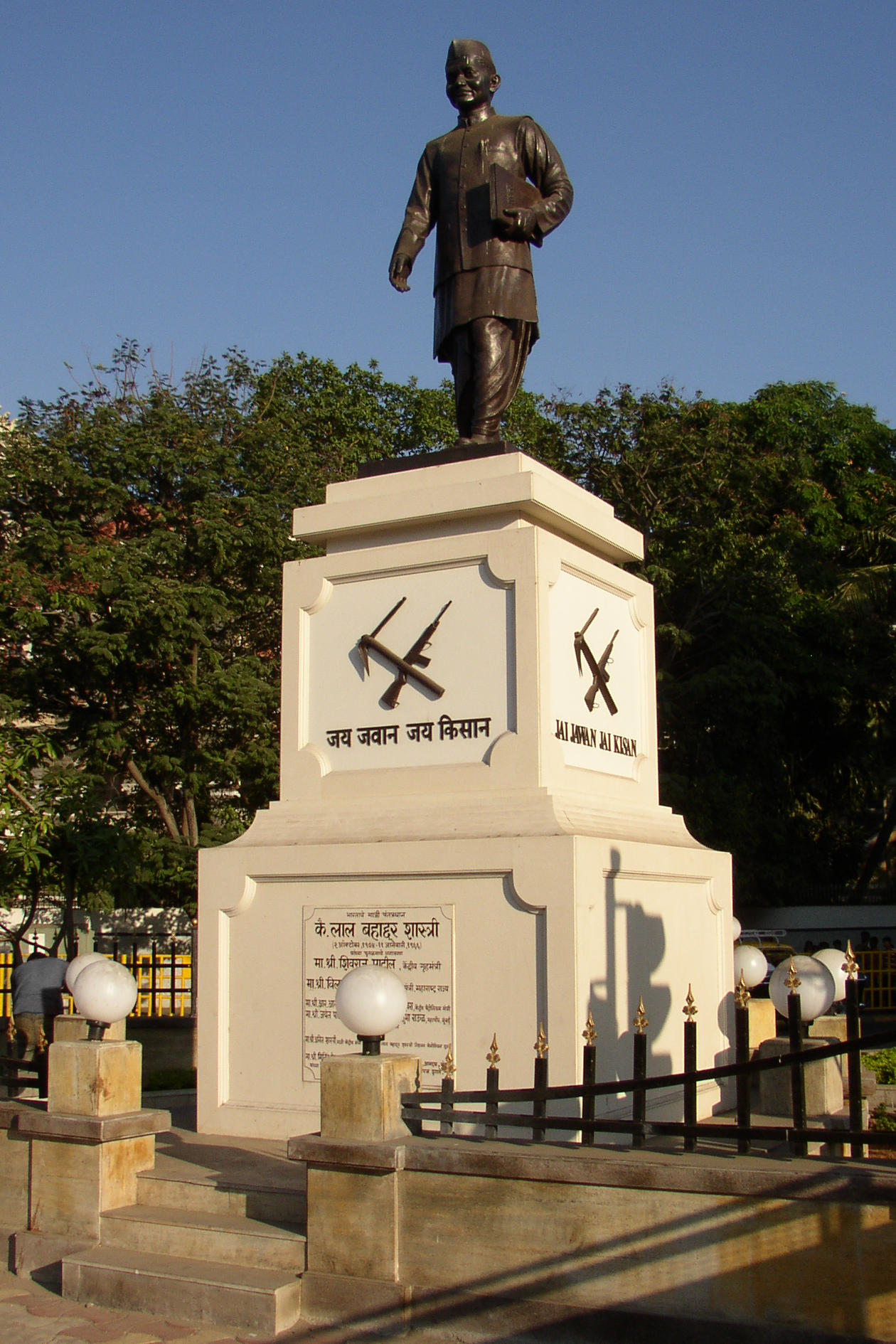
During his public life he held several important cabinet positions before becoming prime minister. His administration stressed agricultural productivity, food security, and the improvement of public services. He popularized the slogan "Jai Jawan Jai Kisan" (Hail the soldier, Hail the farmer) to emphasize the equal importance of defence and agriculture for national strength.
Major events: 1965 war and Tashkent
Shastri led India during the 1965 conflict with Pakistan, a period that tested the young republic's military and political resolve. After active hostilities, he took part in peace negotiations that culminated in the Tashkent talks mediated with international involvement; the agreement was announced shortly before his death in Tashkent.
Death and controversies
Shastri died suddenly in Tashkent on 11 January 1966. Official reports cited a heart attack, but his unexpected death spawned questions and conspiracy theories that persist in public discussion. His passing while abroad and the limited release of medical details contributed to continued debate.
Legacy and notable facts
- Second Prime Minister of India: office and role.
- Senior Congress leader: Indian National Congress.
- Tashkent: site of the peace talks where he died: Tashkent.
- Negotiations involved Cold War-era actors, including links to the Soviet Union.
Shastri's reputation rests on his integrity, modest lifestyle, and commitment to national service. He remains a widely cited example of moral leadership in modern Indian politics and a symbol of resolve during a difficult period in the country's early decades of independence.
Related articles
Author
AlegsaOnline.com Lal Bahadur Shastri Leandro Alegsa
URL: https://en.alegsaonline.com/art/123972
Sources
- bbc.co.uk : "Was Mr Shastri murdered"