
Lamar Alexander
American Republican politician; governor of Tennessee, U.S. senator (2003–2021), and U.S. Secretary of Education; noted for focus on education policy, institutional leadership, and two presidential bids.
Andrew Lamar Alexander Jr. (born July 3, 1940) is an American Republican politician whose public career spans state and federal offices. He represented Tennessee in the United States Senate from 2003 until 2021. Earlier in his career he served two terms as governor of Tennessee and later held a Cabinet post as U.S. Secretary of Education. Alexander has been widely regarded as a pragmatic conservative with a particular emphasis on education policy and institutional leadership.
Image gallery
10 Images


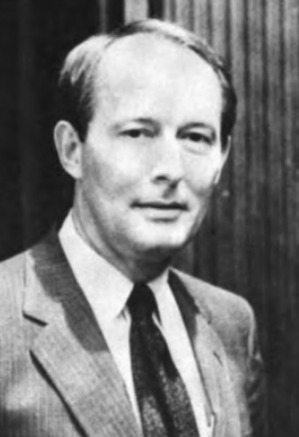

Career overview
Alexander's long public life includes executive, administrative, and legislative roles. He was governor of Tennessee during the late 1970s and 1980s and headed a major public university before joining the presidential Cabinet. In the Senate he rose to a leadership post as the Republican Conference Chair and played an active role on a number of high-profile issues, often seeking bipartisan solutions.
Policy interests and approach
Throughout his career Alexander emphasized education reform, workforce development, and steady institutional management. His style has been characterized as moderate-conservative and collegial: he frequently highlighted the need to build coalitions across party lines and to pursue practical, incremental change rather than sharp ideological battles. As a legislator he engaged with federal education policy and with subjects that affect his home state, including economic and infrastructure matters.
Presidential campaigns and later years
Alexander sought the Republican presidential nomination on two occasions, entering the fields in the mid-1990s and again around 2000. Those campaigns were short-lived and focused on national education goals and managerial competence. He announced in December 2018 that he would not seek re-election in 2020 and left the Senate when his term ended in 2021.
Legacy and distinctions
His public record is notable for its duration and for the variety of offices he held: state governor, university president, Cabinet secretary, and U.S. senator. Observers often point to his emphasis on education and institutional reform as a throughline. He also served as Senate Republican Conference Chair from 2007 to 2012, a role that placed him among formal Senate leadership during that period.
Further reading
- Official biography and overview
- Senate service and legislative record
- Tennessee political career
- Republican Party leadership roles
- 1996 presidential campaign materials
- 2000 presidential campaign materials
Note: This article summarizes widely reported facts about Lamar Alexander's public service and conservative-leaning, coalition-building approach to governance. For in-depth documentation, consult the sources linked above and official archival materials.
Related articles
Author
AlegsaOnline.com Lamar Alexander Leandro Alegsa
URL: https://en.alegsaonline.com/art/123975