
Kenneth Kaunda: Zambia’s First President and Postcolonial Statesman
Biography of Kenneth D. Kaunda (1924–2021), Zambia’s founding president, his political career, policies, role in the Non‑Aligned Movement, and legacy.
Kenneth David Kaunda (commonly called "KK") was a prominent Zambian statesman who served as the country’s first head of state after independence. A former teacher who became a nationalist leader, Kaunda guided Northern Rhodesia through the transition to the independent Republic of Zambia and remained a central figure in Zambian politics for decades.
Image gallery
10 Images


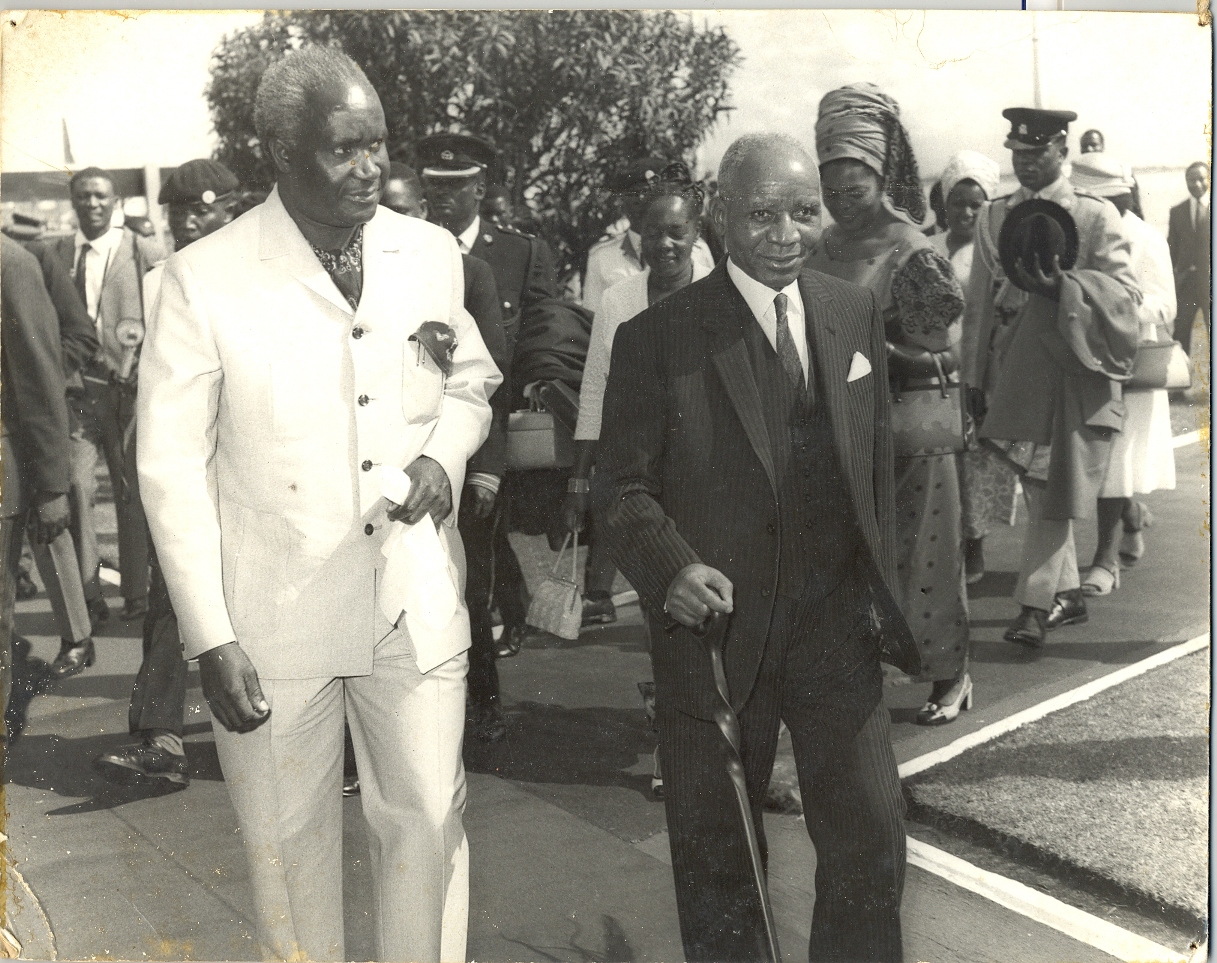


Early life and political rise
Born in 1924, Kaunda began his career as an educator and community organizer. He entered politics during the late colonial era, helping to build a broad movement that sought an end to British rule in Northern Rhodesia. Kaunda became leader of the United National Independence Party (UNIP) and led the independence campaign that culminated in the creation of Zambia in 1964. He assumed the new nation’s presidency and set out to define the direction of a postcolonial state.
Presidency, ideology and policies
As president, Kaunda promoted a political philosophy often called "Zambian humanism," which combined elements of African communalism and state-led development. His government introduced centralized economic planning and took steps to bring key industries under state control, especially in the copper sector, which dominated Zambia’s economy. In the 1970s Kaunda moved the country toward a one‑party system under UNIP, arguing that national unity and development required political cohesion.
Regional and international role
Kaunda was active in international diplomacy and the movement of non‑alignment that sought an independent course during the Cold War. He served in leadership roles within that movement and used Zambia as a base of political support for liberation organizations in southern Africa. His foreign policy emphasized independence from both East and West blocs and solidarity with other anti‑colonial struggles.
Later years and legacy
Economic difficulties, falling copper prices and rising domestic discontent eroded popular support for Kaunda. In multi‑party elections held in 1991 he was defeated and relinquished office, ending nearly three decades in power. In later years he remained an elder statesman and an outspoken voice on regional concerns. Kaunda died on 17 June 2021 in a hospital in Lusaka from pneumonia, at the age of 97.
Notable facts and distinctions
- First president of independent Zambia.
- Served as a senior figure in the Non‑Aligned Movement during the early 1970s; he held an organizational leadership post while pursuing a nonaligned foreign policy and solidarity with liberation movements (President and international roles).
- Associated with the political approach known as Zambian humanism and with decades of one‑party rule before the restoration of multiparty democracy.
Kaunda’s long tenure shaped Zambia’s early institutions and its regional posture. Historians and political analysts assess his record as a mixture of nation‑building achievements and controversial political centralization, set against the wider economic and geopolitical challenges of the late 20th century.
Related articles
Author
AlegsaOnline.com Kenneth Kaunda: Zambia’s First President and Postcolonial Statesman Leandro Alegsa
URL: https://en.alegsaonline.com/art/123563
Sources
- search.eb.com : search.eb.com/eb/article-3849.html