
Kazi Nazrul Islam: Bengali Rebel Poet, Musician, and National Icon
Kazi Nazrul Islam (1899–1976) was a Bengali poet, composer and anti‑colonial activist known as the “Rebel Poet”. He created radical poetry and music, promoted communal harmony, and is Bangladesh’s national poet.
Kazi Nazrul Islam (24 May 1899 – 29 August 1976) is one of the most influential figures in modern Bengali literature and music. Commonly called the "Rebel Poet" (Bidrohi Kobi), he gained fame for stirring, defiant verse and a large body of songs that combined political passion with spiritual and romantic themes. Nazrul's work helped shape early 20th‑century Bengali cultural life and remains widely performed and studied.
Image gallery
10 Images

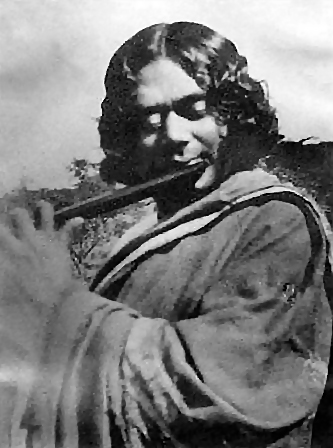


Life and development
Nazrul was born in a village in the Bengal Presidency and spent formative years amid both rural and urban Bengali culture. He served briefly in the British Indian Army during the First World War, an experience that exposed him to global events and anti‑colonial feeling. On returning to civilian life he worked as a journalist, editor and writer, producing poetry, short fiction, plays and musical compositions. His early reputation rested on poems and periodicals that criticized imperial rule and social injustice; for several of these activities he was arrested by colonial authorities.
Major themes and works
Nazrul's work is notable for its range: revolutionary politics sits alongside devotional mysticism and ardent love lyrics. His best‑known poem, "Bidrohi" ("The Rebel"), became emblematic of resistance to oppression. He wrote in many forms and also composed melodies for his poems, giving rise to a distinctive body of songs known collectively as Nazrul Geeti. These songs draw on classical, folk and devotional traditions — including influences from Sufi and Vaishnava practice — and introduced new rhythms and lyrical styles into Bengali music.
- Genres: poetry, songs, novels, essays, plays.
- Themes: anti‑colonialism, social justice, human dignity, religious pluralism.
- Musical legacy: hundreds of compositions that remain part of Bengal’s concert and radio repertoire.
Historical context and impact
Writing during the decades of anti‑colonial struggle, Nazrul articulated an uncompromising stance against imperial domination and rising forms of fascism and authoritarianism in his time — a perspective often discussed in studies of his political poetry and public interventions (further reading on his political themes). His calls for equality and unity across religious and social lines made him a symbol of secular humanism in Bengal.
After a long productive career, Nazrul’s creative output was curtailed by a progressive neurological illness in the mid‑20th century that reduced his ability to write and speak. Following the independence of Bangladesh in 1971 he returned there and was formally honored as the national poet; his life and works continue to be commemorated in Bangladesh (national recognition) and celebrated in parts of India and among Bengali communities worldwide (commemorations in India).
Legacy and distinctions
Nazrul’s legacy endures in several realms: literary scholarship, performance tradition, and public memory. His nickname, the Rebel Poet, reflects both the tone of particular poems and a lifelong engagement with radical social ideas. Musicians and scholars continue to perform and reinterpret Nazrul Geeti; students read his poems as part of the Bengali literary canon; and cultural institutions maintain archives, concerts and publications devoted to his work.
Because he crossed poetic, musical and political boundaries, Kazi Nazrul Islam remains a central figure for anyone studying Bengali culture, anti‑colonial literature, and the interplay of art and social change in South Asia.
Questions and answers
Q: Who was Kazi Nazrul Islam?
A: Kazi Nazrul Islam was a Bengali poet, musician and revolutionary who is known as the "Rebel Poet".
Q: What did he write about in his poems?
A: Kazi Nazrul Islam wrote poems about intense spiritual rebellion against fascism and oppression.
Q: When was he born?
A: Kazi Nazrul Islam was born on 24 May 1899.
Q: When did he die?
A: He died on 29 August 1976.
Q: Is he remembered today?
A: Yes, Kazi Nazrul Islam is commemorated in India and Bangladesh, where he is the national poet.
Q: What other titles does he have besides "Rebel Poet"?
A: Besides being known as the "Rebel Poet", Kazi Nazrul Islam is also the national poet of Bangladesh and is commemorated in India.
Related articles
Author
AlegsaOnline.com Kazi Nazrul Islam: Bengali Rebel Poet, Musician, and National Icon Leandro Alegsa
URL: https://en.alegsaonline.com/art/123463
Sources
- en.banglapedia.org : "Kazi Nazrul Islam"