
Katharine Houghton — American actress known for Guess Who's Coming to Dinner
Katharine Houghton (born 1945) is an American actress best known for playing Joanna Drayton in the 1967 film Guess Who's Coming to Dinner; her career spans film, television and stage work.
Overview
Katharine Houghton (born March 10, 1945) is an American actress whose work in the 1960s and beyond included film, television and stage. She is most widely recognized for the part of Joanna Drayton in the landmark 1967 drama Guess Who's Coming to Dinner, a film that confronted racial attitudes in the United States. For a compact biographical summary see biographical sources linked by major reference sites.
Image gallery
1 Image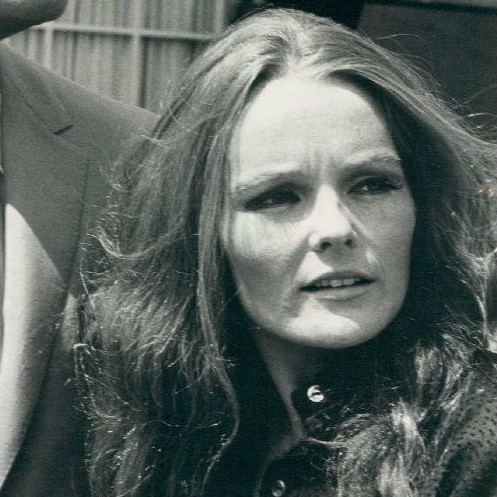
Early life
Houghton was born in Hartford, Connecticut and raised in New England. Her upbringing in that region preceded a move into professional acting during the 1960s. Contemporary profiles note her early training and stage experience, which helped prepare her for both screen and theater roles. Additional context about her birthplace and background can be found at local and regional records related to Hartford.
Breakthrough role
Houghton's best-known screen performance is as Joanna Drayton, the young woman engaged to Sidney Poitier's character in Guess Who's Coming to Dinner. The role placed her opposite veteran stars such as Spencer Tracy and Katharine Hepburn and made her part of a film widely discussed for its treatment of interracial marriage and social change in the 1960s. Readers seeking more on that film's production and cultural impact can consult film-focused pages about the movie.
Career and later work
Beyond her 1967 breakthrough, Houghton's career included a combination of screen and stage engagements. She appeared in a handful of other films and made guest appearances on television, while continuing to perform in regional and off-Broadway theatre productions. Her professional activities can be summarized as:
- Feature film roles and supporting parts.
- Television guest appearances and occasional series work.
- Theatrical performances in regional and New York stages.
For a compact list of credits and projects, consult filmographies and career summaries hosted at general entertainment references listing her roles.
Legacy and notable facts
Katharine Houghton remains chiefly noted for her association with a film that entered public conversations about race and marriage in American cinema. While she did not become a household name to the same degree as some contemporaries, her performance is frequently cited in discussions of generational perspectives in 1960s films. Her career illustrates the path of a working actor whose roles bridged popular cinema and committed stage work.
Related articles
Author
AlegsaOnline.com Katharine Houghton — American actress known for Guess Who's Coming to Dinner Leandro Alegsa
URL: https://en.alegsaonline.com/art/123389