
Katharine Ross
American actress Katharine Ross (born 1940), known for The Graduate and Butch Cassidy and the Sundance Kid. Academy Award nominee; BAFTA and Golden Globe winner noted for film and television work since the 1960s.
Katharine Juliet Ross (born January 29, 1940) is an American actress whose work in the late 1960s and 1970s brought her international recognition. She rose to prominence with a breakthrough supporting role in Mike Nichols's film The Graduate (1967), for which she received an Academy Award nomination as Best Supporting Actress. Ross's screen presence and understated performances established her as one of the era's most visible leading women.
Image gallery
6 Images


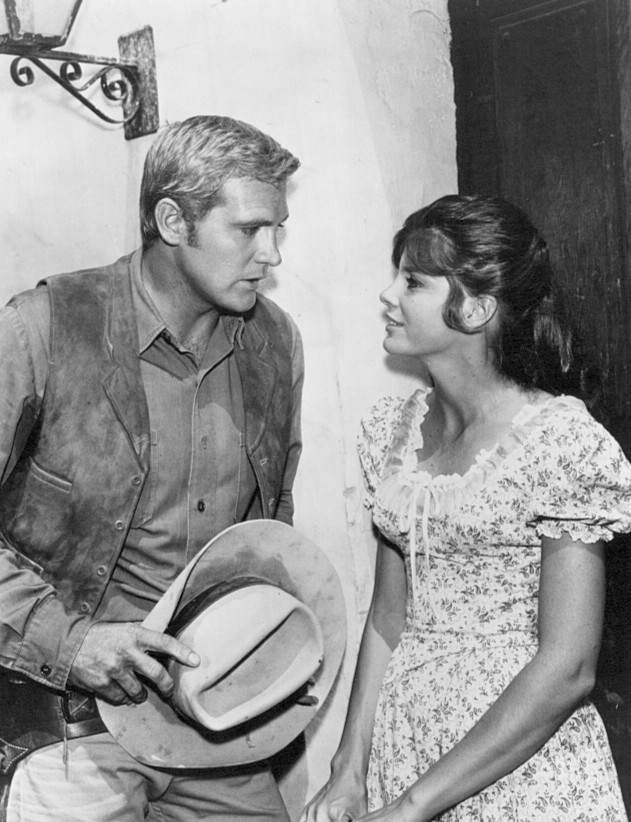
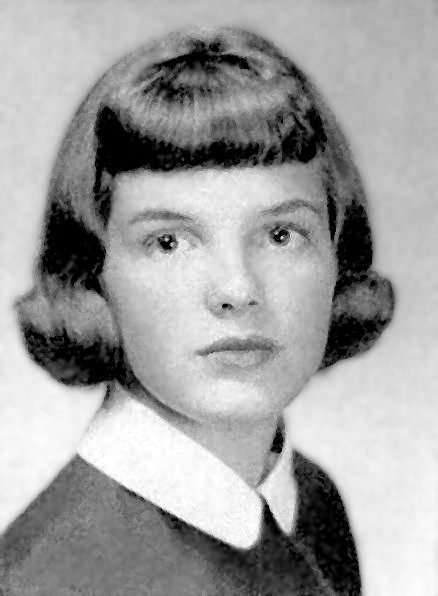
Career highlights
Ross has appeared primarily in feature films, often in roles that balance quiet dignity with emotional strength. Among her best-known parts are:
- Elaine Robinson in The Graduate (1967) — a defining part that brought critical attention and an Academy Award nomination for Best Supporting Actress (Academy Award nomination).
- Etta Place in Butch Cassidy and the Sundance Kid (1969) — a role that earned her a BAFTA Award for Best Actress and wide popular recognition.
- Joanna Eberhart in The Stepford Wives (1975) — a central part in a satirical thriller that became a cultural touchstone.
- A performance in Voyage of the Damned (1976) that was honored with a Golden Globe award, further confirming her range across contemporary and historical stories.
Artistic profile and significance
Ross is often noted for a restrained, naturalistic acting style: she conveys emotion through small gestures and a controlled delivery rather than overt theatrics. Casting frequently placed her opposite leading men in both romantic and dramatic narratives, yet she also chose parts that required resilience and moral clarity. Her work in several landmark films of the 1960s and 1970s connects her to a period of American cinema known for social change and stylistic experimentation.
Origins and development
Ross began her professional career in the 1960s and achieved wide visibility within a few years. Her early film and television appearances led to steady offers from mainstream studios and independent producers alike. The combination of a high-profile breakout and award recognition in rapid succession helped sustain a career that includes film, television, and occasional stage work.
Legacy and later activity
Over decades, Katharine Ross has been recognized for both popular and critical accomplishments. Her awards — including a BAFTA and a Golden Globe and an Academy Award nomination — underscore a career that mattered to audiences and to her peers. Later in life she continued to act in a variety of screen projects, occasionally returning to television and film roles that capitalized on her established screen identity.
For more on the films and honors that marked her career, see the entries for The Graduate, the record of her Academy Award nomination, and the production history of Butch Cassidy and the Sundance Kid.
Related articles
Author
AlegsaOnline.com Katharine Ross Leandro Alegsa
URL: https://en.alegsaonline.com/art/123391
Sources
- californiabirthindex.org : California Birth Index, 1905–1995. Center for Health Statistics, California Department of Health Services, Sacramento, California