
Kaïs Saïed — Tunisian jurist, constitutional scholar and president
Kaïs Saïed (born 22 February 1958) is a Tunisian constitutional law professor, jurist and politician who was elected president in 2019 and whose tenure has reshaped Tunisia's political landscape.
Overview
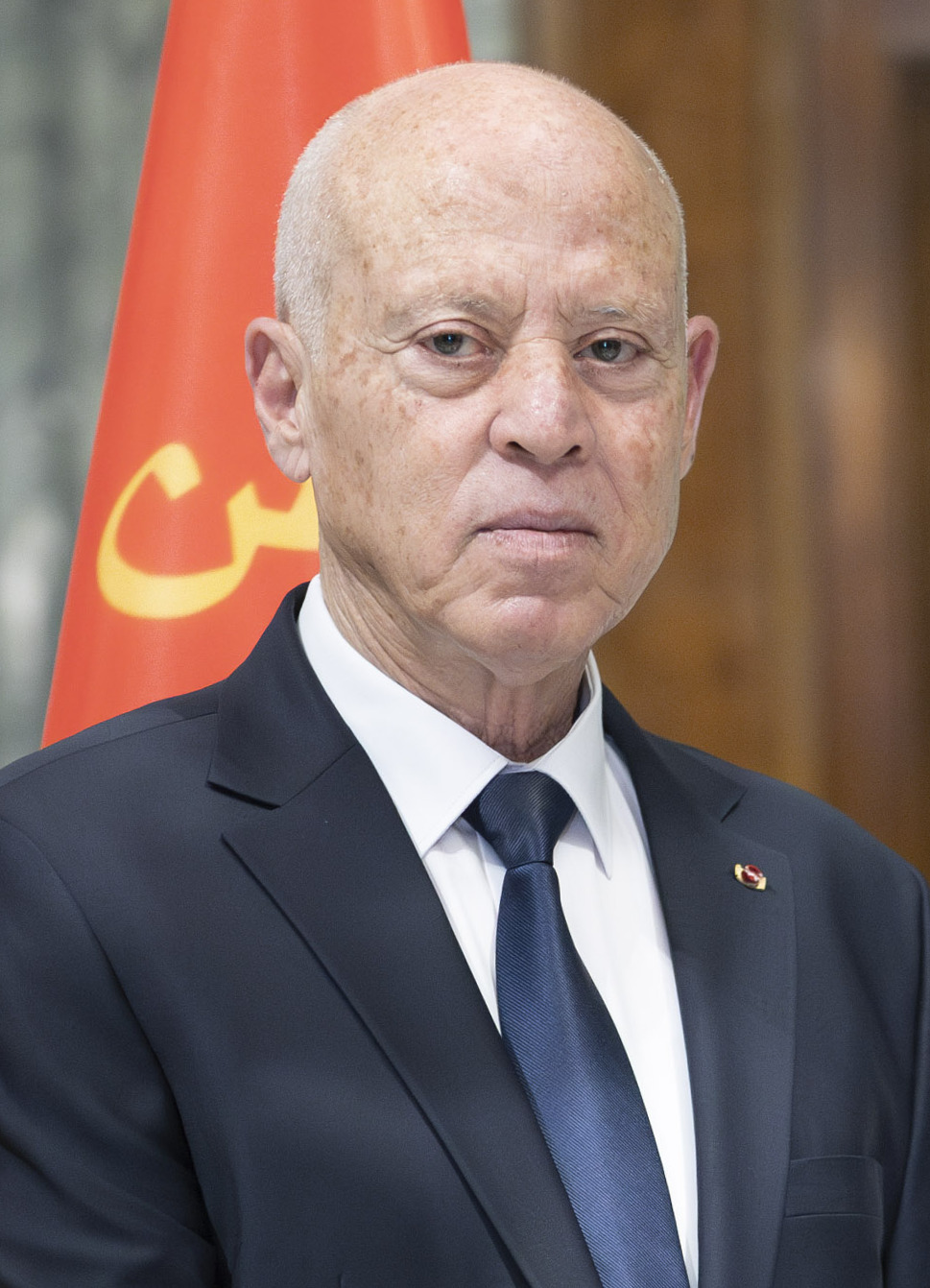
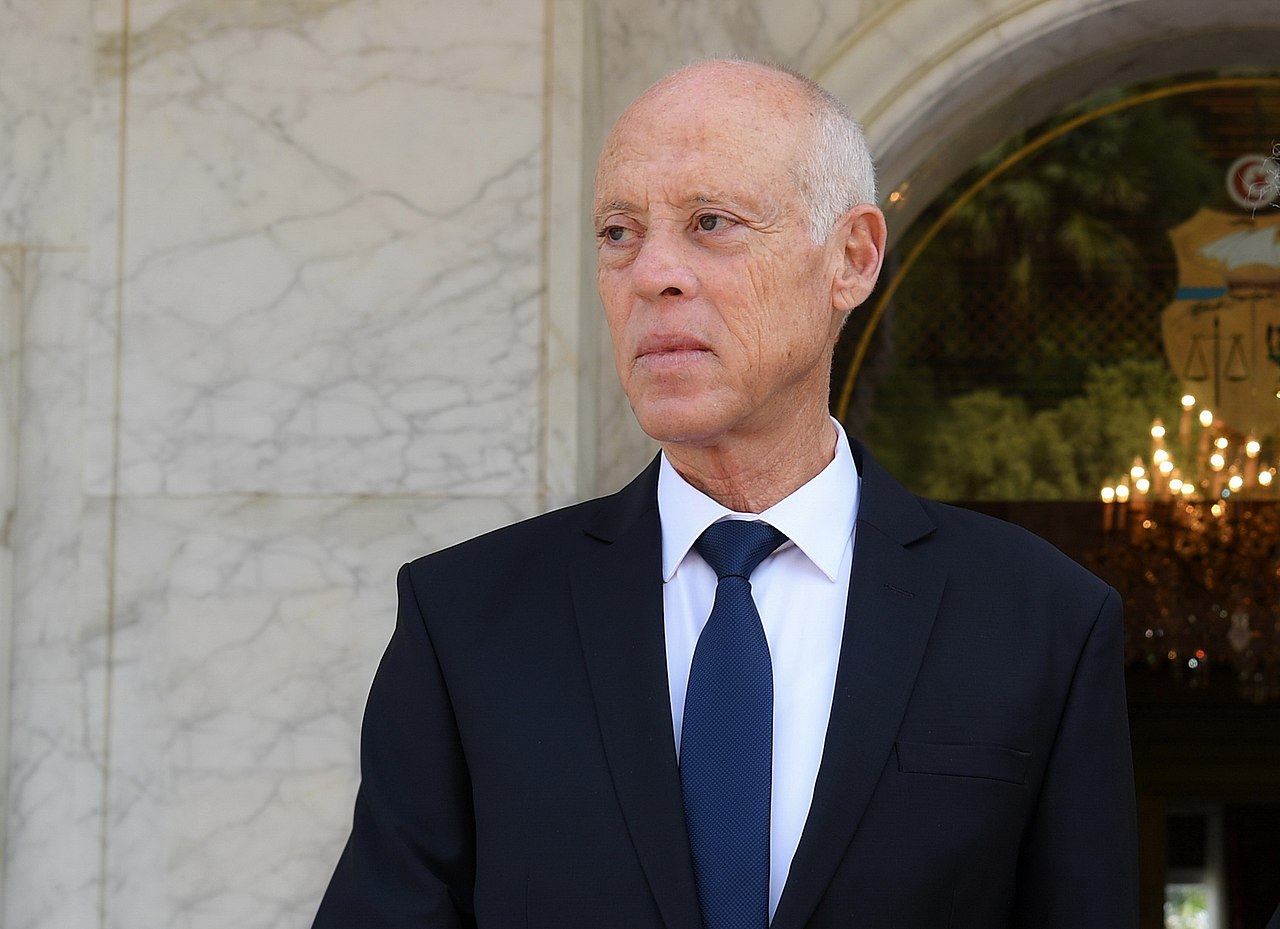
Kaïs Saïed (Arabic: قيس سعيد) (born 22 February 1958) is a Tunisian legal scholar and public figure. A professor of constitutional law and a jurist by training, he was elected as an independent candidate to serve as the sixth President of Tunisia in October 2019 after winning the 2019 presidential ballot as an outsider and anti-establishment contender (2019 election).
Image gallery
8 Images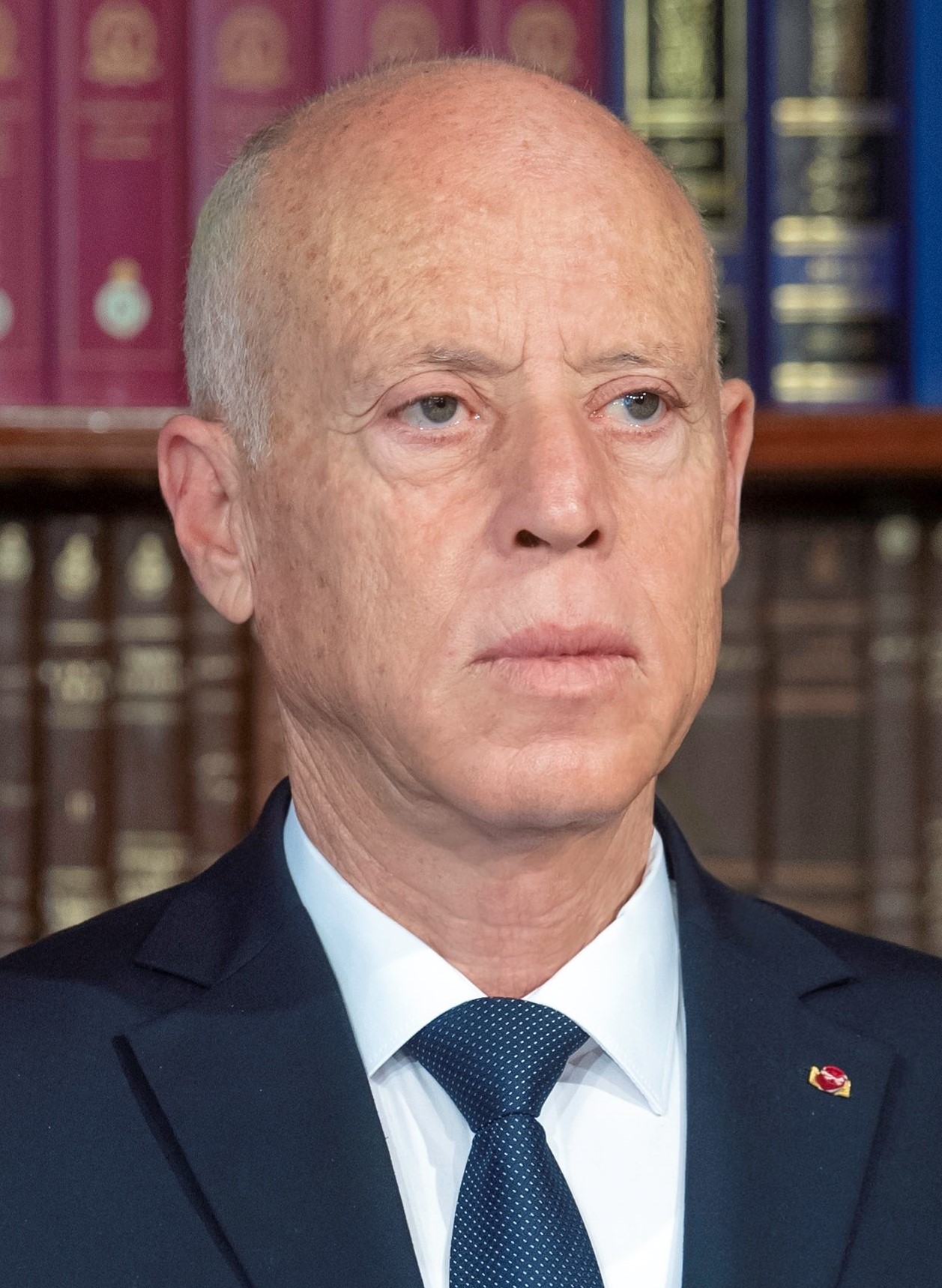




Academic and professional background
Saïed built his reputation in academia and legal circles as a specialist in constitutional matters. Often described as a jurist, he taught and published on constitutional interpretation, the separation of powers and the role of law in democratizing societies. His public persona emphasized legal expertise over party politics, and he maintained an image of personal austerity and independence from established political parties and business interests.
Presidential campaign and election
Campaigning as an independent, Saïed appealed to voters dissatisfied with corruption, economic stagnation and perceived political failure. He advocated for popular participation, local governance reforms and a strict application of the constitution. His appeal cut across conventional ideological lines, drawing support from both conservative and secular constituencies. He assumed the office of President in October 2019 with a mandate framed by calls for reform and national renewal.
Presidency, reforms and controversies
During his presidency, Saïed has taken steps that significantly altered Tunisia's political arrangements. In 2021 and afterward he used emergency powers and pursued constitutional revision to reconfigure executive-legislative relations. Supporters view these moves as measures to break political paralysis and tackle corruption; critics describe them as a concentration of power that weakens parliamentary checks and pluralism. In 2022 a revised constitutional text was adopted by referendum, changing the balance of authority between branches of government.
Political stance and legacy
Saïed is commonly associated with an emphasis on direct democracy mechanisms, legalism, national sovereignty and conservative social positions. His presidency is widely regarded as a turning point for Tunisian politics: he remains a polarizing figure whose decisions have prompted vigorous public debate about democratic institutions, accountability and the future course of the country. For more context on his legal writings and public statements, consult academic and news sources linked here: professor profile, Arabic name and references, and election coverage (2019 election, Tunisia).
Related articles
Author
AlegsaOnline.com Kaïs Saïed — Tunisian jurist, constitutional scholar and president Leandro Alegsa
URL: https://en.alegsaonline.com/art/123236
Sources
- webdo.tn : "Présidentielle 2019 : Biographie de Kais Saied, vainqueur du premier tour"
- middleeasteye.net : "Tunisia elections: 'Robocop' and 'Berlusconi' head to second round"
- washingtonpost.com : "In a blow to its political elites, a modest law professor is set to become Tunisia's next president"