
Kailash Satyarthi — Indian children's rights activist and Nobel laureate
Indian activist who founded Bachpan Bachao Andolan to combat child labour and promote education; co-recipient of the 2014 Nobel Peace Prize for defending children's rights.
Kailash Satyarthi (born 11 January 1954) is an Indian campaigner known for his long-term work to end child labour and expand access to education. He founded the Bachpan Bachao Andolan (Save the Childhood Movement) in 1980 and has led both national and international efforts to protect children from exploitation. He is widely recognized for his combination of direct rescue work, legal advocacy and public campaigning.
Image gallery
6 Images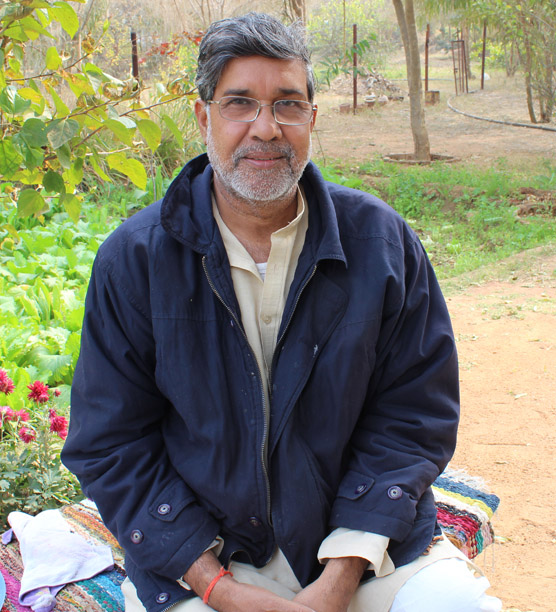




Overview of work and approach
Satyarthi's initiatives bring together rescue operations, rehabilitation services and policy advocacy. His movement has organized rescues and legal interventions to remove children from forced labour, paired freed children with rehabilitation and education programs, and sought changes in laws and enforcement. Beyond field operations, he has mobilized civil society and governments to adopt stronger standards against the worst forms of child labour.
Major campaigns and organizations
- Bachpan Bachao Andolan: founded in 1980 to locate and liberate children in exploitative work and to support their recovery and schooling.
- International advocacy: Satyarthi has been a visible leader in global campaigns that pressured institutions and states to act, contributing to wider recognition of child labour as a human-rights issue.
- Coalition building: he has worked with other activists, unions, NGOs and faith groups to coordinate large-scale actions and public awareness.
His efforts have been credited with helping to protect and rehabilitate a very large number of children; public reporting and award citations have referenced figures in the tens of thousands. His methods emphasize a mix of grassroots rescue, legal follow-up, community reintegration and school placement.
Recognition and legacy
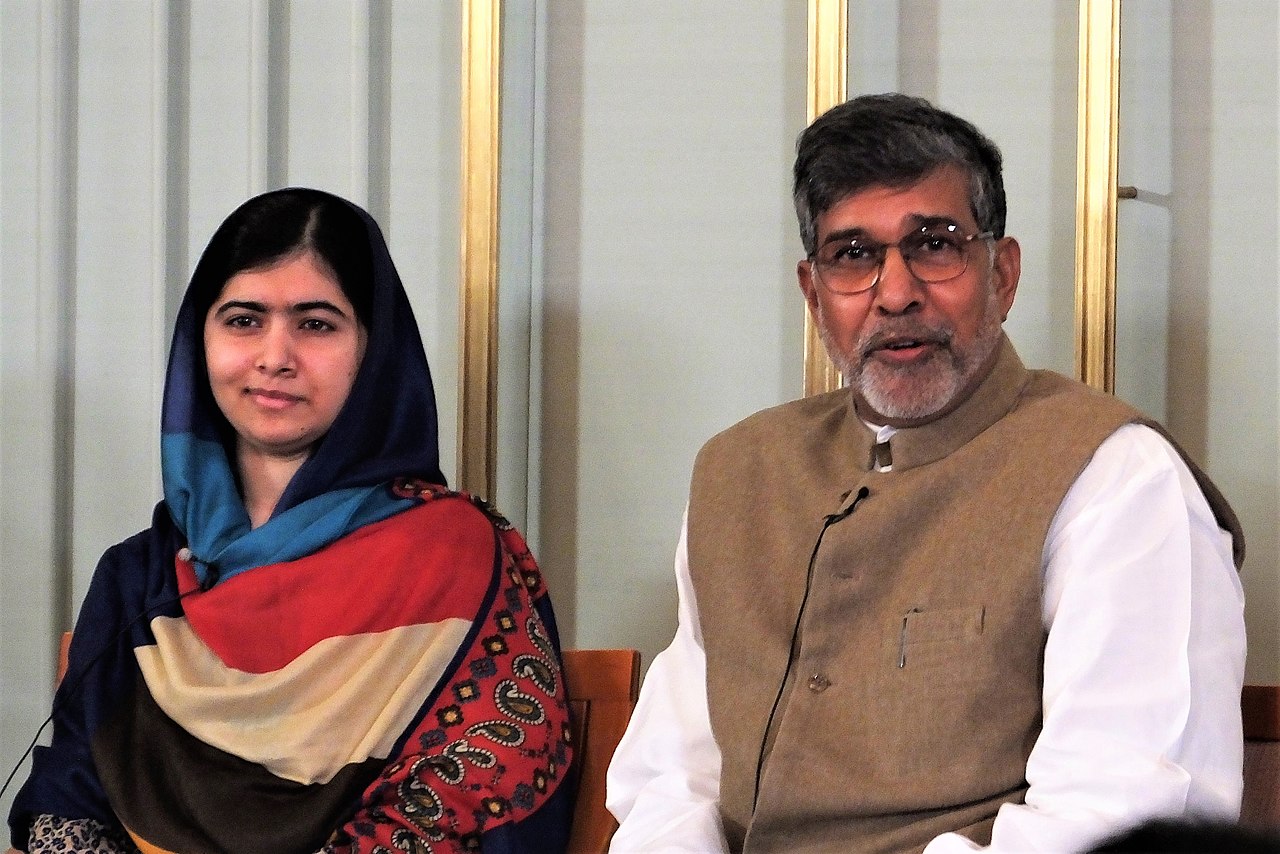
In 2014 Satyarthi shared the Nobel Peace Prize with Malala Yousafzai for their respective campaigns to defend the rights of children and young people to education and freedom from oppression. The prize highlighted both direct interventions to free children from exploitation and broader efforts to promote universal schooling and legal protections. His work has helped shape public discussion, inspired similar initiatives worldwide, and strengthened pressure for international labor and education standards.
Today Satyarthi remains active as an advocate, speaker and organizer. His career illustrates a multi-pronged model—rescue, rehabilitation, legal action and global advocacy—that continues to influence how governments and civil society confront child labour and promote education.
Questions and answers
Q: Who is Kailash Satyarthi?
A: Kailash Satyarthi is an Indian children's rights activist who founded the Bachpan Bachao Andolan.
Q: What is the Bachpan Bachao Andolan?
A: The Bachpan Bachao Andolan is a movement founded by Kailash Satyarthi to save the childhood of children.
Q: How many children's rights has Kailash Satyarthi acted to protect?
A: Kailash Satyarthi has acted to protect the rights of 80,000 children.
Q: What was Kailash Satyarthi awarded in 2014?
A: Kailash Satyarthi was awarded the 2014 Nobel Peace Prize.
Q: Who did Kailash Satyarthi share the Nobel Peace Prize with?
A: Kailash Satyarthi shared the Nobel Peace Prize with Malala Yousafzai.
Q: Why was Kailash Satyarthi awarded the Nobel Peace Prize?
A: Kailash Satyarthi was awarded the Nobel Peace Prize for his struggle against the suppression of children and young people and for the right of all children to education.
Q: When was Kailash Satyarthi born?
A: Kailash Satyarthi was born on January 11th, 1954.
Related articles
Author
AlegsaOnline.com Kailash Satyarthi — Indian children's rights activist and Nobel laureate Leandro Alegsa
URL: https://en.alegsaonline.com/art/123241
Sources
- thehindu.com : "Malala, Kailash Satyarthi win Nobel Peace Prize"
- timesofindia.indiatimes.com : "'Nobel peace prize 'an honour to children in slavery', Kailash Satyarthi says'"
- ↑
- hindustantimes.com : "Who is Kailash Satyarthi?"
- nobelprize.org : "The Nobel Peace Prize 2014"
- ijsbergmagazine.com : « Le prix Nobel de la paix attribué à Malala Yousafzai et Kailash Satyarthi »