
José Plácido Caamaño — Ecuadorian statesman and president (1883–1888)
Biography of José María Plácido Caamaño (1837–1901), president of Ecuador from 1883 to 1888, his reforms in education and infrastructure, career, assassination attempt, ambassadorship, and legacy.
Overview
José María Plácido Caamaño y Gómez-Cornejo (5 October 1837 – 31 December 1901) was an Ecuadorian politician who served as president of his country from 23 November 1883 until 1 July 1888. His administration is remembered for efforts to modernize public services, expand education, and develop communications and transport. He came from Guayaquil and combined a professional formation in law and theology with a political career that included municipal and customs service roles prior to the presidency. During his later life he represented Ecuador abroad and died in Seville, Spain where he had retired from public duties.
Image gallery
1 Image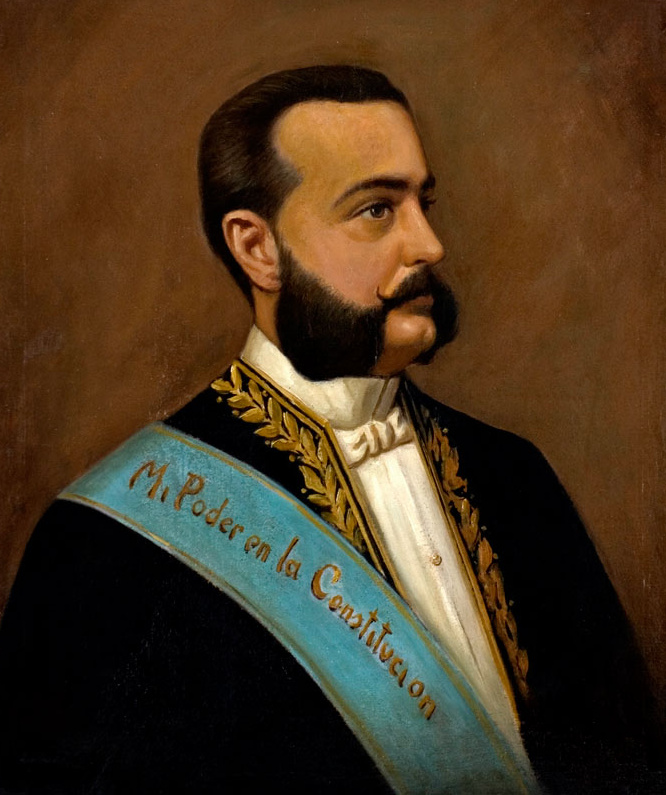
Early life and political rise
Caamaño was born in the port city of Guayaquil and received a formal education that included studies in law and theology at the local seminary and further schooling in Quito. He held municipal office as mayor of Guayaquil and was appointed chief of the customs service, positions that gave him administrative experience and visibility. Politically he was associated with the Progresistas, a faction often described as liberal Catholic — a group that pursued modernization while maintaining ties to the Catholic Church. These roles prepared him for national leadership amid a period of frequent change in Ecuadorian politics.
Presidency (1883–1888)
Assuming the presidency in late 1883, Caamaño governed during an era when many Latin American states prioritized infrastructure and institutional consolidation after decades of internal conflict. His administration promoted the expansion of telegraph lines and early railway initiatives to improve internal communications and trade. Investments were also directed toward education: his government supported the creation or strengthening of scientific institutes, secondary colleges, and numerous schools intended to widen access to formal learning across the country.
- Communications and transport: emphasis on telegraphs and railways to link regions.
- Education: establishment and support of institutes, colleges, and schools.
- Public administration: reforms and appointments to professionalize services like customs.
His term was not free of turbulence. In 1886 an attempt was made on his life; contemporary accounts relate that he survived a violent episode in which he narrowly escaped death. Such events reflected the volatile political climate of the time.
Later career and death
After leaving the presidency in 1888, Caamaño continued in diplomacy and public service. He served as Ecuador's representative to the United States from 1889 to 1890, a post that involved managing bilateral relations and protecting Ecuadorian interests abroad. In his final years he spent time in Europe and ultimately died on 31 December 1901 in Seville, Spain, reportedly from complications related to a heart ailment.
Legacy and significance
Historians and public memory typically credit Caamaño with a pragmatic approach to modernization: rather than radical ideological change, his administration pursued concrete projects in infrastructure and education that aimed to strengthen the state's capacity. He is often noted for balancing liberalizing impulses with respect for traditional institutions, reflecting the moderate stance of the Progresistas. The institutions and works begun or expanded during his presidency contributed to Ecuador's gradual integration of new communications and educational standards during the late 19th century.
For readers seeking further context on the office he held, see a general entry on the role of the President of Ecuador, which outlines the constitutional and historical responsibilities of the nation's head of state.
Related articles
Author
AlegsaOnline.com José Plácido Caamaño — Ecuadorian statesman and president (1883–1888) Leandro Alegsa
URL: https://en.alegsaonline.com/art/122878