
José Joaquín de Olmedo: Ecuadorian poet and statesman
José Joaquín de Olmedo (1780–1847) was an Ecuadorian poet, jurist and statesman who helped lead Guayaquil's 1820 independence, served in municipal and national offices, and is remembered for patriotic poetry.
Overview
José Joaquín de Olmedo y Maruri (March 20, 1780 – February 19, 1847) was a prominent Ecuadorian poet, jurist and political leader. Born in Guayaquil, in what is now Ecuador, he combined literary activity with public service during the period of Latin American independence. Olmedo is widely remembered for patriotic verse that contributed to the cultural expression of the new republics and for his participation in municipal and national government.
Image gallery
1 Image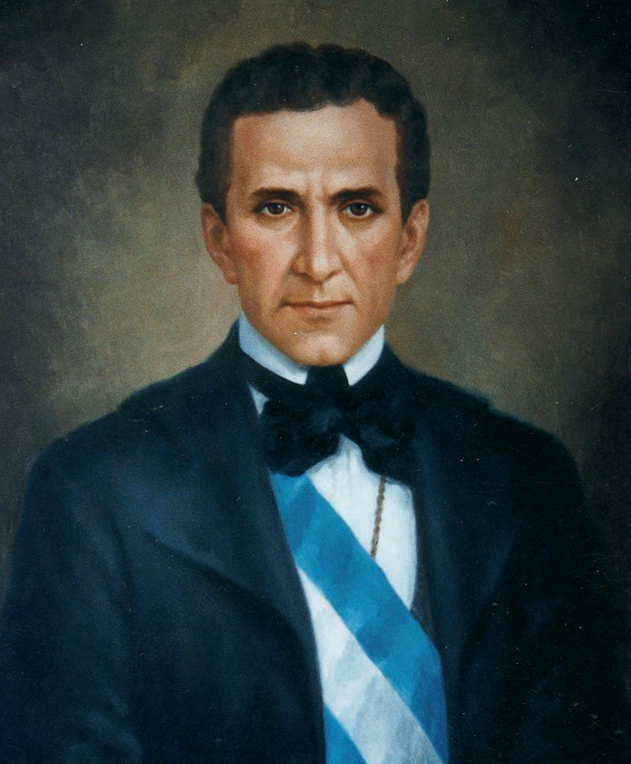
Early life and professional background
Olmedo came from a family of mixed Spanish and local roots and received training appropriate to a public career of his era; contemporary summaries describe him as trained in law and engaged in civic affairs. His education and reputation as a jurist and speaker helped establish his authority in Guayaquil's political life, where leading citizens often moved between cultural production and administrative responsibilities.
Role in independence and relations with Gran Colombia
On October 9, 1820 Olmedo played a key role in the movement that proclaimed the independence of Guayaquil from Spanish colonial rule. The proclamation of independence in October 1820 created a brief autonomous polity, the Free Province of Guayaquil, over which Olmedo presided. He resisted the prompt incorporation of the province into Gran Colombia, opposing the union advocated by Simón Bolívar and others, and he defended a vision of local autonomy even as regional realignments reshaped political boundaries.
Public offices and national service
Throughout his life Olmedo served in municipal and national offices. He was elected mayor of Guayaquil on more than one occasion and later occupied a national executive role as Vice President of Ecuador in the early years of the republic's existence. In 1845 he briefly assumed the provisional presidency of Ecuador and survived an attempted coup during his short administration, reflecting the unstable politics of the period.
Literary work and themes
Olmedo's poetry is best known for its patriotic odes and public verse that celebrate civic virtue and national identity. Writing in a style that blends classical influences with the emerging emotional register of early Romanticism, his poems were widely read in Ecuador and contributed to the symbolic language of independence. Schools and public commemorations in Ecuador have long preserved his poems as part of the national literary curriculum.
Death and legacy
Olmedo died on February 19, 1847, in his native Guayaquil, after an illness historically associated with epidemic fever (yellow fever in many accounts). He was sixty-six years old. His public memory endures through monuments, place names, and continued citation in histories of Ecuadorian literature and politics. As both a poet and a statesman he is often invoked as a figure who linked cultural expression to the project of nation building.
Key facts
- Birth: March 20, 1780, in Guayaquil, Ecuador.
- Independence: Participant in the proclamation of Guayaquil's independence on October 9, 1820.
- Provincial leadership: President of the Free Province of Guayaquil prior to its union with Gran Colombia under Simón Bolívar.
- National offices: Mayor of Guayaquil (multiple terms), Vice President of Ecuador (vice presidency), and provisional President in 1845.
- Death: February 19, 1847, in Guayaquil; historical accounts link his death to epidemic fever (yellow fever).
Olmedo's life illustrates the close ties between literary culture and political leadership in early 19th-century Spanish America. His poetry and public activity continue to be studied for what they reveal about civic ideals and the cultural foundations of Ecuadorian national identity.
Related articles
Author
AlegsaOnline.com José Joaquín de Olmedo: Ecuadorian poet and statesman Leandro Alegsa
URL: https://en.alegsaonline.com/art/122845