
Sir John Mills
Sir John Mills (1908–2005) was an English film and stage actor known for a long career in British cinema, an Academy Award, a knighthood, and a family of performers.
Overview
Sir John Mills (born Lewis Ernest Watts Mills; 22 February 1908 – 23 April 2005) was a prominent English actor whose career spanned more than seven decades. He became a familiar presence in British theatre and cinema, noted for his versatile portrayals of ordinary men in both dramatic and comic roles. In later life he received major honours, including an Academy Award for Best Supporting Actor and a knighthood.
Image gallery
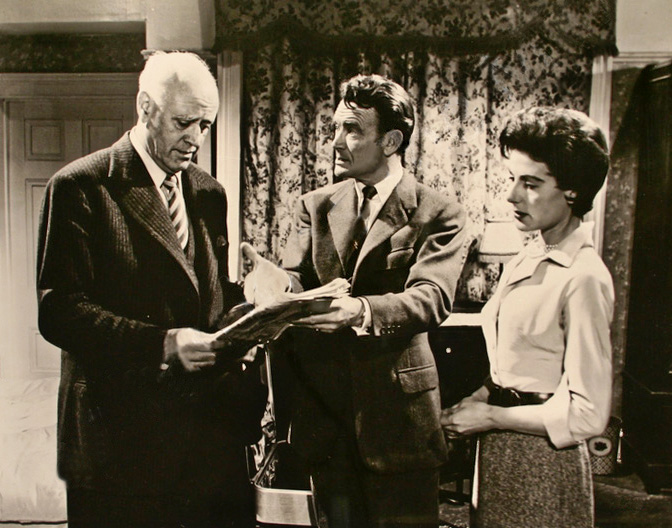
4 Images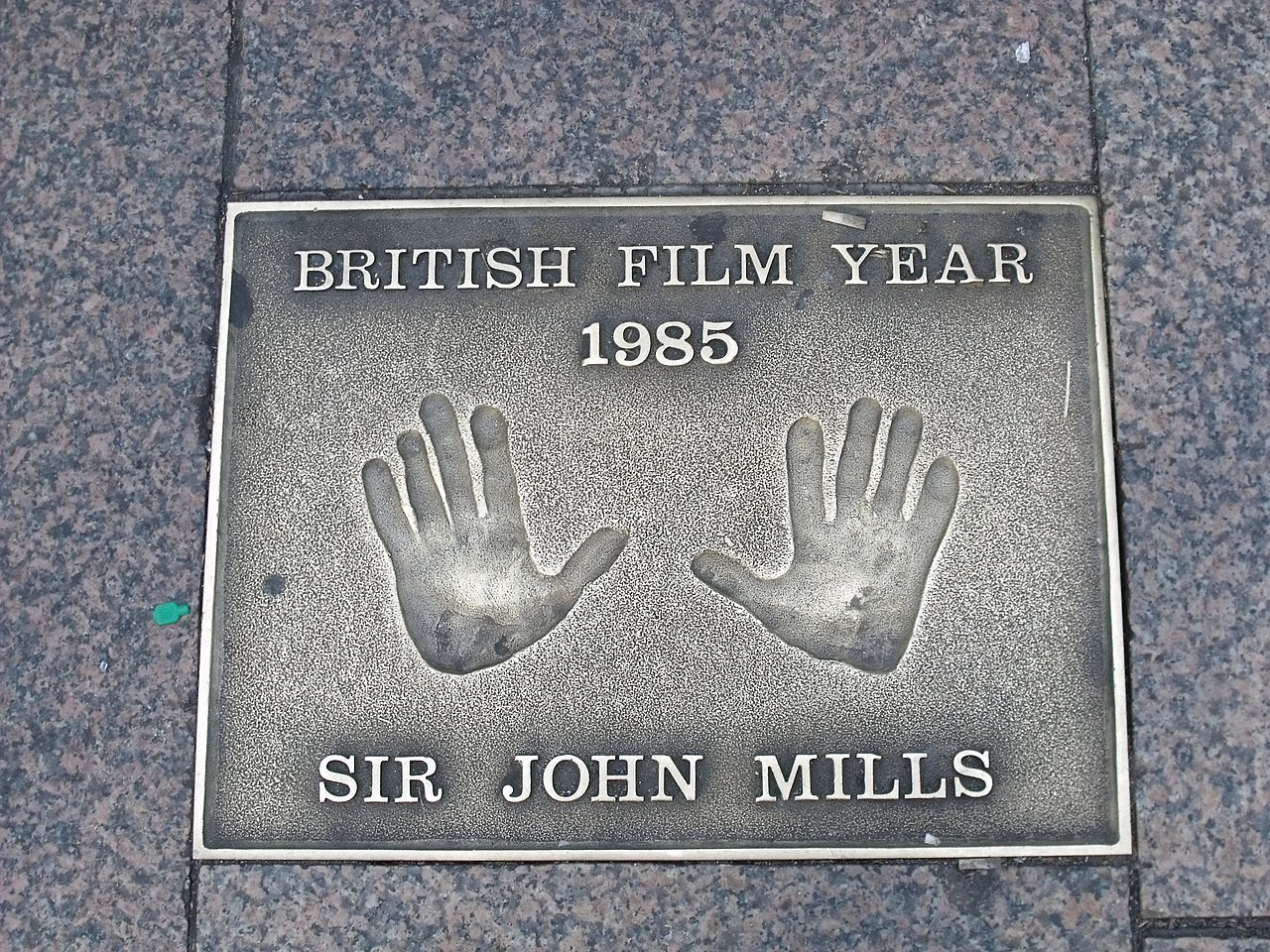


Early life and family
Mills was born in North Elmham, Norfolk. He adopted the stage name John Mills for his professional work. His elder sister, Annette Mills, was also a well-known entertainer and is associated with children’s broadcasting and puppet work. For more on his origins see his Norfolk birthplace and family connections in contemporary accounts.
Career and achievements
Across film, stage and television, Mills built a reputation for reliable, emotionally honest performances. He won wide recognition in Britain and abroad and was awarded the Academy Award for Best Supporting Actor late in his career for his role in David Lean’s film Ryan’s Daughter. In addition to screen work he maintained a steady presence on stage and in touring productions.
Personal life and honours
Mills’s personal life was closely linked to the theatrical world. He was married first to the actress Aileen Raymond from 1927 until their divorce in 1941. Later that year he married the playwright and actress Mary Hayley Bell; their union lasted until his death. The couple had three children: the actresses Juliet Mills and Hayley Mills, and a son, Jonathan Mills. For details of his marriages and family see contemporary records and biographies: first marriage, divorce, and the second marriage noted in family notices at the time. His daughters’ careers are also documented—Juliet and Hayley both achieved success in stage and film and have their own public profiles (Juliet Mills, Hayley Mills).
Recognition and later years
During his lifetime Mills received several official honours. He was appointed a Commander of the Order of the British Empire and was knighted in 1976, becoming Sir John Mills. He published an autobiography in 1980 that reflects on his life and work. Readers can consult his memoir for personal reminiscences and career anecdotes (his autobiography). Mills died in Denham, Buckinghamshire, and obituaries and memorials noted the breadth of his career and his contribution to British culture (Denham).
Notable facts and legacy
- Longevity: A career spanning theatre, film and television across most of the 20th century.
- Family of performers: Part of a theatrical family that included his sister and his children.
- Honours: Recipient of major industry awards and national recognition.
- Public memory: Remembered for humane, down-to-earth screen characters and steady professionalism.
For further reading and archival material consult film histories and dedicated biographical sources that document Mills’s stage appearances, screen credits and public honours. General overviews and specific studies of mid-20th-century British cinema place his work in the context of postwar film and theatre developments; contemporary databases and filmographies provide complete lists of his screen roles and awards (filmography, career summary).
Related articles
Author
AlegsaOnline.com Sir John Mills Leandro Alegsa
URL: https://en.alegsaonline.com/art/122589
Sources
- britannica.com : Encyclopaedia Britannica