
John Macleod: Scottish physiologist and Nobel laureate
John James Rickard Macleod (1876–1935), Scottish physiologist who played a leading laboratory and supervisory role in the research that led to the discovery of insulin, awarded the 1923 Nobel Prize.
John James Rickard Macleod (6 September 1876 – 16 March 1935) was a Scottish physiologist whose laboratory leadership and expertise in carbohydrate metabolism were integral to one of the twentieth century's major medical breakthroughs. He shared the 1923 Nobel Prize in Physiology or Medicine with Frederick Banting for work that led to the therapeutic use of insulin.
Image gallery
5 Images


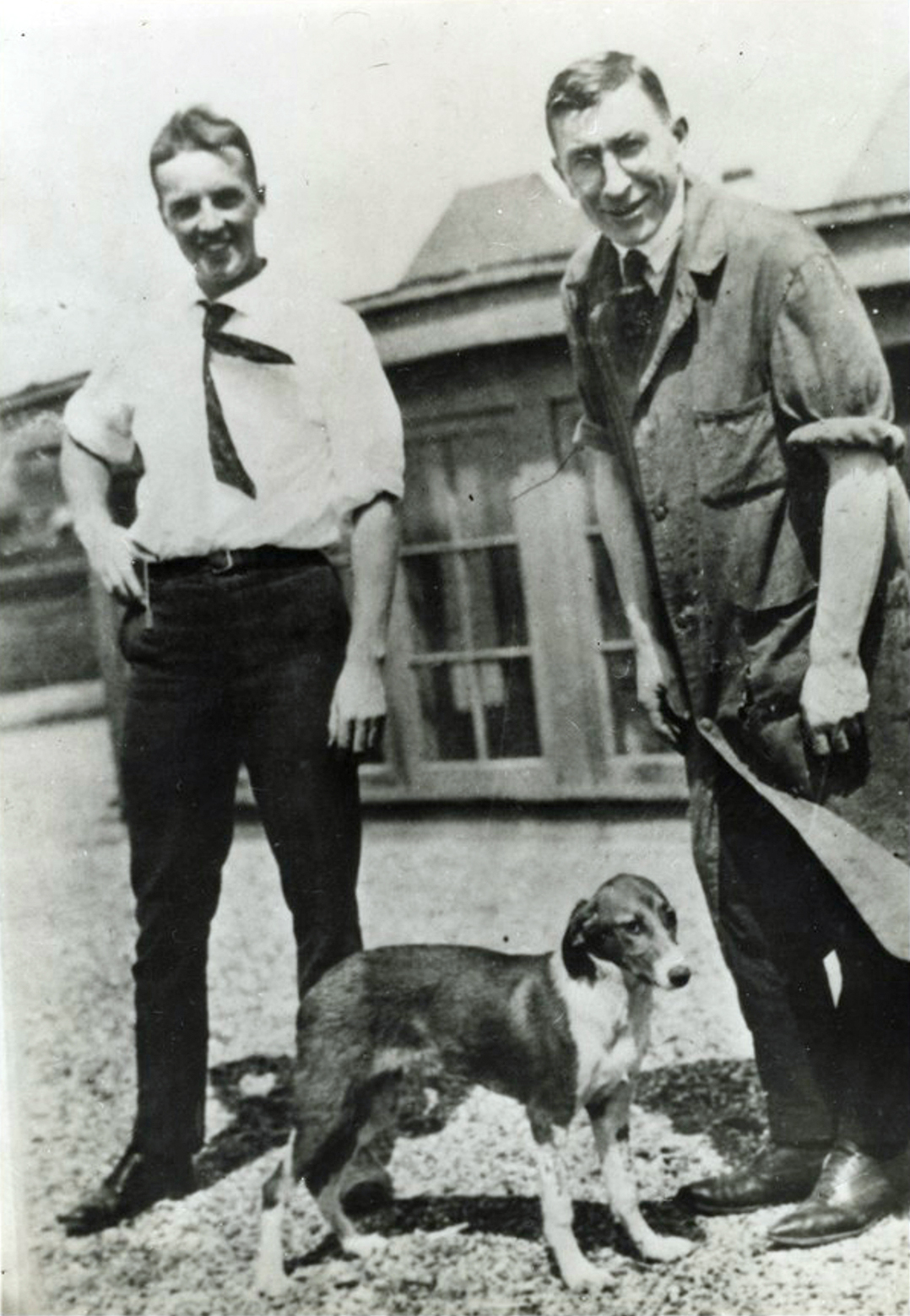

Education and scientific work
Macleod trained and worked in physiology and metabolism, developing skills in experimental design, laboratory management, and the physiology of sugars and the liver. During his academic career he combined teaching with active research, supervising students and junior investigators and providing the institutional resources needed for ambitious experimental projects.
Role in the discovery of insulin
When Banting and colleagues arrived with the idea that extracts of pancreatic tissue could treat diabetes, Macleod provided laboratory space, equipment, and critical methodological guidance. He helped establish experimental controls, advised on animal work and statistics, and arranged for biochemical expertise to improve extract purification. The collaborative work of clinicians and biochemists in his laboratory ultimately produced an extract capable of lowering blood glucose in diabetic animals and later in humans.
The Nobel Committee awarded the prize to Banting and Macleod; the recognition reflected both the isolation of a physiologically active pancreatic extract and the organizational and scientific leadership that made the experiments possible. Public accounts of the discovery also emphasize contributions from other team members who assisted with extraction and purification.
Legacy and notable facts
- Macleod's administrative and scientific stewardship was crucial to translating an idea into a reproducible therapy.
- The award prompted discussion about credit and collaboration in large laboratory teams.
- Insulin transformed diabetes from a fatal disease to a manageable chronic condition, making the discoveries from Macleod's lab globally important.
After the insulin work, Macleod continued to influence physiology through teaching, publications and departmental leadership. His career illustrates how experimental insight, institutional support and teamwork combine to produce medical advances.
Related articles
Author
AlegsaOnline.com John Macleod: Scottish physiologist and Nobel laureate Leandro Alegsa
URL: https://en.alegsaonline.com/art/122556
Sources
- nobelprize.org : "Biography of John Macleod"
- nobelprize.org : "The Nobel Prize in Physiology or Medicine 1923"