
John II of France (John the Good)
King of France from 1350 to 1364, a Valois monarch whose reign was dominated by the Hundred Years' War, defeat and capture at Poitiers, a costly ransom and internal unrest; succeeded by Charles V.
Overview
John II (French: Jean II, 26 April 1319 – 8 April 1364), commonly called John the Good (Jean le Bon), was a king from the House of Valois who ruled France from 1350 until his death. His reign fell in the middle of the Hundred Years' War and was marked by important military reverses, fiscal strain and political unrest.
Image gallery
10 Images


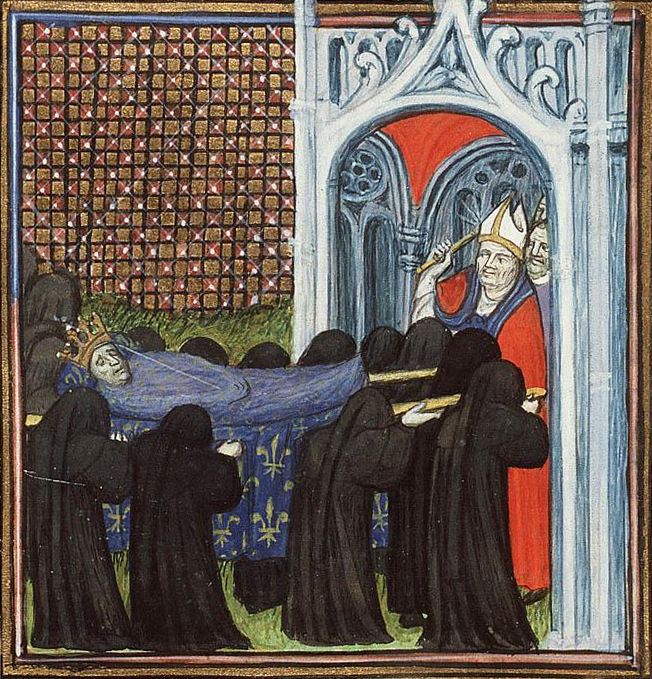
Early life and accession
Born into the Valois line as the son of King Philip VI, John came to the throne after his father's death. He inherited a kingdom already under pressure from prolonged conflict with England, rising military costs and the social and economic consequences of the mid‑14th century crises, including the Black Death and agricultural disruption.
Reign and the Hundred Years' War
John's reign was dominated by the struggle with England. In 1356 he suffered a crushing defeat at the Battle of Poitiers, where he was captured by the forces of Edward, the Black Prince. His captivity in England had immediate political and financial consequences for France: the crown agreed to heavy concessions and the kingdom was asked to raise a large ransom and provide hostages to guarantee payment.
Capture, ransom and return
The terms negotiated after Poitiers culminated in a treaty that temporarily altered territorial control and demanded substantial reparations. Because full payment proved difficult, prominent French nobles and royal family members were held as securities. In a well‑known act that enhanced his reputation for personal honour, John later returned to English custody when the conditions of the ransom were not met, and he died while still effectively a captive in England in 1364.
Domestic troubles and reform attempts
The combination of military defeat and financial burden intensified domestic tensions. Widespread taxation and the social dislocation of the period contributed to violent uprisings, most notably the Jacquerie peasant revolt and urban disturbances in Paris. Parliamentary and municipal leaders pushed for reform and greater fiscal oversight, forcing the crown into difficult negotiations over authority and revenue.
Legacy and assessment
John's nickname, "the Good," reflects contemporary respect for his personal courage and sense of honour, even as historians note the failures of his military policy and the strain his reign placed on royal finances. He was succeeded by his son, Charles V, who stabilised the kingdom and oversaw a period of recovery and administrative renewal. John II's reign is therefore remembered as a turning point that exposed the vulnerabilities of medieval monarchy while shaping the reforms that followed.
- Key events: accession (1350), defeat and capture at Poitiers (1356), treaty and ransom negotiations (late 1350s–1360s).
- Significance: highlighted the limits of royal power and the costs of prolonged war; set the stage for the recovery under his son.
- Notable trait: personal honour and willingness to accept responsibility for treaty obligations.
Related articles
Author
AlegsaOnline.com John II of France (John the Good) Leandro Alegsa
URL: https://en.alegsaonline.com/art/122508