
John Curtin: Australian Prime Minister and Wartime Leader (1885–1945)
Leader of the Australian Labor Party and Prime Minister from 1941 to 1945 who guided the nation through much of World War II, reoriented defence policy and expanded government wartime powers.
Overview
John Joseph Curtin (8 January 1885 – 5 July 1945) was an Australian political leader who served as Prime Minister from 1941 until his death in 1945. A member of the Australian Labor Party, Curtin led the country during the critical middle years of the Second World War and is widely remembered for his wartime leadership and for reshaping Australia's international relationships.
Image gallery
10 Images


Early life and career
Curtin was born into an Irish Catholic family and received his early education at parish schools, including St Ambrose's. He worked as a journalist and trade unionist before entering federal politics. His background in labour organising and communications shaped his approach to policy and leadership.
Political rise and prime ministership
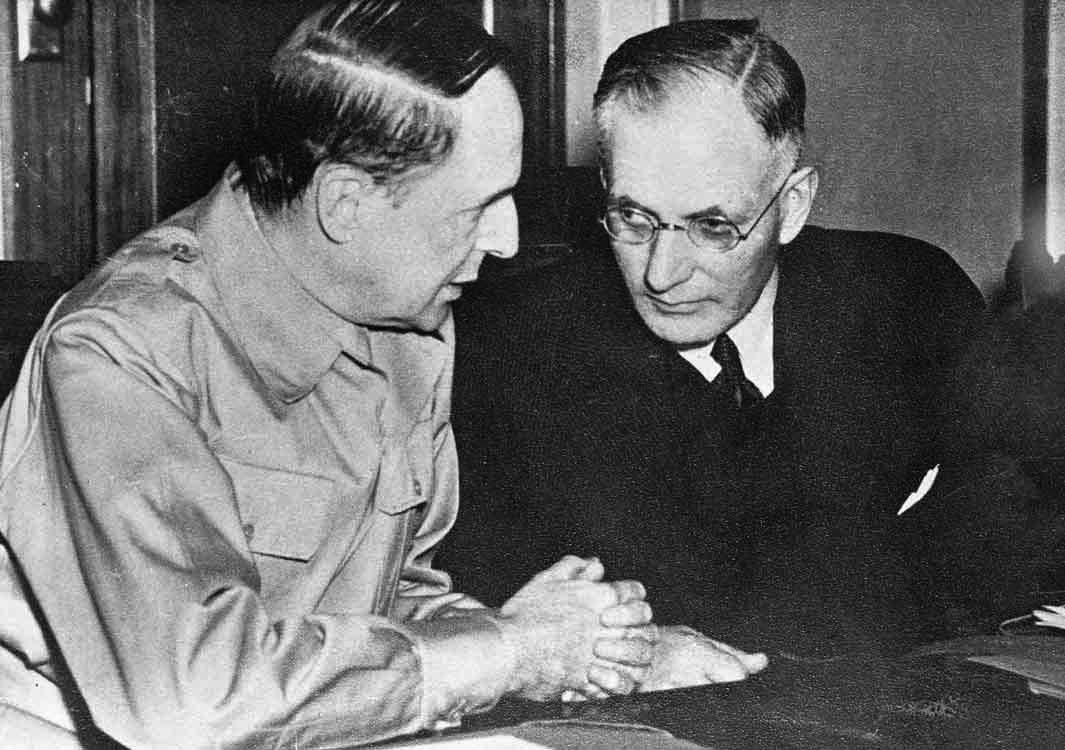
Curtin entered the House of Representatives in the late 1920s and became leader of the Labor Party in the 1930s. He assumed the office of prime minister in 1941 and presided over a government focused on national defence, industrial mobilization and social stability during a period of global conflict. Curtin is noted for reorienting Australia’s strategic emphasis toward the United States and for greater coordination with Allied commanders.
Wartime measures and domestic policy
Under Curtin, the federal government expanded its role to manage wartime production, manpower and civil defence. His administration introduced measures intended to protect the home front, support servicemembers and plan for postwar reconstruction. These steps strengthened central government capacity and influenced postwar policy debates.
Legacy and notable facts
- Curtin died in office in July 1945; his health had deteriorated under wartime strain.
- He is remembered as a defining Australian wartime leader and for broadening international ties, notably with the United States and other Allies.
- His life and work remain subjects of historical study and public commemoration across Australia.
Related articles
Author
AlegsaOnline.com John Curtin: Australian Prime Minister and Wartime Leader (1885–1945) Leandro Alegsa
URL: https://en.alegsaonline.com/art/122406